The Naruto franchise has always been about passing knowledge from one generation to the next. Older fans discovered Naruto Uzumaki through manga volumes, television broadcasts, video games and late-night anime marathons. Now, a new generation can meet the characters through something much simpler: an illustrated alphabet book.
Naruto: The Ninja ABCs! is the latest release connected to the franchise, and it may be one of the most approachable ways for parents to introduce young children to the world of the Hidden Leaf Village. Instead of asking preschool readers to follow ninja battles, complicated rivalries or the darker parts of Naruto’s story, the book uses familiar characters and basic letters to create a playful first step into the series.
Published through the Little Golden Book line, the book is designed for early readers rather than longtime anime viewers. That distinction matters. Naruto contains themes involving war, loss, revenge and sacrifice, but Naruto: The Ninja ABCs! focuses on friendship, community, learning and recognizable characters.
For parents who grew up watching the original Naruto anime, this creates an easy opportunity to share the franchise with their children without immediately starting a 700-plus-episode viewing commitment.
What Is Naruto: The Ninja ABCs!?
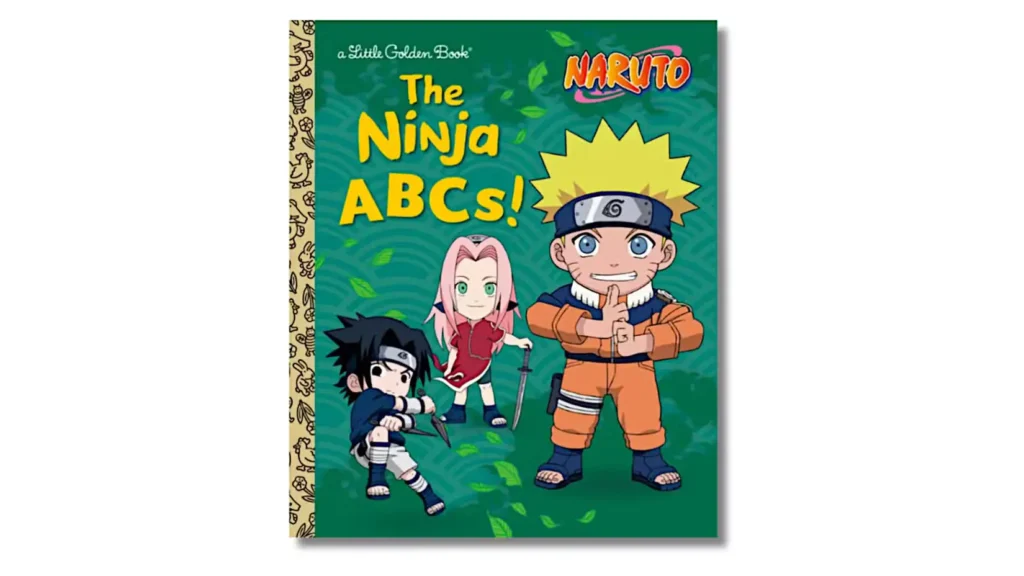
Naruto: The Ninja ABCs! is a children’s alphabet book featuring characters and imagery from the Naruto universe. Written by Chanler Harris and illustrated in a chibi-inspired style, the book uses the familiar format of a Little Golden Book to present Naruto-related words and characters in a way that younger readers can understand.
The book follows the basic alphabet structure, using individual letters to introduce ninja-themed ideas and recognizable faces from the franchise. It is not a retelling of Naruto’s original story, nor is it intended to replace the manga or anime. Instead, it works as an early introduction to the world, its characters and its central themes.
That makes it especially useful for families who want to introduce Naruto characters before explaining the more complicated history of the series. A child may first recognize Naruto, Sakura, Sasuke or Kakashi through the book, then encounter those characters again years later when they are ready for the anime.
The format also gives parents room to add their own explanations. A page about friendship can lead to a conversation about Team 7. A ninja-themed word can become an introduction to the Hidden Leaf Village. Even a simple illustration can help children understand that Naruto is part of a much larger fictional world.
Why This Naruto Book Works Better for New-Gen Fans
The strongest feature of Naruto: The Ninja ABCs! is that it does not attempt to make the original series suitable for preschool audiences. Instead, it creates a separate entry point that respects the age of its readers.
That is a smarter approach than reducing the main story into a simplified version of its most violent or emotional moments. Young children do not need to understand the history of the Uchiha clan, the politics of the shinobi world or the full meaning of Naruto’s struggle to become Hokage. They can begin with the basic ideas that made the franchise popular in the first place.
Friendship is one of the clearest examples. Naruto’s story is built around bonds between characters, and the alphabet book uses that same foundation in a softer form. Children can learn about helping others, staying connected to friends and being part of a community without needing to understand every conflict in the anime.
The book also introduces the visual language of the franchise. The headbands, ninja outfits, village symbols and character designs are all recognizable to existing fans. For a child encountering Naruto for the first time, those details can make the experience feel like a game or storybook rather than a lesson in anime history.
The Book Features Familiar Naruto Characters
The main Naruto characters appear alongside other members of the wider ninja world, giving the book enough variety to feel connected to the franchise rather than simply placing Naruto’s face on a generic alphabet story.
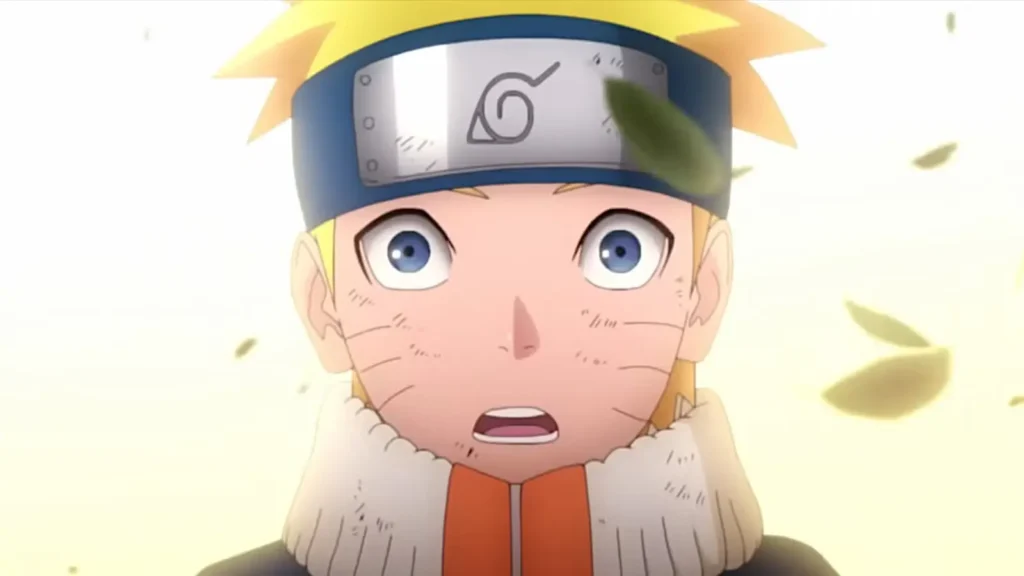
Naruto Uzumaki is the obvious central figure. His bright personality, determination and instantly recognizable orange outfit make him a natural character for a children’s book. He is also a useful introduction to one of the franchise’s most important messages: people are not defined only by how others see them.
Other members of Team 7 help broaden the experience. Sakura Haruno, Sasuke Uchiha and Kakashi Hatake are among the characters that longtime fans will expect to see, while younger readers can simply enjoy their different designs and personalities.
The book also includes other Konoha shinobi and supporting characters. That wider selection gives parents the chance to explain that Naruto’s world contains more than one team or village. Even brief appearances can encourage children to ask questions about the characters they recognize and the ones they have not seen before.
There are also playful details that older fans may appreciate. The book is clearly designed for children, but it still carries the personality of the original franchise. Small character choices and familiar faces give longtime readers something to notice while reading it aloud.
Naruto: The Ninja ABCs! Keeps the Franchise Family-Friendly
The original Naruto manga and Naruto anime become increasingly serious as the story progresses. The early episodes contain comedy and adventure, but the larger narrative eventually deals with grief, violence, political conflict and the consequences of war.
That makes a children’s book like Naruto: The Ninja ABCs! valuable for a different reason. It allows families to enjoy the characters without rushing younger readers toward material they may not be ready to understand.
The book emphasizes simple ideas such as learning, friendship, healthy habits and community. Those themes are compatible with Naruto’s broader message, but they are presented without the emotional intensity found in the main series.
This is also why the book should not be treated as a replacement for the anime. It is a first introduction, not a complete explanation of the franchise. Parents can use it as a starting point, then decide when their children are ready for the original Naruto anime, selected episodes or age-appropriate manga volumes.
For families already interested in anime, this kind of release can make the transition feel natural. A child may begin with the alphabet book, move to character toys or picture books, and eventually discover the larger story when they are old enough to follow it.
The New Release Arrives During an Important Year for Naruto
The timing of Naruto: The Ninja ABCs! is particularly interesting because the franchise continues to receive attention across several different formats.
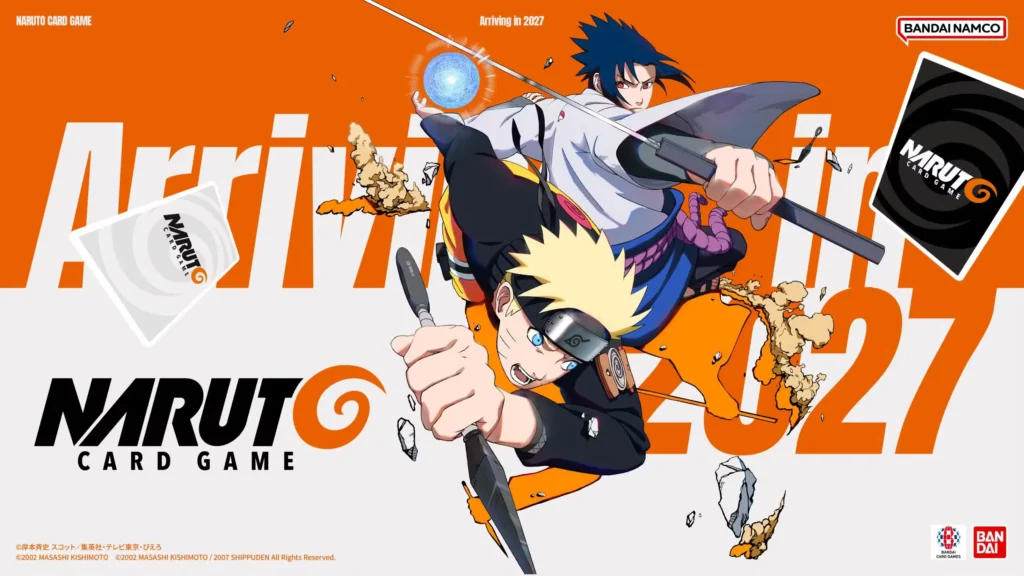
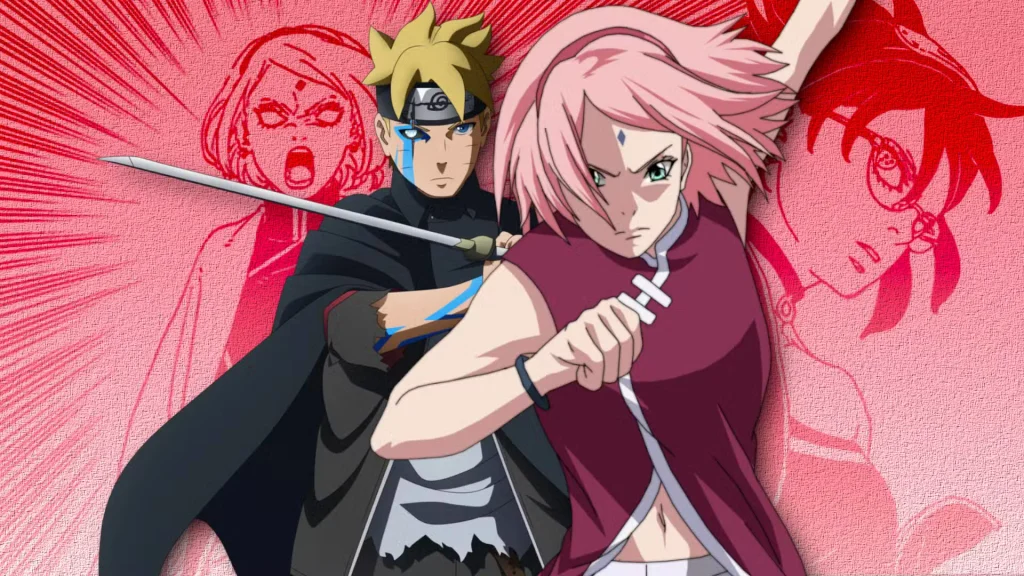
The original Naruto story remains one of the most influential modern shonen series, while Boruto: Two Blue Vortex continues the next generation’s story through manga releases. The franchise is also connected to games, collectibles, trading cards, anniversary promotions and new adaptations.
That means new fans are not entering a dormant property. They are discovering a series that still has an active fanbase and a growing amount of material to explore.
For older viewers, the arrival of a children’s book may seem small compared with a major anime announcement or a new manga chapter. However, products like this help explain how a franchise survives across generations. A series remains relevant not only because of new episodes, but also because new audiences continue finding their way into its world.
The same pattern can be seen across other major anime franchises. Dragon Ball, One Piece and Pokémon have all created ways for younger audiences to engage with their characters before they are ready for the most demanding parts of the main story.
Naruto is now doing the same through a format that is familiar to parents who may not yet be ready to introduce their children to the full anime.
Naruto’s New Generation Has More Than One Way to Discover the Franchise
The phrase Naruto new generation usually refers to Boruto and the characters who follow Naruto’s era. But there is another meaning that fits this release: children who are discovering Naruto for the first time.
Those two groups are very different. Readers of Boruto: Two Blue Vortex are already familiar with the original series and its history. A preschool reader opening Naruto: The Ninja ABCs! may not even know who Naruto is yet.
That difference is important because the franchise now has several entry points. Older fans can return to the original manga, follow Boruto’s ongoing story or revisit classic anime arcs. Newer fans can start with character books, games, toys or carefully selected episodes.
A good franchise does not require every fan to begin in exactly the same place. Some readers may discover Naruto through the original manga, while others may first meet the characters through a parent’s collection, a video game or a children’s book.
The new release gives families another option, and it may be one of the least intimidating ones available.
Could Naruto: The Ninja ABCs! Encourage Kids to Watch the Anime Later?
It is too early to know how many children will move from the book to the anime, but the possibility is easy to understand. Familiarity is often what makes a large franchise feel accessible.
A child who already knows Naruto’s face, Sakura’s name or the idea of a ninja village may be more interested in seeing those characters in motion later. The book can create recognition before the child encounters the longer story.
That is especially useful with a franchise as large as Naruto. New viewers may be unsure where to begin because the anime includes the original series, Naruto Shippuden, filler episodes, films and the newer Boruto era. A picture book removes that pressure. It lets children enjoy the characters without needing to understand the watch order.
When they are ready, parents can introduce the original Naruto series in a way that suits their age and attention span. They may start with a few episodes, explain the characters as they appear or read selected manga chapters together.
The important part is that the book does not force the next step. It simply makes the world familiar.
Naruto’s Lasting Appeal Comes Down to Its Characters
The success of a children’s release depends heavily on whether the characters remain appealing outside their original format. Naruto has an advantage here because its cast is visually distinctive and emotionally easy to recognize.
Naruto is energetic and determined. Sakura is intelligent and capable. Sasuke is serious and reserved. Kakashi is calm, mysterious and often funny. Even characters with limited page time can be identified through their hairstyles, clothing and personalities.
That clarity makes the franchise suitable for different kinds of merchandise and storytelling. A character can appear in an action scene, a video game, a collectible figure or an alphabet book without losing the qualities that make them recognizable.
The book also reinforces an important part of Naruto’s identity: the idea that a person’s connections matter. The franchise has always placed enormous importance on friendship, teamwork and the bonds between people. Presenting those ideas to young readers keeps the heart of the series intact while leaving its heavier themes for later.
How Parents Can Use the Book as a Naruto Introduction
Parents who are already Naruto fans can turn Naruto: The Ninja ABCs! into a small storytelling activity rather than simply reading the words on each page.
When a familiar character appears, parents can explain who they are in simple terms. Naruto can be introduced as a young ninja who wants to become a leader. Sakura can be described as a member of his team. Kakashi can be presented as their teacher.
There is no need to explain every major plot point. In fact, keeping the details simple may make the eventual anime experience more enjoyable. Children can discover the larger story gradually instead of hearing spoilers before they are ready.
The book can also become a way to introduce broader ideas about Japanese animation, manga and storytelling. Families who are new to anime can use it as a comfortable first step before exploring other age-appropriate series.
For older children, the book may work differently. They may enjoy spotting characters, comparing the illustrations with the anime designs or helping younger siblings learn the alphabet. That gives the release value beyond its intended preschool audience.
The Best Part of Naruto’s New Release Is Its Sense of Timing
The most appealing thing about Naruto: The Ninja ABCs! is not that it adds another product to the franchise. It is that the release understands what a new audience actually needs.
A young child does not need a complete Naruto timeline, a guide to every jutsu or an explanation of the Fourth Great Ninja War. They need a friendly first encounter with characters who can become familiar over time.
The book provides exactly that. It introduces the visual identity of Naruto, highlights the franchise’s themes of friendship and community, and gives parents a simple way to share something they loved growing up.
Meanwhile, longtime fans still have plenty of reasons to remain interested in the wider franchise. The Naruto manga, Boruto: Two Blue Vortex, new merchandise and future adaptation news continue to keep the series in public conversation.
That combination makes the book feel less like a standalone novelty and more like part of Naruto’s ongoing life across generations.
Final Verdict: A Small Release With a Big Role in Naruto’s Future
Naruto: The Ninja ABCs! is not designed to replace the original anime or manga, and it does not need to. Its purpose is much simpler: introduce young readers to a world that has already meant a great deal to millions of fans.
By using the Little Golden Book format, familiar characters and easy themes, the release gives parents a gentle way to begin sharing Naruto with their children. It also shows why the franchise continues to matter beyond its original audience.
For longtime fans, the book is a charming piece of Naruto merchandise and a reminder of how far the series has traveled. For new readers, it can be the first step toward discovering Naruto Uzumaki, Team 7 and the Hidden Leaf Village.
That is what makes Naruto’s newest release such a fitting introduction for new-generation fans. It starts small, keeps the tone welcoming and leaves the larger adventure waiting for later.
FAQ
1. What is Naruto: The Ninja ABCs!?
Naruto: The Ninja ABCs! is a children’s alphabet book based on the Naruto franchise. It introduces young readers to Naruto characters, ninja-themed words, friendship and community through a simple illustrated format.
2. Is Naruto: The Ninja ABCs! suitable for preschool children?
Yes. The book is designed as a gentle introduction for young readers and avoids the darker themes and complicated storylines found in the main Naruto anime and manga.
3. Does Naruto: The Ninja ABCs! retell the Naruto anime?
No. It is not a full retelling of Naruto’s story. The book uses the alphabet to introduce characters and concepts from the franchise.
4. Who wrote Naruto: The Ninja ABCs!?
The book was written by Chanler Harris and released through the Little Golden Book line.
5. Should children read the book before watching Naruto?
The book can be a useful first introduction, especially for younger children. Parents can decide when their child is ready to watch the original anime based on age, attention span and comfort with its more serious themes.
6. Is Naruto: The Ninja ABCs! connected to Boruto?
The book is primarily focused on the Naruto universe and its familiar characters. It is better understood as an introduction to the wider franchise rather than a direct continuation of the Boruto story.
Stay updated with the latest trends on Fandomora — your go-to destination for breaking movie news, web series updates, anime releases, gaming trends, celebrity insights, and music updates. Explore reviews, OTT release dates, anime guides, gaming walkthroughs, and curated lists to discover the best in global entertainment.
About The Author