Look Back Movie Review: A Faithful Adaptation That Finds Its Own Voice
Turning a beloved manga into live action is always a tricky proposition. Animation can transform a drawing into almost anything, while live action has to find real locations, real faces and physical performances that can carry the same emotional weight. Hirokazu Kore-eda’s Look Back takes that challenge seriously.
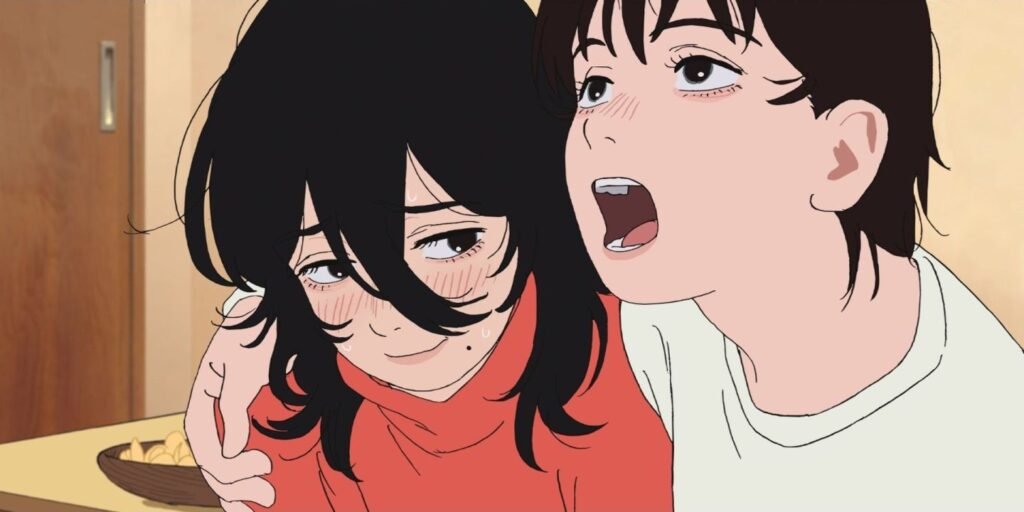
Based on Tatsuki Fujimoto’s acclaimed one-shot manga, the Look Back live-action movie follows two very different girls whose shared passion for drawing manga gradually turns into a friendship and creative partnership. Fujino is outgoing, confident and already celebrated by her classmates for her four-panel comics. Kyomoto, meanwhile, is an extremely talented but intensely withdrawn girl who rarely leaves her home.
Their relationship begins with competition. Fujino believes she is the better artist until she discovers just how technically gifted Kyomoto is. What starts as jealousy eventually becomes admiration, and that admiration develops into one of the most meaningful creative friendships either girl could have imagined.
Kore-eda does not radically reinvent the story. Instead, the Look Back live-action adaptation carefully studies what made the original manga and Kiyotaka Oshiyama’s anime film so effective, then finds new emotional details through performances, locations, cinematography and time.
The result is a quiet film that can be devastating when it needs to be, but never feels interested in manipulating its audience into tears.
What Is Look Back About?
At its core, Look Back is a story about two young artists discovering why they create.
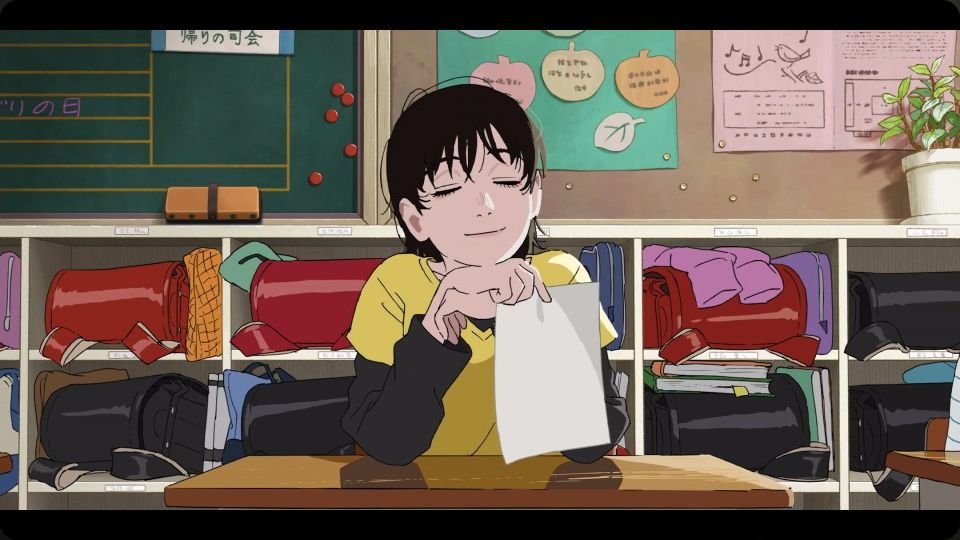
Fujino has the confidence that comes from receiving praise. She contributes manga strips to her school newspaper and enjoys knowing that her classmates appreciate her work. Kyomoto enters her world almost by accident when her own manga begins appearing alongside Fujino’s.
The difference between their artistic styles immediately creates a rivalry. Fujino’s work is energetic and funny, while Kyomoto’s drawings reveal an extraordinary level of patience and technical detail.
Instead of allowing that rivalry to destroy their relationship, the two girls eventually discover that they are stronger when they create together.
Their partnership becomes the center of their teenage years. They spend countless hours drawing, talking and imagining where their work might eventually take them. For Fujino and Kyomoto, manga is not simply a hobby. It becomes a way to communicate, understand themselves and connect with another person.
That makes the film’s later tragedy considerably more painful.
Furi Nanase and Aju Makita Bring Fujino and Kyomoto to Life
One of the biggest questions surrounding the Look Back cast was whether live-action performances could capture the personalities established by Fujimoto’s manga and Oshiyama’s anime.
The answer is largely yes.
Furi Nanase plays the younger version of Fujino with an infectious confidence. Fujino is not simply talented; she knows she is talented. That self-belief makes her early jealousy toward Kyomoto understandable rather than cruel.
Aju Makita brings a completely different energy to Kyomoto. Her performance is quieter and more inward, reflecting a character who has spent much of her life separated from the outside world.
As the characters grow older, Natsuki Deguchi and Aju Makita take over the roles, creating one of the film’s smoothest transitions. The change in actors does not feel disruptive. Instead, it reinforces how much time has passed and how the girls have changed through their years of creating together.
The performances are particularly effective because the movie does not constantly explain what Fujino and Kyomoto are feeling. Their friendship is communicated through looks, body language, shared routines and the simple act of sitting beside one another while they work.
The Friendship Between Fujino and Kyomoto Is the Heart of the Film
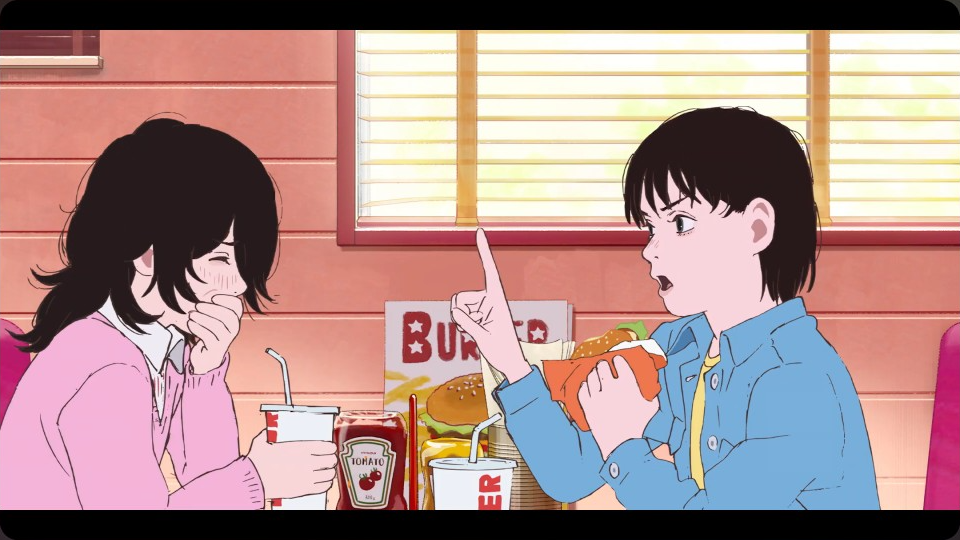
The emotional strength of Look Back comes from the fact that Fujino and Kyomoto do not initially seem like obvious friends.
Fujino is outgoing and socially confident. Kyomoto is isolated and uncomfortable outside her home. Their artistic abilities are also different, giving them a natural competitive tension.
Yet that difference becomes the foundation of their relationship.
Fujino eventually realizes that Kyomoto admires her work. That discovery changes the way she sees her rival. Instead of simply trying to prove that she is the better artist, Fujino begins to understand what she can learn from Kyomoto.
Their partnership becomes joyful. The girls spend long nights working on manga, sharing ideas and developing their individual artistic identities.
There is something particularly effective about how the film depicts this creative process. It does not treat artistic achievement as something that happens instantly. The characters work for it. Their hands hurt. They become exhausted. They disagree. They keep drawing.
The film understands that creativity is often built from thousands of ordinary moments that only become meaningful when viewed together.
Look Back’s Manga and Anime Roots Are Always Visible
Fans of the original Tatsuki Fujimoto manga and Kiyotaka Oshiyama’s anime adaptation will recognize many familiar visual ideas in Kore-eda’s film.
That faithfulness is one of the movie’s greatest strengths, but it also creates one of its biggest challenges.
The anime version could use movement, composition and the language of animation to transition between reality and imagination with extraordinary speed. Live action cannot operate in exactly the same way.
Kore-eda therefore chooses a slower rhythm. Rather than attempting to imitate every visual trick from the anime, he allows scenes to breathe.
This works particularly well during the quieter sections of the film. Fujino and Kyomoto drawing together becomes less about watching an animated creation process and more about experiencing the passage of time.
The result is a film that feels deliberately unhurried even though its story covers years of the characters’ lives.
The Japanese Landscape Becomes Part of the Story
One of the most striking aspects of the Look Back movie is its visual treatment of the Japanese countryside.
The story is set in Nikaho, a location far removed from the central Tokyo manga industry. Rather than portraying the setting as an obstacle to success, the film turns the surrounding landscape into an important part of Fujino and Kyomoto’s world.
The changing seasons give the movie a natural sense of time. Green fields, winter snow, changing skies and quiet streets constantly remind viewers that the girls are growing older.
The cinematography gives these locations a dreamlike quality without turning them into fantasy landscapes. The world remains recognizably real, but there is a warmth to the images that reflects how the characters remember their shared childhood.
That balance is important because Look Back is ultimately a film about memory. The locations feel beautiful because the characters have filled them with meaning.
The Film Understands the Cost of Creating Something
One of the most interesting themes running through Look Back is the relationship between time and creativity.
Creating manga takes enormous amounts of time. Reading a finished manga can take minutes, but producing those pages can require days, months or years.
Fujino and Kyomoto gradually learn that difference through experience.
Their shared work represents countless hours that nobody outside their small creative world may ever see. The finished pages are only the visible result of an enormous amount of invisible effort.
Kore-eda uses the live-action format to emphasize this idea. The longer runtime allows the audience to sit with the repetitive aspects of creativity instead of simply jumping from one major achievement to the next.
There is beauty in watching the girls work, but there is also exhaustion. Their passion can be physically painful, and the film understands that loving an art form does not mean every part of the process is enjoyable.
Look Back Becomes Much Darker in Its Final Act
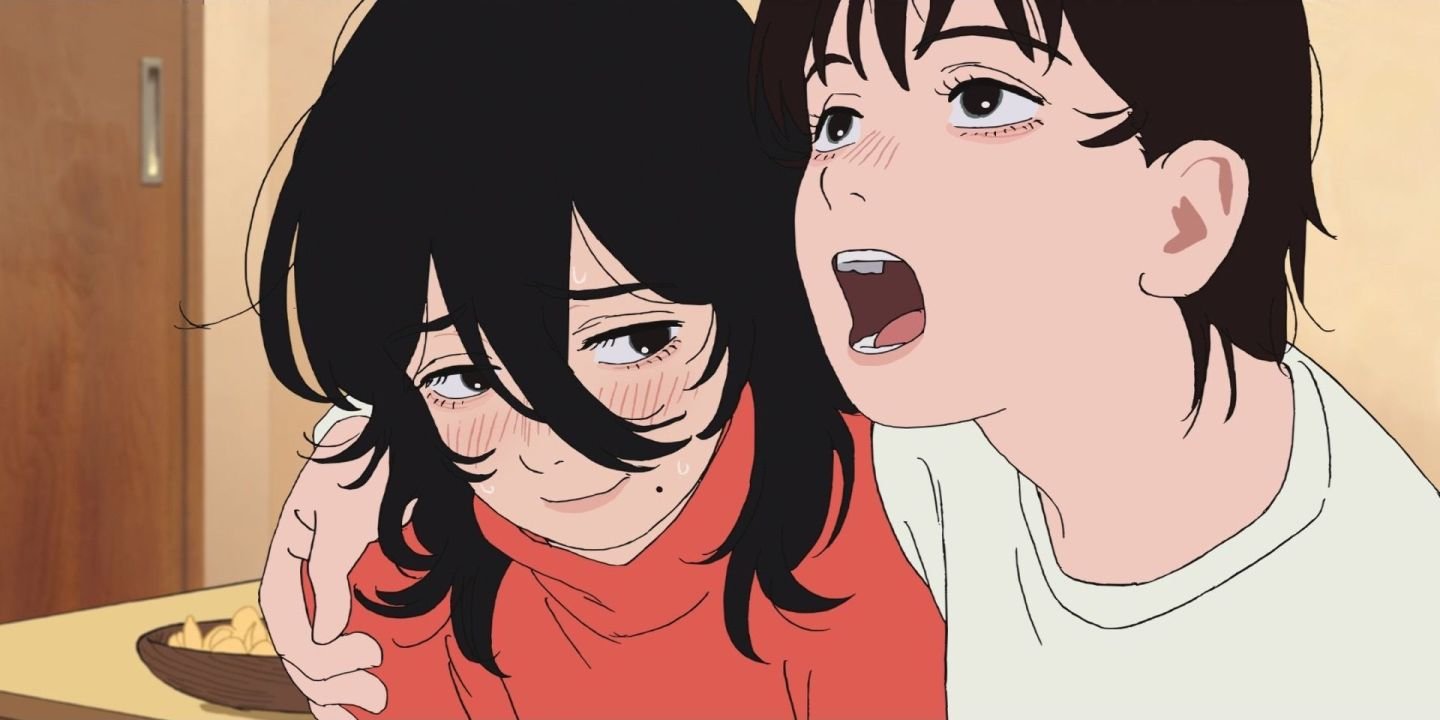
The first half of Look Back is filled with warmth, youthful ambition and the excitement of finding someone who understands your passion.
That makes the film’s later tragedy even more difficult to process.
Without revealing the major details for viewers who have not experienced the story, the narrative eventually takes a devastating turn that changes how Fujino sees her relationship with Kyomoto and the purpose of her own work.
Kore-eda handles this shift with restraint. He does not transform the film into a conventional tear-jerker. Instead, the emotional impact comes from the contrast between what the characters had and what suddenly becomes impossible.
The earlier scenes of drawing, friendship and ordinary teenage life take on a different meaning.
Moments that once seemed small become precious because the audience now understands how quickly time can disappear.
The Live-Action Version Changes the Emotional Experience
The Look Back anime vs live action comparison is unavoidable because Kiyotaka Oshiyama’s anime adaptation already became widely praised for its ability to tell the story with remarkable economy.
Kore-eda’s version is considerably longer, but the additional runtime does not fundamentally change the story. Instead, it changes how the audience experiences it.
The anime moves with greater urgency. The live-action movie is more patient, allowing the characters and locations to occupy the screen for longer.
That difference makes the tragedy feel less like a sudden emotional shock and more like something the audience gradually understands through the weight of memory.
The live-action film also gains something animation cannot provide in quite the same way: the subtle physical details of actors inhabiting the characters. A glance, a nervous movement or a pause between two lines can reveal something that dialogue never states directly.
That is where Kore-eda’s adaptation finds its own identity.
Yuta Bandoh’s Score Gives the Film a Gentle Emotional Pulse
Music plays an important role in maintaining the film’s tone.
Yuta Bandoh’s score is restrained rather than overwhelming. It supports the emotional scenes without constantly telling the audience exactly what to feel.
That approach suits Kore-eda’s filmmaking style. The movie is most powerful when it allows emotion to emerge naturally from the characters rather than forcing a reaction through dramatic editing or an oversized soundtrack.
The result is a score that feels intertwined with the characters’ memories rather than placed on top of them.
Is Look Back Worth Watching?
Yes, particularly for viewers interested in manga adaptations, Japanese cinema, anime and character-driven coming-of-age stories.
The film is not a replacement for either Fujimoto’s manga or Oshiyama’s anime. Instead, it provides another interpretation of the same material.
Its biggest strength is its understanding that the story is not simply about tragedy. It is about why people create things even when they know those creations cannot last forever.
Fujino and Kyomoto’s relationship gives the film its emotional core, but their manga also represents something larger: proof that time spent creating with another person can have value even if the finished work never becomes famous.
That idea gives the film a surprisingly hopeful quality beneath its sadness.
Final Verdict: Look Back Is More Than a Manga Adaptation
Hirokazu Kore-eda’s Look Back is a thoughtful and visually beautiful live-action adaptation that respects Tatsuki Fujimoto’s original work without simply attempting to reproduce it frame for frame.
The film’s greatest achievement is its treatment of time. Years pass through changing seasons, growing characters and increasingly ambitious manga projects, yet the emotional connection between Fujino and Kyomoto remains at the center.
Furi Nanase, Aju Makita, Natsuki Deguchi and the rest of the cast give the characters a grounded humanity that complements the manga and anime versions.
The movie may move more slowly than the anime, but that patience becomes part of its identity. Kore-eda uses the additional time to explore the quiet moments between major events, making the eventual tragedy feel even more personal.
Look Back ultimately argues that creating something is worthwhile because of the people and memories attached to the process, not simply because of what the finished work achieves.
It is bittersweet, beautiful and quietly devastating — but it is also a celebration of making art while you still have the chance.
Fandomora Review Score: 9/10
FAQ
1. What is the Look Back movie about?
Look Back follows Fujino and Kyomoto, two young girls who develop a friendship through their shared passion for creating manga. Their creative partnership changes both of their lives.
2. Is Look Back a live-action movie?
Yes. Hirokazu Kore-eda directed the live-action adaptation of Tatsuki Fujimoto’s manga Look Back. It follows Kiyotaka Oshiyama’s earlier anime adaptation while offering a different visual and emotional interpretation.
3. Who directed the Look Back live-action movie?
The live-action Look Back movie was directed by acclaimed Japanese filmmaker Hirokazu Kore-eda, known for character-driven dramas including Shoplifters and Nobody Knows.
4. Who plays Fujino and Kyomoto in Look Back?
The cast includes Furi Nanase and Natsuki Deguchi as Fujino at different ages, while Aju Makita portrays Kyomoto across the story alongside the film’s younger and older character performances.
5. Is Look Back based on a manga?
Yes. The movie is based on Tatsuki Fujimoto’s one-shot manga Look Back, which was later adapted into the acclaimed anime film directed by Kiyotaka Oshiyama.
6. Should I watch the Look Back anime before the live-action movie?
You do not need to watch the anime first. The live-action film tells the same core story, although viewers familiar with the anime or manga may appreciate the differences in pacing, visual style and emotional emphasis.
7. Is Look Back a sad movie?
Look Back contains a deeply tragic turn, but it is not simply a sad story. Its themes also include friendship, creativity, ambition, memory and finding a reason to continue creating after loss.
Stay updated with the latest trends on Fandomora — your go-to destination for breaking movie news, web series updates, anime releases, gaming trends, celebrity insights, and music updates. Explore reviews, OTT release dates, anime guides, gaming walkthroughs, and curated lists to discover the best in global entertainment.
About The Author