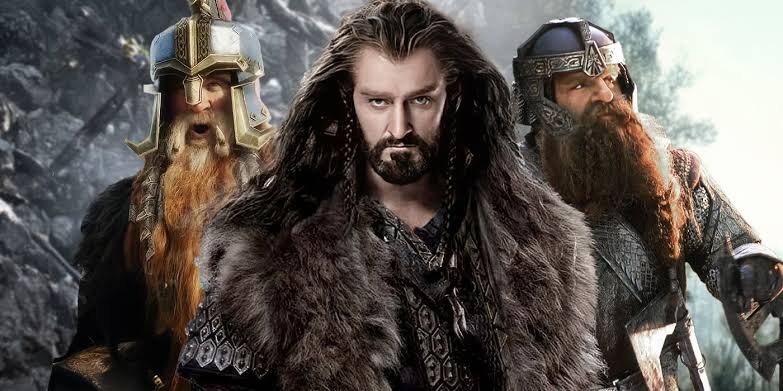
In Peter Jackson’s epic film trilogy The Lord of the Rings, the Fellowship of the Ring brings together representatives of several Free Peoples: Men, Elves, a Wizard, a Hobbit or four, and one steadfast Dwarf named Gimli. Yet as the story unfolds across vast battlefields from Helm’s Deep to the Pelennor Fields, one question echoes among fans: where were all the other Dwarves?
Elrond’s pointed remark in Rivendell captures the common perception—”The Dwarves? They hide in their mountains seeking riches. They care nothing for the troubles of others.” It sounds dismissive, even prejudiced. But as with much in J.R.R. Tolkien’s richly layered world, there’s far more beneath the surface. The Dwarves weren’t sitting out the greatest conflict of the Third Age. They were locked in one of its most grueling, underreported battles, holding the line in the North against overwhelming odds.
This article dives deep into Tolkien’s appendices, The Silmarillion, and scattered references across his letters and unfinished tales to uncover the Dwarves’ critical, often overlooked contribution. Their story isn’t one of grand alliances marching south but of stubborn resilience in mountain halls, buying precious time for Frodo’s quest through sheer endurance and unyielding defense.
Ancient Origins: From Aulë’s Hammer to the Halls of Stone
To understand the Dwarves’ role—or apparent lack thereof—in The Lord of the Rings, we must journey back to their creation. Unlike Elves and Men, the Children of Ilúvatar, the Dwarves were crafted in secret by the Vala Aulë, the smith of the gods, who longed for pupils to teach his crafts. He fashioned the Seven Fathers of the Dwarves from stone in the darkness of Middle-earth.
Eru Ilúvatar, the supreme creator, discovered this act and rebuked Aulë but ultimately adopted the Dwarves as his own, granting them independent life and souls. He placed them in slumber until after the Elves awoke. This unique origin story explains much of Dwarven character: their love of stone and metal, their resilience, their sometimes insular nature, and the ancient tension with Elves, who saw them as interlopers.
The Dwarves awoke in scattered locations. Durin the Deathless, the most renowned, founded the line of Longbeards (Durin’s Folk) in Khazad-dûm—later known as Moria—beneath the Misty Mountains. Other clans established realms in the Blue Mountains (Ered Luin), the Iron Hills, and distant eastern lands. Their language, Khuzdul, was kept secret, and their culture emphasized craftsmanship, kinship, and defense of their mountain homes.
This deep connection to the earth made them formidable defenders but also tied them to specific territories, limiting their ability to project power far afield like the more mobile Elves or the kingdoms of Men.
Dwarven Realms and Clans: Strongholds That Shaped History
By the late Third Age, many once-glorious Dwarven kingdoms lay in ruin or decline. Khazad-dûm had fallen to the Balrog centuries earlier, a cataclysm explored hauntingly in The Fellowship of the Ring. The Grey Mountains suffered dragon attacks. Yet two key strongholds remained vital: the Iron Hills and, crucially, Erebor—the Lonely Mountain.
Erebor had been reclaimed in The Hobbit through the efforts of Thorin Oakenshield and his company, with aid from Bard the Bowman and the Wood-elves. The death of Smaug the Dragon and the subsequent Battle of the Five Armies secured the mountain for Durin’s Folk under King Dáin II Ironfoot. This victory wasn’t just about treasure; it positioned Erebor as a strategic bulwark in the North against threats from the East and Mordor.
The Dwarves’ population was never vast—longevity came at the cost of lower birth rates—and losses from previous wars (like the War of the Dwarves and Orcs) had thinned their ranks. This demographic reality made every warrior precious, explaining their reluctance to send large forces south.
From Smaug to Sauron: The Road to the War of the Ring
Gandalf’s decision to aid Thorin’s quest in The Hobbit was no mere adventure. The wizard foresaw the growing shadow of Sauron. A Dragon-controlled Erebor could have become a devastating ally for the Dark Lord or a base for further chaos in the North. By slaying Smaug and restoring Dwarven rule, the Free Peoples gained a vital defensive anchor.
As the War of the Ring loomed, Sauron sought to divide his enemies. While his main forces struck Gondor in the South, he unleashed allies from the East—vast hordes of Easterlings from Rhûn—against the North. These warriors, descendants of those who had served Morgoth in ancient days, formed one of Sauron’s largest armies.
The Forgotten Front: The Battle of Dale and Siege of Erebor
On March 14-17, 3019 of the Third Age—coinciding precisely with the Battle of the Pelennor Fields far to the South—the Easterlings attacked Dale and Erebor. King Brand of Dale and King Dáin Ironfoot led the defense. The fighting was brutal, lasting three days in the open valley before the forces of Men and Dwarves were driven back to the gates of the Lonely Mountain.
Both kings fell in battle: Brand and the venerable Dáin II, who died before the gates he had helped secure decades earlier. Their sons, Bard II and Thorin III Stonehelm, assumed command. The survivors retreated inside Erebor, sealing the gates. The mountain’s formidable defenses—engineered over generations—proved nearly impregnable. The Easterlings laid siege but could not breach the stronghold.
This siege tied down tens of thousands of enemy troops for the duration of the War of the Ring. Had these forces marched south to reinforce Mordor, the outcome at the Black Gate or Pelennor might have been far grimmer. The Dwarves and Men of Dale, through their unyielding stand, played a pivotal indirect role in Frodo’s success. News of Sauron’s defeat eventually reached the besiegers, shattering their morale. On March 27, the defenders sallied forth and routed the Easterlings.
Tolkien’s appendices reveal these events succinctly, but they underscore a key theme: the War of the Ring was fought on multiple fronts, not just the ones followed by the Fellowship.
Gimli: The Lone Dwarf in the Fellowship and His Enduring Legacy
Gimli son of Glóin represented Durin’s Folk at the Council of Elrond. His presence symbolized hope for renewed alliances, especially after his father Glóin’s report on Sauron’s overtures to Erebor (which were rebuffed). Gimli’s arc—from gruff skepticism toward Elves to deep friendship with Legolas—embodies reconciliation between ancient foes.
His feats are legendary: fighting at Helm’s Deep, the Paths of the Dead, and the Battle of the Pelennor Fields. Galadriel’s gift of three strands of her hair, which he carried and treasured, highlighted his unique respect for the Elves. After the war, Gimli founded a colony in the Glittering Caves of Aglarond (near Helm’s Deep) and became Lord of the Glittering Caves. He helped rebuild Minas Tirith and forged lasting peace between Dwarves and Men.
In a profound twist, Gimli sailed West with Legolas in the Fourth Age (around FO 120), becoming the only Dwarf ever to reach the Undying Lands. This “unique exception” likely stemmed from his friendship, service to the Free Peoples, and Galadriel’s influence. It marked the culmination of Dwarven-Elven reconciliation.
Aftermath and the Fourth Age: Twilight of a Proud Race
In the years following Sauron’s fall, the Dwarves prospered for a time. Thorin III ruled Erebor wisely, and relations with the Reunited Kingdom under King Elessar (Aragorn) flourished. Gimli’s colony in the Glittering Caves became renowned for its beauty and craftsmanship. Durin VII later led efforts to reclaim Moria.
Yet, like the Elves, the Dwarves’ time in Middle-earth waned. Their numbers dwindled as the world changed, and they faded into legend as the dominion of Men grew. Tolkien’s world is one of inevitable change; even the stoutest mountain folk could not endure forever in the changing Age of Men.
Why Tolkien Kept the Dwarves Off the Main Stage
Tolkien structured his tale around the perspectives of Hobbits—relatable everymen—while weaving in broader events via appendices and hints. Focusing on the Dwarves’ northern theater would have diluted the central quest’s intimacy. Their story also reinforces themes of duty in one’s own sphere: defending home is as noble as marching to distant wars. The insular nature of Dwarven society, their demographic constraints, and strategic necessity all justified their “absence” from the Fellowship’s southern campaigns.
This narrative choice enriches the world-building, inviting readers to explore the appendices for the full tapestry.
Internal Linking Suggestions: Link to articles on “The Battle of the Five Armies Explained,” “Gimli and Legolas Friendship,” “History of Moria,” “Sauron’s Easterling Allies,” and “Fourth Age Middle-earth.”
External Authority Suggestions: Link to Tolkien Gateway, The One Wiki to Rule Them All, or scholarly sites discussing Unfinished Tales and appendices for deeper primary-source credibility. Cite The Lord of the Rings appendices, The Silmarillion, and The Peoples of Middle-earth for EEAT.
FAQ
1. Where were the Dwarves during the Battle of the Pelennor Fields?
They were defending Erebor and Dale against a massive Easterling invasion, preventing those forces from reinforcing Mordor.
2. Did any Dwarves fight alongside Aragorn?
Primarily Gimli. Other Dwarves were committed to the Northern defense, though some may have aided in rebuilding efforts later.
3. What happened to Erebor after the War of the Ring?
It thrived under Thorin III Stonehelm, maintaining alliances with the Reunited Kingdom.
4. Why didn’t more Dwarves join the Fellowship?
Limited numbers, ongoing threats to their homelands, and the need to protect strategic northern positions.
5. Did Gimli really go to Valinor?
According to Tolkien’s appendices, yes—he sailed West with Legolas, a singular honor for a Dwarf.
6. How many Dwarves fought in the Battle of Dale?
Exact numbers aren’t given, but combined with Men of Dale, they faced a much larger Easterling force and held out heroically despite heavy losses.
The Dwarves of Middle-earth exemplify quiet heroism. While the eyes of the world followed the Ring-bearer, these sons of stone stood firm in their halls, ensuring that when the beacons of Gondor burned, the North did not fall. Their legacy endures in the rebuilt kingdoms, the enduring friendship of Gimli and Legolas, and the songs still whispered in mountain deeps. In Tolkien’s universe, no ally is truly absent—some simply fight where they are most needed.
Stay updated with the latest trends on Fandomora — your go-to destination for breaking movie news, web series updates, anime releases, gaming trends, celebrity insights, and music updates. Explore reviews, OTT release dates, anime guides, gaming walkthroughs, and curated lists to discover the best in global entertainment.
About The Author