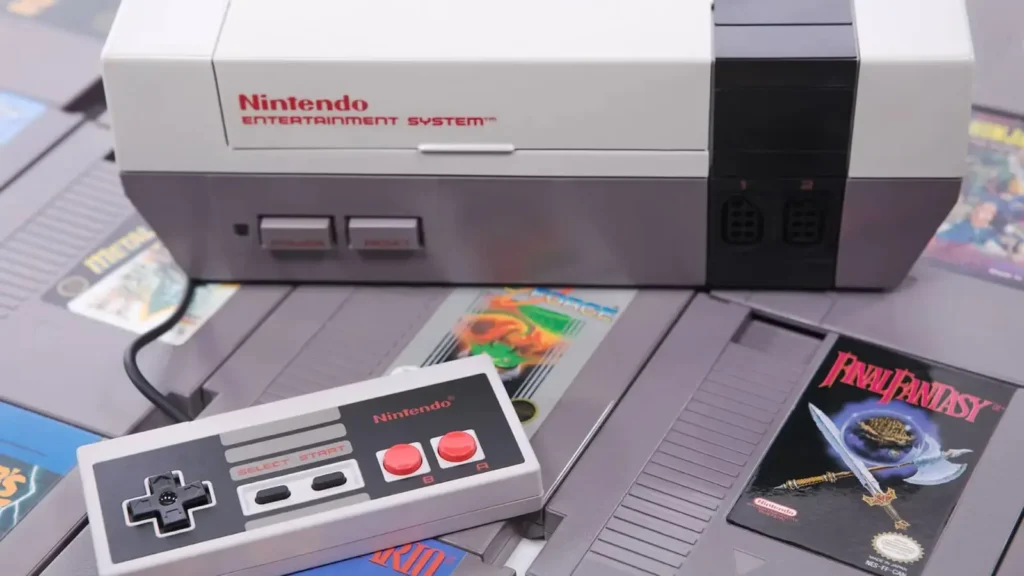
The Nintendo Entertainment System helped define home gaming for an entire generation. It introduced players to unforgettable worlds, established some of Nintendo’s biggest franchises and turned simple living-room sessions into lifelong memories. Games such as Super Mario Bros., The Legend of Zelda and Metroid remain easy to recommend decades later.
But nostalgia can be generous.
Some classic NES games were exciting because of the time they were released, the movies or franchises they were connected to, or the limited alternatives available to players. Revisiting them today can reveal design problems that were easy to overlook in the 1980s and early 1990s.
That does not erase their importance. A game can be historically significant and still be frustrating to play now. The following three NES games are good examples of titles that once felt special but have become much harder to defend with modern standards.
Ghostbusters Is More Frustrating Than Fun on the NES
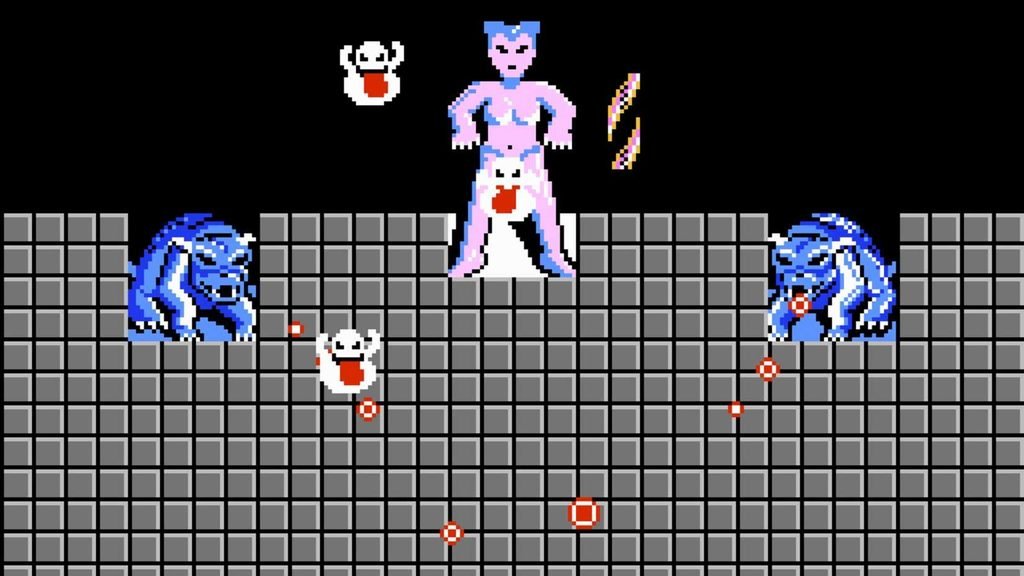
The Ghostbusters NES game seemed like an obvious success on paper. The movie was a huge cultural hit, the characters were instantly recognizable and the idea of driving the Ecto-1, catching ghosts and confronting Gozer sounded perfect for a home console.
The problem is that the game rarely captures the fun of the film.
Instead of delivering a fast-moving supernatural adventure, the NES version turns much of the experience into slow preparation and repetitive tasks. Players have to manage resources, deal with awkward movement and repeat sections when the timer runs out. The game often feels like a collection of chores placed between the moments that are supposed to be exciting.
The Ecto-1 is one of the clearest examples. Running out of fuel can interrupt progress and make the experience feel less like a ghost-hunting adventure and more like a resource-management exercise. That may have added a sense of strategy at the time, but it becomes irritating when the game already moves at such a slow pace.
The Final Stages Make Ghostbusters Feel Like a Punishment
The trip toward the final confrontation with Gozer should be the highlight of the Ghostbusters NES game. Instead, the staircase sequence is remembered for its awkward design and exhausting repetition.
Climbing the stairs is slow, the controls are not especially responsive and the game can force players to repeat the same process after a failed attempt. The tension comes less from the ghosts and more from the fear of losing progress.
This is where the gap between movie nostalgia and actual game quality becomes obvious. The film is energetic, funny and full of personality. The NES game often feels stiff and mechanical, with very little of the movie’s charm making it into the gameplay.
It remains an interesting piece of retro gaming history because of the license and the era in which it was released. However, players returning to it today may find that remembering the Ghostbusters brand is more enjoyable than playing the game itself.
Dragon Quest Was Important, but the Original NES Version Feels Dated
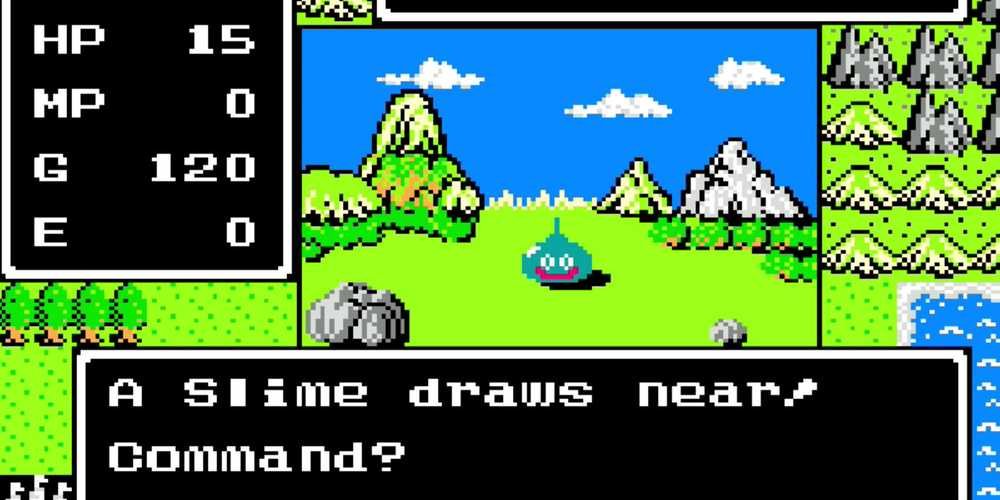
The first Dragon Quest NES release, known as Dragon Warrior in North America, deserves enormous credit for helping establish the structure of the Japanese role-playing game. Its turn-based battles, world exploration and character progression influenced countless RPGs that followed.
That historical importance is not in question.
The difficulty is that the original version can feel extremely slow when played today. Modern RPGs have streamlined many of the tasks that were once accepted as normal, while the NES version expects players to spend considerable time dealing with basic systems.
Even opening doors or moving through certain areas can require extra button presses. Saving is restricted to the castle, which means players have to plan their progress more carefully than they would in a modern game. Enemy encounters also appear frequently, making simple travel feel longer than it should.
These mechanics were not unusual for the period. In fact, they helped define early RPG design. But what once felt like depth can now come across as unnecessary friction.
Dragon Quest’s Combat Still Works Better Than Its Everyday Systems
The strongest part of the original Dragon Quest is its turn-based combat. The battles are simple, but the basic rhythm of choosing attacks, managing health and deciding when to use magic remains recognizable and satisfying.
The problem is everything surrounding those encounters. The game’s menus are clunky, exploration can become repetitive and the frequent enemy encounters interrupt the sense of adventure. Players may understand where they need to go, but reaching that destination often involves a long sequence of battles and routine actions.
That is why the first game can feel longer than its actual length. It is not necessarily difficult because of complex strategy. It is difficult because the game repeatedly asks the player to perform small tasks that later RPGs would make quicker and more convenient.
For fans of old-school RPGs, the original Dragon Quest can still be worth experiencing as a historical document. It shows the foundations of a genre that would later become much more sophisticated. But anyone expecting the comfort and accessibility of modern Dragon Quest games may struggle with the NES version.
Duck Hunt Loses Some of Its Magic Without the Original Hardware
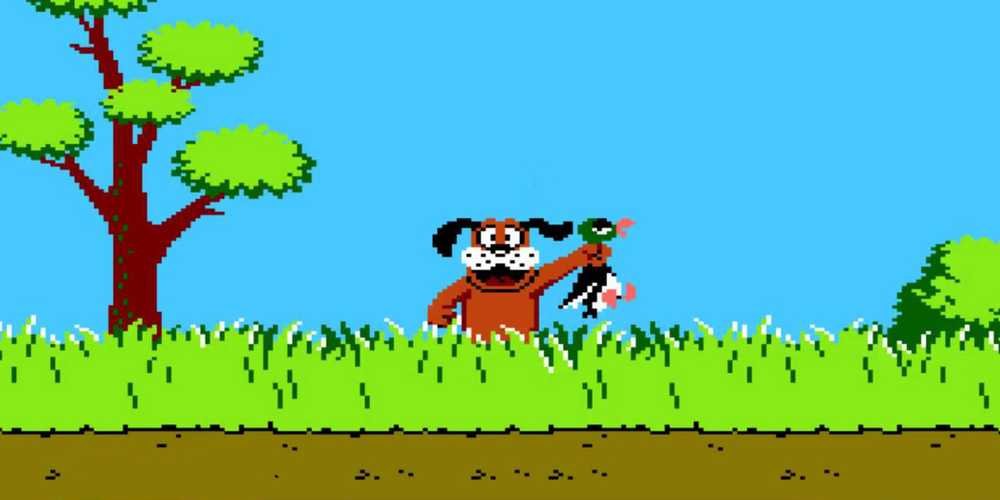
Few classic Nintendo games are more closely associated with the NES than Duck Hunt. The game’s orange Zapper, simple shooting gallery format and laughing dog became part of the identity of the Nintendo Entertainment System.
When it worked, Duck Hunt was an excellent party game. Players could take turns shooting ducks, competing for high scores and laughing at one another’s misses. It was easy to understand and required almost no explanation.
Revisiting it now is a different experience. The game is extremely limited compared with modern shooting games and motion-control titles. Its stages are repetitive, the targets follow predictable patterns and the overall experience can feel more like a brief novelty than a complete game.
That limitation was not necessarily a problem in the 1980s. The NES Zapper made the experience feel new, and many players had never used a light gun at home before. Today, however, the technology no longer feels impressive in the same way.
The Laughing Dog Is Still Memorable for the Wrong Reasons
The dog in Duck Hunt remains one of Nintendo’s most recognizable characters, even though he barely does anything beyond appearing after a missed shot and laughing at the player.
That reaction was funny at first. After enough missed ducks, it became personal. The dog’s laugh is one of the game’s most enduring memories, but it also highlights how little variety the experience offers. Missing a target does not lead to a new challenge or a different reaction. It leads to the same mocking animation.
Modern games have trained players to expect more responsive feedback, more varied challenges and more meaningful progression. Duck Hunt has none of that. Its appeal depends almost entirely on the novelty of the Zapper and the social experience of playing with other people.
Without the original hardware, the right television setup and the nostalgia attached to the game, it can feel surprisingly empty.
Why These NES Games Were Better in Their Own Era
The biggest mistake when judging NES games that aged badly is assuming that every old game should be evaluated as if it launched today. That would ignore the technical limits, design conventions and expectations of the time.
Ghostbusters was connected to a popular movie. Dragon Quest helped establish the structure of console RPGs. Duck Hunt introduced many players to light-gun gaming in their own homes. Each title had a reason to feel exciting when it was new. The problem is that those original advantages are not always enough to make the games enjoyable now.
Players today have access to remasters, save states, quality-of-life improvements and decades of design evolution. A game that once required patience may now simply feel inconvenient. A mechanic that once created tension may now seem like busywork.
That does not mean these titles should be forgotten. It means their value has shifted. They are important parts of Nintendo gaming history, but they are not necessarily the best games to recommend to someone discovering retro gaming for the first time.
Which Classic NES Game Has Aged the Worst?
Of the three, Ghostbusters is arguably the hardest to revisit because its problems affect nearly every part of the experience. The controls, pacing, resource management and final stages all work against the movie’s natural energy.
Dragon Quest is easier to defend because its influence is enormous and its combat still provides a clear foundation for later RPGs. It is dated, but there is genuine historical value in seeing how the genre began.
Duck Hunt falls somewhere in the middle. It is simple to the point of being limited, but it can still work as a short multiplayer diversion when played with the right equipment and the right expectations.
The ranking ultimately depends on what a player wants from retro video games. Someone interested in gaming history may enjoy all three. Someone looking for a smooth, entertaining experience may find them difficult to recommend.
Nostalgia Cannot Fix Every Old Nintendo Game
The NES remains one of the most important consoles in gaming history, but its library was never flawless. Alongside timeless classics were licensed games, experimental releases and titles that relied heavily on the novelty of the hardware.
That is why revisiting classic NES games can be both rewarding and disappointing. The best games reveal why they became classics. The weaker ones show how much game design has changed.
Ghostbusters, Dragon Quest and Duck Hunt each played a role in the NES era, but all three expose the limits of nostalgia. They may still be worth discussing, collecting or briefly revisiting. They are simply not as enjoyable as memory suggests.
For players returning to the Nintendo Entertainment System today, the safest approach is to appreciate these games for what they represented while being honest about how they play now.
No existing Fandomora URL from the available mapping was a direct match for this specific NES topic, so unrelated links should not be inserted merely to increase internal-link count.
FAQ
1. What are the three NES games that have aged badly?
The three games discussed are Ghostbusters, the original Dragon Quest, known as Dragon Warrior in North America, and Duck Hunt.
2. Is the Ghostbusters NES game still worth playing?
It may be worth trying for retro gaming history or movie-game nostalgia, but its slow pacing, awkward controls and repetitive sections make it difficult to recommend as a genuinely enjoyable experience today.
3. Is the original Dragon Quest on NES still good?
The original Dragon Quest remains historically important and its turn-based combat still works. However, the slow menus, frequent encounters and limited saving system make it feel dated compared with later RPGs.
4. Why has Duck Hunt aged so poorly?
Duck Hunt is extremely simple and depends heavily on the novelty of the NES Zapper. Modern shooting games offer more variety, responsive controls and deeper progression, making Duck Hunt feel limited by comparison.
5. Were these games considered bad when they were released?
Not necessarily. Their reputation was shaped by the technology, expectations and gaming culture of the 1980s. Some of their weaknesses became more obvious after players experienced more advanced games.
6. What are some NES games that still hold up?
Games such as Super Mario Bros. 3, The Legend of Zelda, Metroid, Mega Man 2 and Castlevania III: Dracula’s Curse are often stronger choices for players revisiting the NES library.
Stay updated with the latest trends on Fandomora — your go-to destination for breaking movie news, web series updates, anime releases, gaming trends, celebrity insights, and music updates. Explore reviews, OTT release dates, anime guides, gaming walkthroughs, and curated lists to discover the best in global entertainment.
About The Author