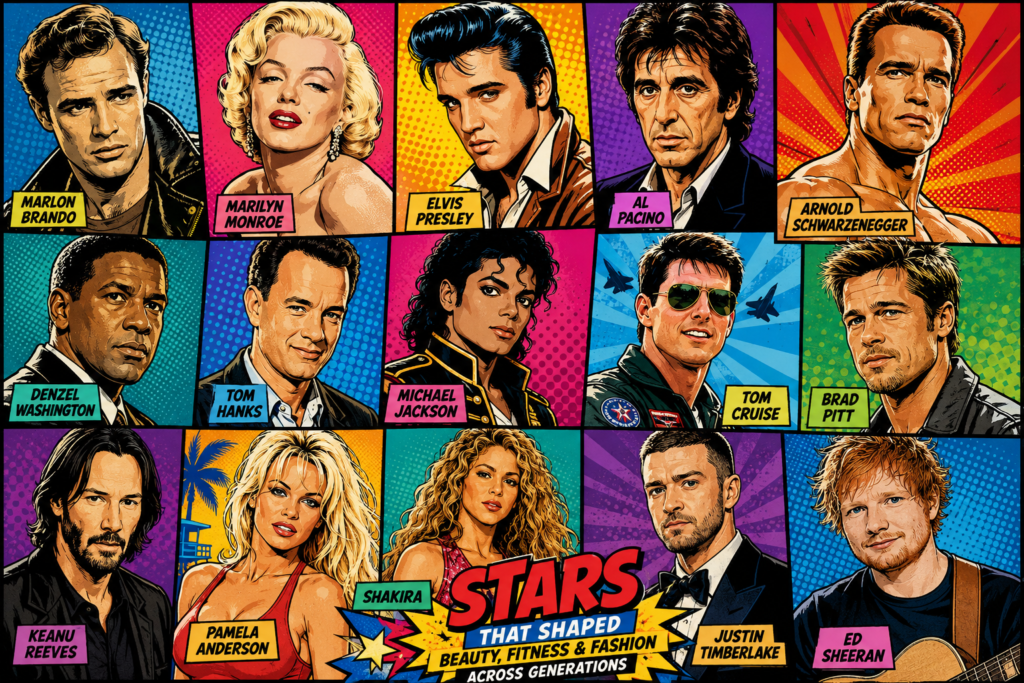
From Brando's rebellious masculinity to Ed Sheeran's authentic individuality, iconic stars have continually reshaped global ideas of beauty, fitness and fashion.
From Marlon Brando‘s rebellious masculinity and Marilyn Monroe‘s Hollywood glamour to Arnold Schwarzenegger‘s muscular physique, Michael Jackson’s revolutionary image and today’s global pop icons — celebrity stardom has repeatedly changed the way the world thinks about beauty, fitness and fashion.
What does it mean to look like a star?
The answer has changed dramatically over the last eight decades.
In the 1950s, masculinity could mean a white T-shirt, leather jacket and raw attitude. In another corner of the same decade, femininity was represented by platinum blonde hair, red lipstick and an hourglass silhouette.
By the 1980s, the ideal male body had become considerably more muscular. The 1990s brought the sculpted, athletic Hollywood physique. The 2000s embraced leaner bodies, polished grooming and celebrity fashion. Today, social media has turned celebrity appearance into a constantly evolving global conversation.
Few people have influenced these changes more powerfully than movie stars and musicians.
From Marlon Brando, Marilyn Monroe and Elvis Presley to Al Pacino, Arnold Schwarzenegger, Denzel Washington, Tom Hanks, Michael Jackson, Tom Cruise, Brad Pitt, Keanu Reeves, Pamela Anderson, Shakira, Justin Timberlake and Ed Sheeran, each represents a particular chapter in the history of popular culture.
Their influence went beyond movies and music.
They changed hairstyles, clothing, body goals, grooming habits, workout aspirations, stage presence and even the way audiences imagined masculinity and femininity.
1. Marlon Brando: The Birth of Modern Male Cool
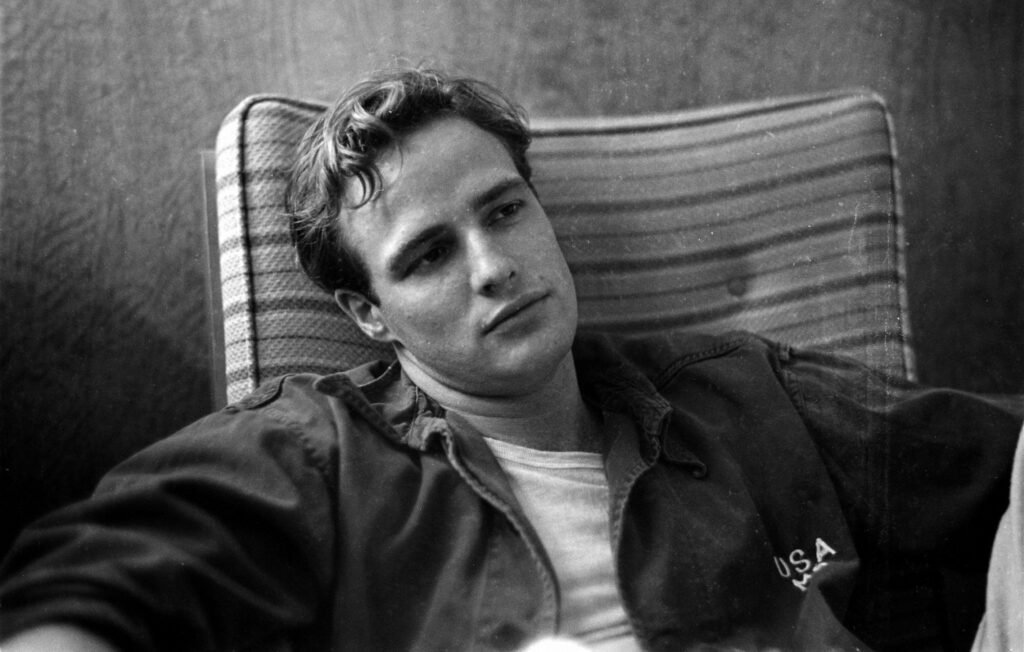
Few actors transformed male screen presence as dramatically as Marlon Brando.
Born in 1924, Brando emerged from the American theatre scene before becoming a Hollywood phenomenon. His performances in A Streetcar Named Desire, On the Waterfront, The Wild One and eventually The Godfather changed expectations of what a leading man could be. He is widely regarded as one of the most influential actors in cinema history.
But Brando’s influence was not confined to acting.
His fitted white T-shirt, denim, leather jackets and relaxed physicality created an entirely new visual vocabulary for male rebellion. His wardrobe in A Streetcar Named Desire and The Wild One became reference points for menswear for generations.
Brando also helped popularise a different kind of male beauty — strong without looking overly polished.
He didn’t need elaborate fashion. His appeal came from posture, confidence, physique and attitude.
His fitness and beauty legacy
Brando represented the athletic but attainable male body before bodybuilding became mainstream. He looked powerful without resembling a professional bodybuilder.
That distinction mattered.
The Brando template became:
broad shoulders + fitted clothing + rugged face + physical confidence + rebellious attitude.
Across cinema industries, the idea of the brooding, masculine leading man became increasingly influential. His impact can be seen in generations of actors who adopted the “quiet intensity” approach to masculinity.
Brando didn’t merely become handsome.
He helped redefine what handsome looked like.
2. Marilyn Monroe: When Glamour Became a Global Beauty Language
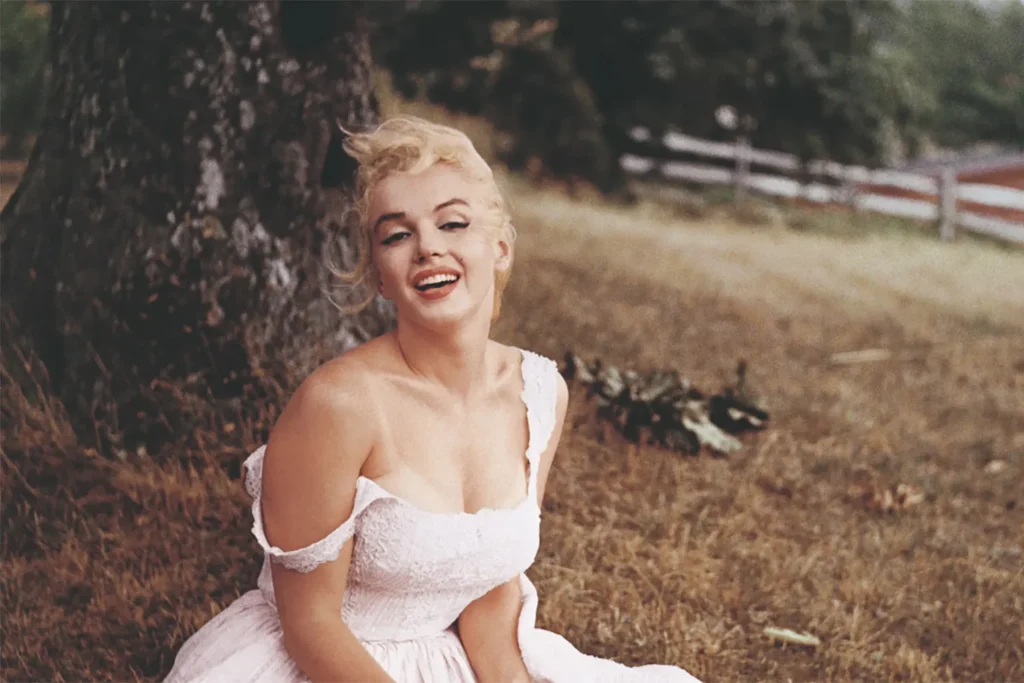
If Brando transformed male cool, Marilyn Monroe transformed female glamour.
Born in 1926, Monroe became one of the defining stars of 1950s Hollywood. Her combination of acting, singing, photography, publicity and carefully constructed screen persona made her much more than a conventional movie star.
Her image — platinum blonde hair, red lips, expressive eyes and an hourglass silhouette — became one of the most recognisable beauty identities in popular culture.
Her fashion legacy remains extraordinarily powerful. TIME has noted that Monroe’s figure-hugging silhouettes, dramatic dresses and glamorous styling continue to influence fashion decades after her death.
Her famous white dress from The Seven Year Itch became one of cinema’s most recognisable fashion images.
Beauty beyond fitness
Monroe is particularly important because her legacy demonstrates that beauty standards are not necessarily synonymous with athletic fitness.
Her body represented curves, softness and femininity at a time when Hollywood glamour was built around sensuality rather than the ultra-lean physique frequently promoted by later fashion culture.
Her influence travelled internationally.
From Bollywood’s fascination with classic screen glamour to later performers such as Madonna and Lady Gaga incorporating Monroe-inspired visual language, her aesthetic became a reusable cultural template.
The Monroe effect can be reduced to:
platinum hair + red lipstick + curves + feminine silhouettes + theatrical glamour.
3. Elvis Presley: The Body, Hair and Movement of Rock ‘n’ Roll
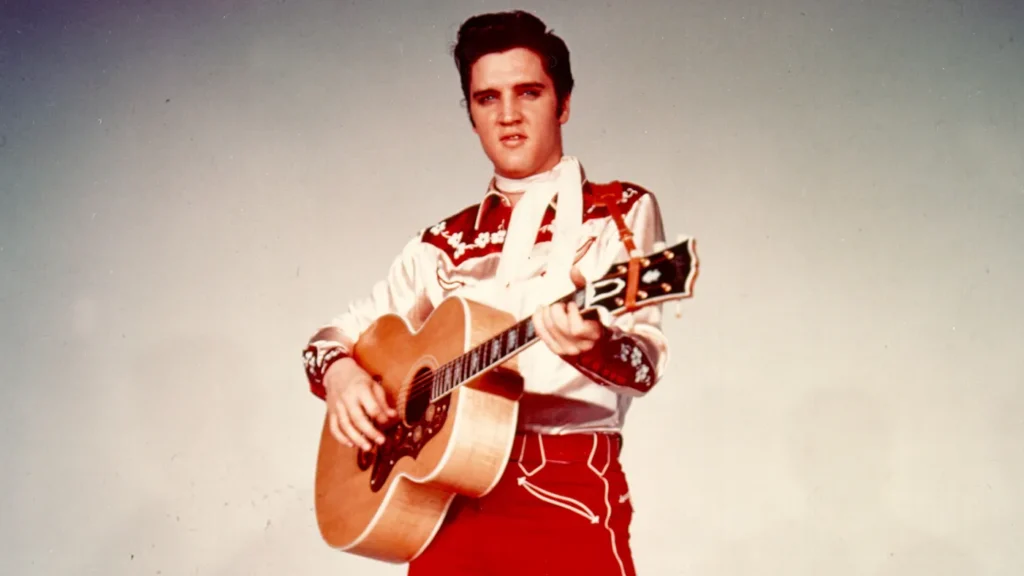
Then came Elvis Presley.
Born in 1935, Elvis didn’t simply become a successful singer. He transformed the visual identity of popular music.
His career combined music, movies and stage performance. During the height of his film career, Presley simultaneously achieved major success with singles, albums and movies.
Elvis’s influence was physical.
The hair.
The sideburns.
The jumpsuits.
The hips.
The swagger.
The stage movements.
His masculinity was simultaneously rebellious and glamorous — a combination that had enormous cultural power.
The Elvis fitness ideal
Elvis evolved physically throughout his career. His younger image represented a lean, athletic rock star, while his later Las Vegas period presented a larger-than-life performance physique.
That evolution itself became part of his mythology.
His hairstyle and stage clothing became especially influential among male performers around the world.
Across Asia, Europe and Latin America, generations of singers borrowed elements of Elvis’s stage confidence, hairstyle and performance attitude.
Elvis demonstrated something important:
Fitness and fashion become cultural forces when combined with movement and personality.
4. Al Pacino: The Power of Intensity
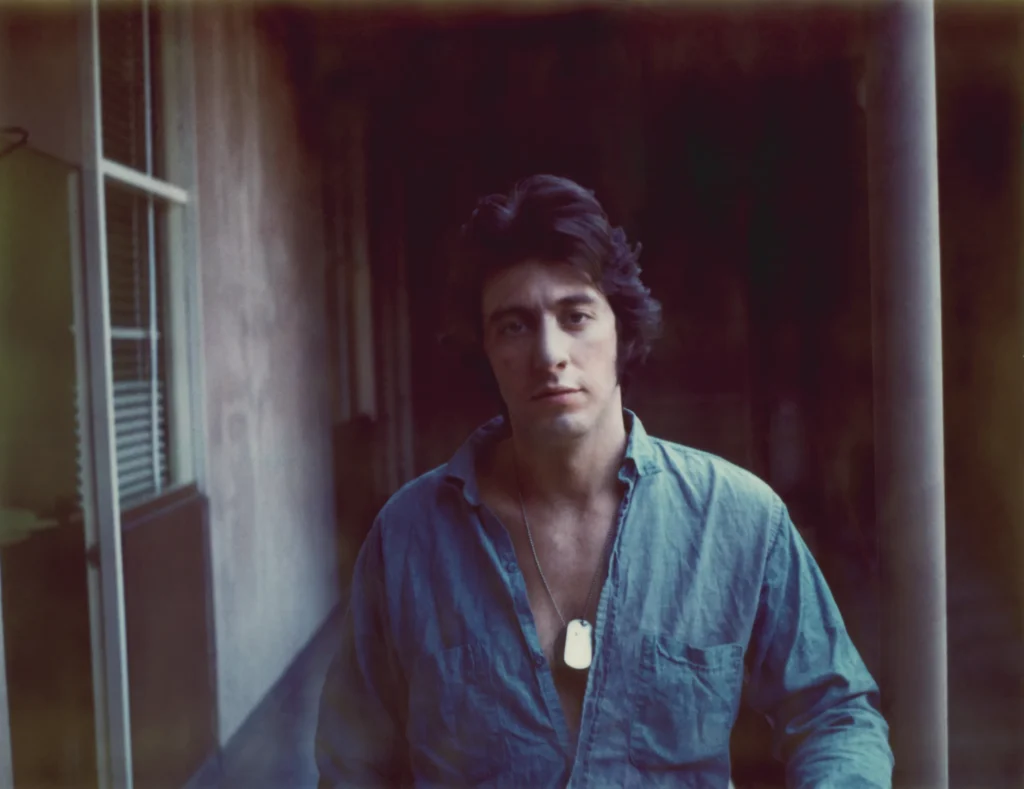
Born in 1940, Al Pacino represented a very different kind of male attractiveness.
He wasn’t built around the conventional polished Hollywood leading-man model.
Instead, Pacino made intensity attractive.
His Michael Corleone in The Godfather, Tony Montana in Scarface, Frank Serpico in Serpico and later performances in Heat and Scent of a Woman established an image built around eyes, voice, posture and psychological force.
Fashion and physique
Pacino’s appeal was less about an exaggerated physique and more about presence.
Dark suits.
Leather jackets.
Long coats.
Tight collars.
Italian-American tailoring.
Controlled body language.
The lesson was significant: you don’t necessarily need a bodybuilder’s physique to project masculine power.
Pacino influenced actors across international cinema by demonstrating that charisma could be intellectual, dangerous, vulnerable and theatrical simultaneously.
His style became especially influential in gangster cinema worldwide.
5. Arnold Schwarzenegger: When Muscles Became the Movie
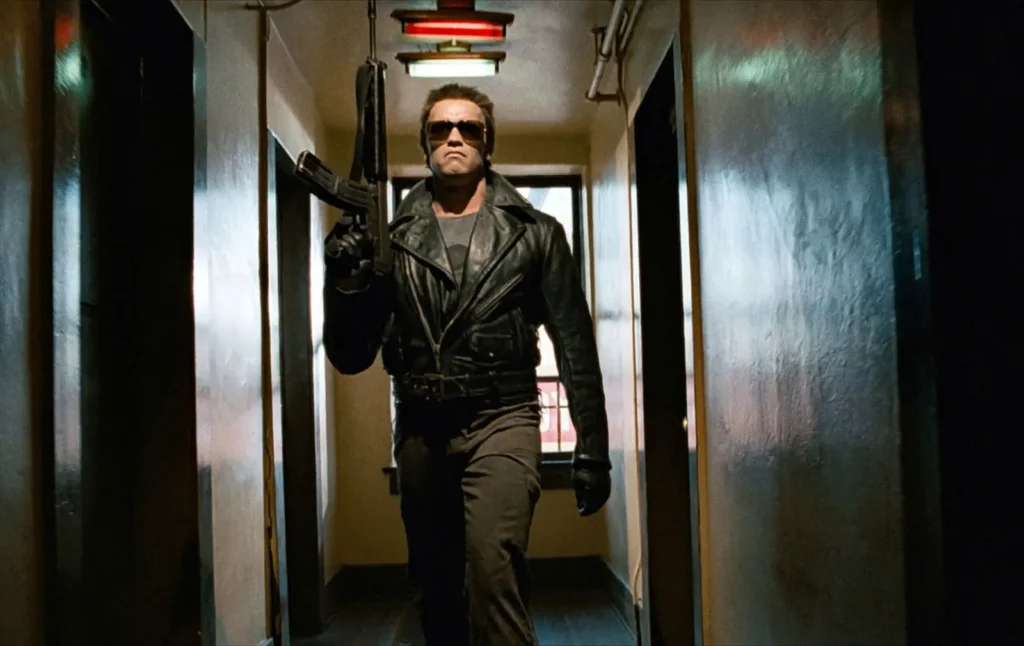
If Brando made rugged masculinity fashionable, Arnold Schwarzenegger made muscularity aspirational.
Born in Austria in 1947, Schwarzenegger first became famous as a champion bodybuilder before transitioning into Hollywood. His bodybuilding success became the foundation for a hugely successful film career, particularly through Conan the Barbarian, The Terminator, Predator and Total Recall.
This was a turning point.
The male celebrity body was no longer merely attractive.
It became a spectacle.
The Schwarzenegger standard
Huge shoulders.
Large arms.
Low body fat.
Visible muscularity.
Chest development.
Disciplined training.
For millions of men, Arnold transformed bodybuilding from a niche subculture into a mainstream aspiration.
His influence reached Hollywood, Bollywood and action cinema throughout Asia.
The subsequent generation of action heroes increasingly needed to look physically capable of performing the action they portrayed.
Arnold essentially helped establish the modern “action-hero physique.”
6. Denzel Washington: Athletic Masculinity Meets Elegance
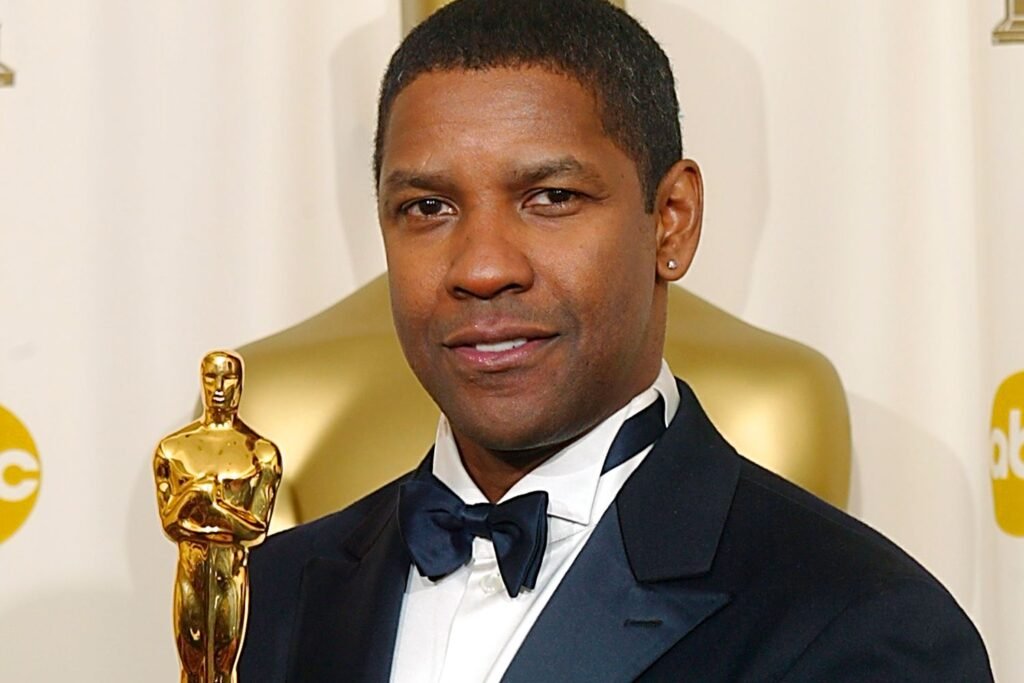
Born in 1954, Denzel Washington brought another dimension to male beauty.
His career has included Malcolm X, Philadelphia, Training Day, Man on Fire, American Gangster and Fences.
Washington’s appeal has traditionally combined:
athleticism + maturity + elegance + confidence.
Rather than making extreme muscularity the centre of his image, Washington demonstrated the enduring power of proportion and grooming.
His suits, coats, clean grooming and controlled physical presence created a template for sophisticated masculinity.
His impact on African-American representation was particularly important because mainstream cinema audiences saw a Black leading man portrayed not simply as an action figure, but as intellectual, romantic, authoritative, vulnerable and powerful.
7. Tom Hanks: The Beauty of the Everyman
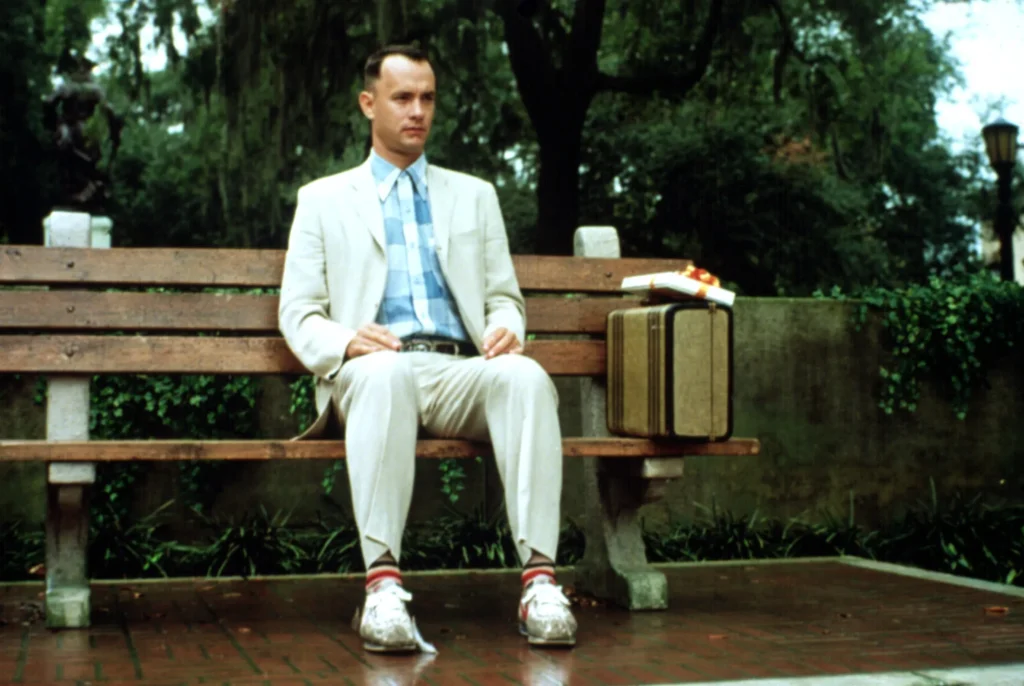
Tom Hanks, born in 1956, took Hollywood masculinity in another direction.
His major roles include Big, Philadelphia, Forrest Gump, Apollo 13, Cast Away and the Toy Story franchise.
Hanks demonstrated that a leading man didn’t need to look like a fashion model.
His appeal was based on relatability.
His characters could be funny, ordinary, vulnerable, intelligent or heroic without being physically intimidating.
Fitness and body transformation
His work also showed audiences that physical appearance could be part of storytelling rather than a permanent beauty standard.
Cast Away, for example, famously required a dramatic physical transformation for the character.
Hanks helped popularise the idea that personality and emotional accessibility can themselves become forms of attractiveness.
This was particularly important as Hollywood moved away from the one-dimensional macho hero.
8. Michael Jackson: The Reinvention of the Pop-Star Body
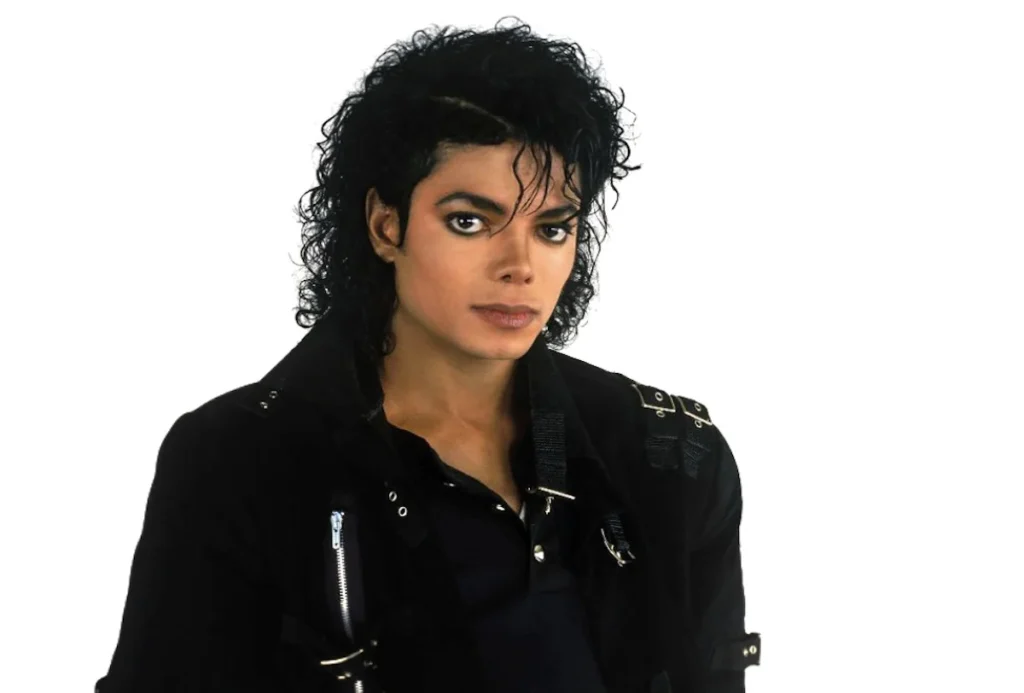
Born in 1958, Michael Jackson changed celebrity image perhaps more radically than almost any musician before him.
The “King of Pop” began as a child performer with the Jackson 5 before becoming a global solo superstar through albums including Off the Wall, Thriller and Bad. Thriller became one of the most commercially significant albums in popular music history.
Jackson’s influence extended across:
- dance
- fashion
- hairstyles
- stage costumes
- makeup
- choreography
- music videos
- physical movement
- celebrity branding
The glove.
The military-inspired jackets.
The fedora.
The loafers.
The moonwalk.
The sharp silhouette.
Everything became part of the brand.
Fitness through performance
Jackson’s body ideal was different from Arnold’s.
It was lean, agile and dance-oriented.
Instead of projecting physical power through muscle mass, Jackson projected extraordinary physical control.
That distinction influenced dancers and performers worldwide.
From Bollywood choreography to K-pop performance culture, the modern expectation that a singer should also be an exceptional dancer owes something to the global performance model Jackson helped establish.
9. Tom Cruise: The Athletic Action-Star Standard
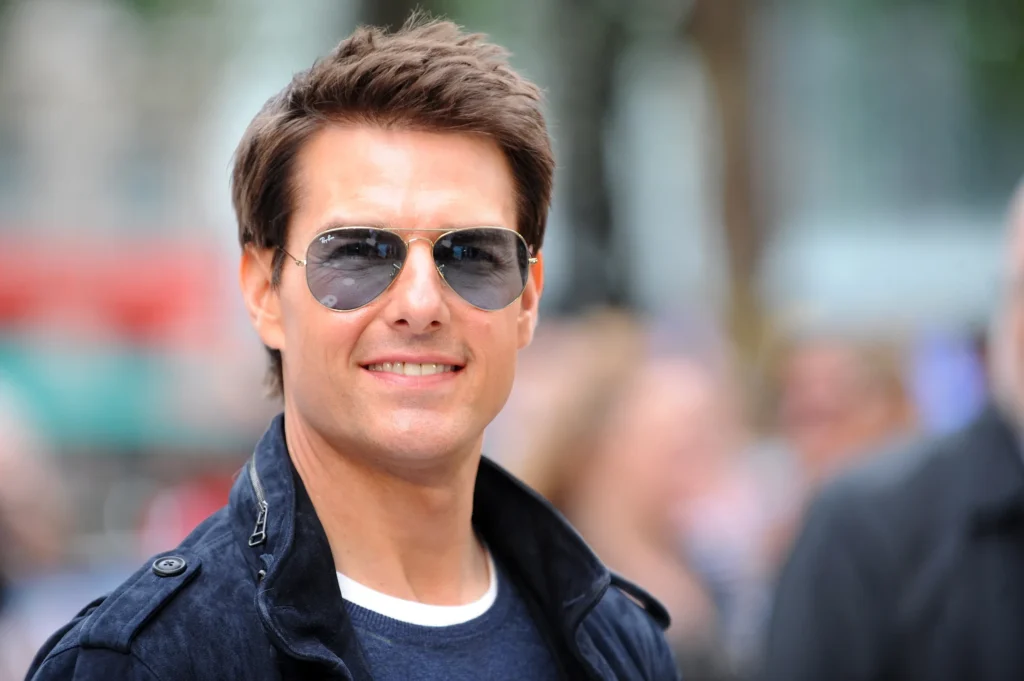
Born in 1962, Tom Cruise helped redefine what an action star could physically do.
His breakthrough came with Risky Business, followed by Top Gun, Rain Man, A Few Good Men, Jerry Maguire and the Mission: Impossible franchise.
Cruise’s biggest contribution to fitness culture may be his insistence on physical performance.
Running.
Climbing.
Fighting.
Motorcycling.
Skydiving.
Piloting.
Stunts.
His physicality became part of the entertainment itself.
The Cruise standard
Unlike the enormous Arnold physique, Cruise’s action-star body has generally been lean, athletic and functional.
This created another aspirational male image:
fit enough to perform rather than simply muscular enough to look impressive.
His influence can be seen in the growing emphasis on functional training, stunt preparation and athletic conditioning among international action stars.
10. Brad Pitt: The Sculpted Hollywood Physique
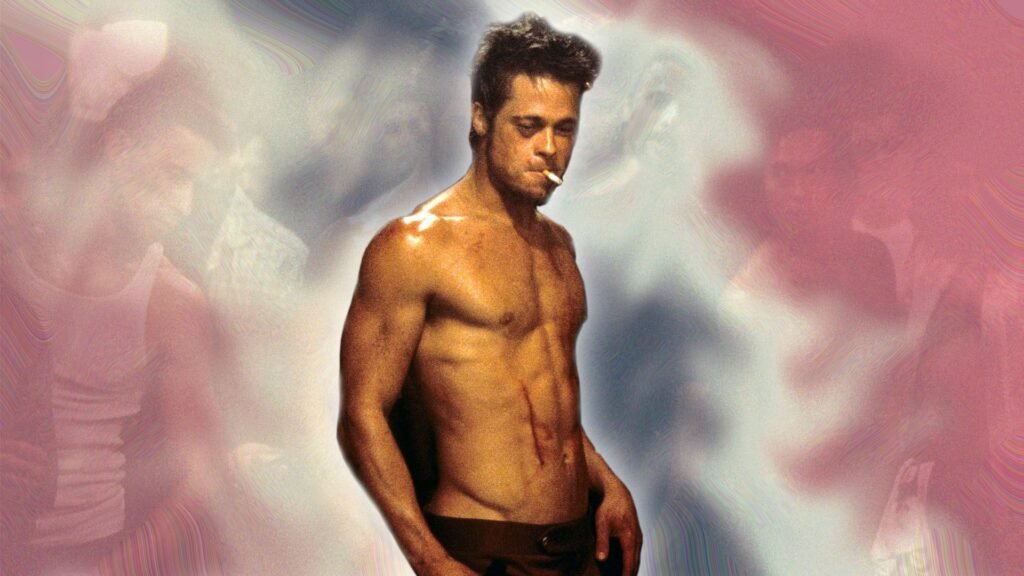
Brad Pitt, born in 1963, represents one of the biggest turning points in Hollywood’s relationship with male fitness.
His roles in Thelma & Louise, Seven, Fight Club, Troy, Ocean’s Eleven and Once Upon a Time in Hollywood gave audiences several different versions of the male physique.
But Fight Club became particularly influential.
The body wasn’t enormous.
It was lean, muscular and sharply defined.
The result became one of the most copied male physiques in popular fitness culture.
The “Fight Club” effect
Pitt’s physique helped establish the idea that a male body could be impressive through:
- low body fat
- visible abdominal definition
- muscular shoulders
- proportional development
- athletic appearance
The later Troy physique pushed the concept toward a more muscular classical-warrior aesthetic.
His fashion influence also extended beyond fitness: casual tailoring, leather jackets, relaxed shirts and understated red-carpet styling became part of the modern male celebrity wardrobe.
11. Keanu Reeves: Minimalism Becomes Attractive
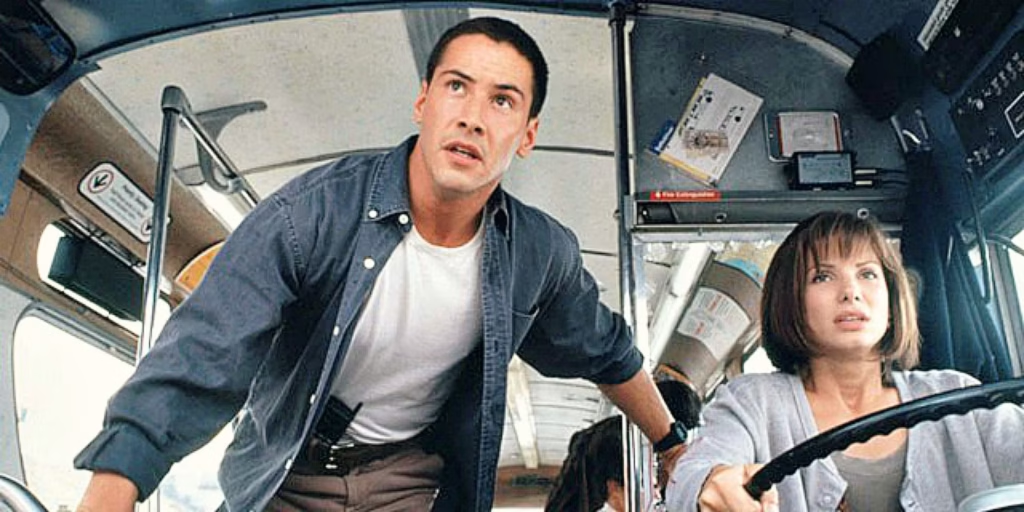
Born in 1964, Keanu Reeves represents one of the most interesting modern shifts.
His career moved from Bill & Ted to Speed, The Matrix and eventually John Wick.
Reeves became associated with an understated image.
Dark clothing.
Long coats.
Minimal accessories.
Long hair at various stages.
Quiet confidence.
And, in John Wick, a highly conditioned but realistic action physique.
The Keanu effect
His appeal demonstrated that masculinity could be:
quiet + emotionally restrained + physically capable + minimalist.
Unlike the flamboyance of Elvis or the muscular spectacle of Arnold, Reeves created an image based on restraint.
His John Wick appearance subsequently became a reference point for action actors seeking a more functional and believable physique.
12. Pamela Anderson: The Television Bombshell
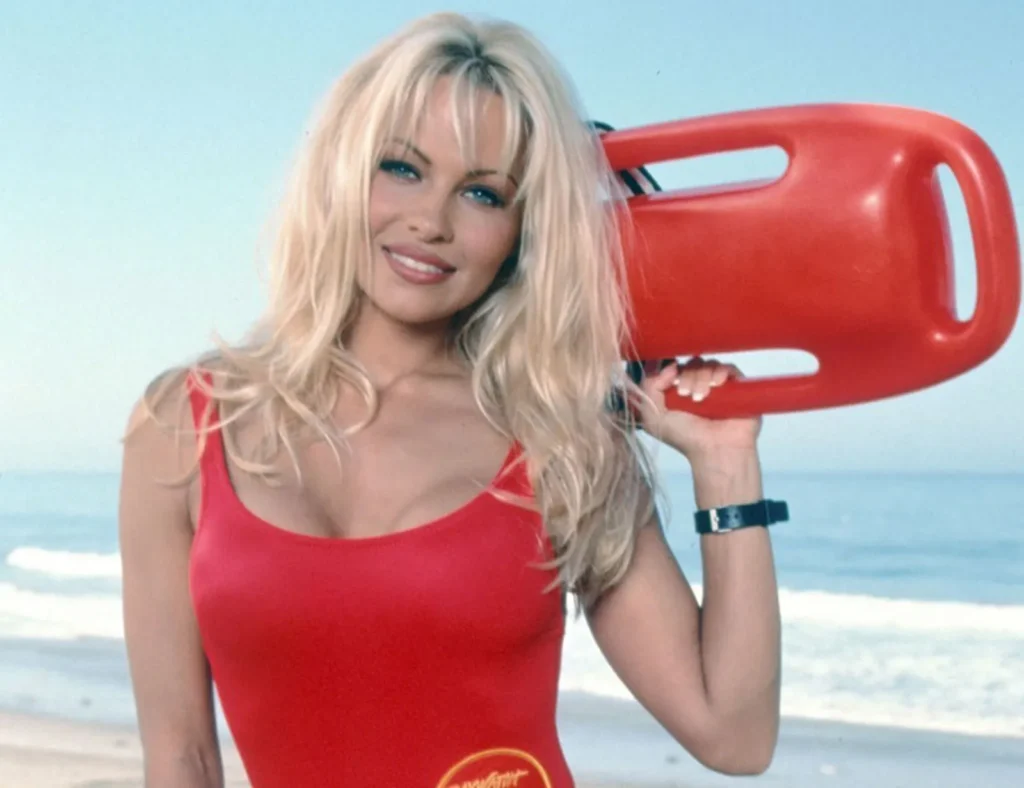
Born in 1967, Pamela Anderson became one of the defining visual celebrities of 1990s television.
Her role in Baywatch transformed her into an international pop-culture phenomenon.
The red swimsuit.
Platinum blonde hair.
Tanned skin.
Glossy makeup.
Highly stylised femininity.
The Baywatch aesthetic became a global television export.
Anderson’s image helped define the 1990s and influenced modelling, television, swimwear advertising and celebrity photography.
Her impact also demonstrates how television can export beauty ideals internationally.
The Pamela Anderson look became recognisable far beyond the United States.
13. Shakira: The Globalisation of Athletic Femininity
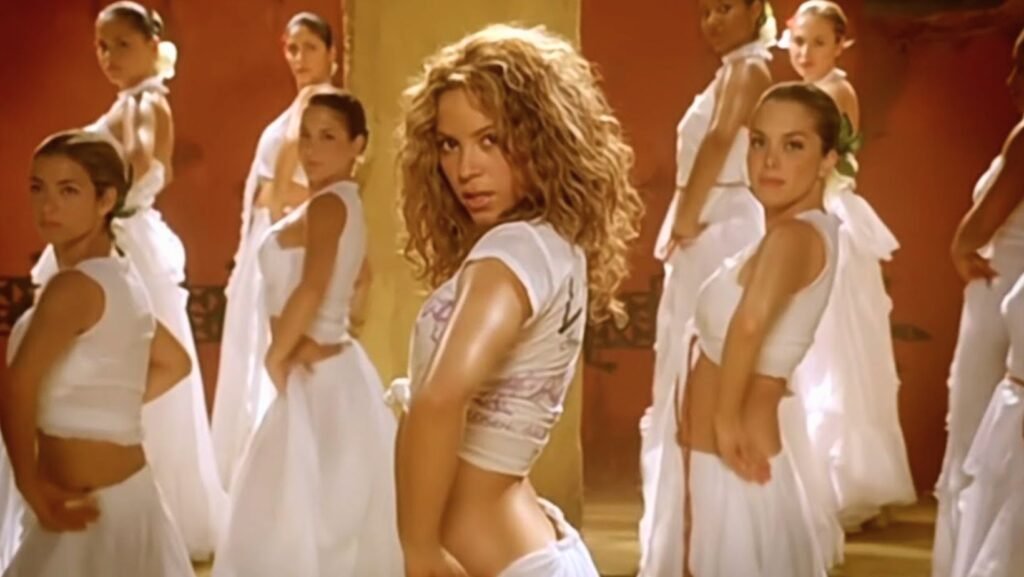
Shakira, born in 1977, represents a major transition from Hollywood-centric beauty standards toward truly global pop culture.
Her international breakthrough transformed her from a Colombian singer into a worldwide performer.
Songs such as Whenever, Wherever, Hips Don’t Lie and Waka Waka established her as a global entertainment brand.
Her physical identity was equally distinctive.
Shakira’s performance style combined:
dance + flexibility + core strength + athletic movement + sensuality.
Her famously energetic hip movements turned dance ability itself into a component of pop-star attractiveness.
Unlike the static beauty ideal represented by classic Hollywood glamour, Shakira’s appeal was kinetic.
She didn’t simply look fit.
She moved like an athlete.
Her influence can be seen throughout Latin music, Bollywood dance, Indian television performance culture and international pop choreography.
14. Justin Bieber: The Modern Pop-Star Evolution
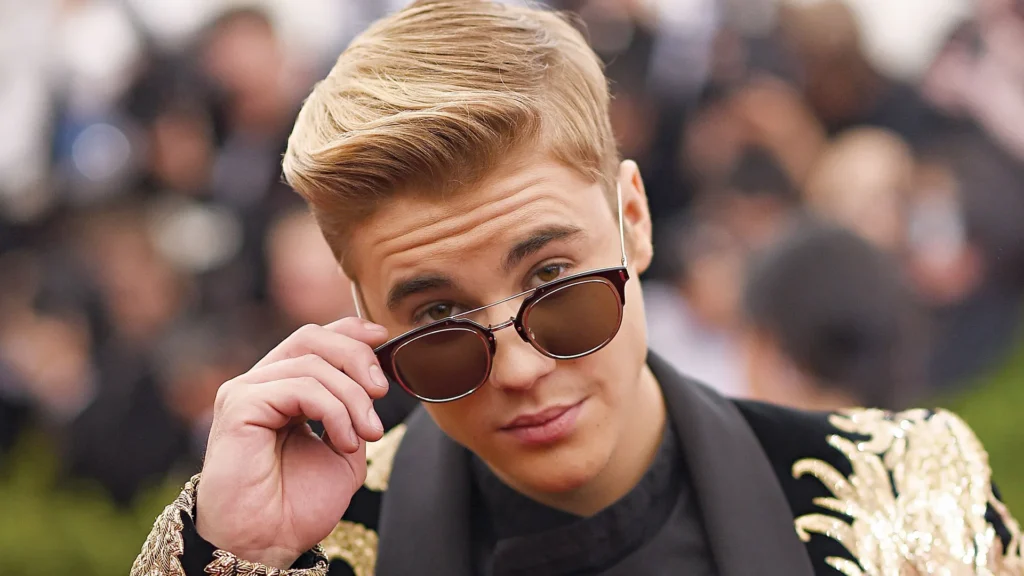
Born in 1994, Justin Bieber emerged as one of the defining global pop stars of the digital era.
Discovered through YouTube, Bieber became a worldwide phenomenon with early hits like Baby, later evolving his sound and image through albums such as Purpose and Justice.
Bieber’s influence is especially important because it reflects the transformation of celebrity culture in the age of social media.
His early image represented the teen pop idol aesthetic — youthful, clean-cut, emotionally expressive and highly marketable. As he matured, his style shifted toward a more relaxed, streetwear-driven identity.
The Bieber fitness aesthetic
Unlike traditional action stars or bodybuilders, Bieber’s physique represents:
lean + youthful + casual + streetwear-oriented.
His influence lies less in extreme physical transformation and more in how modern male pop stars blend fashion, grooming and personal branding.
He helped define a generation where celebrity identity is shaped continuously through Instagram, paparazzi culture and direct fan engagement.
Bieber represents the shift from manufactured pop image to digitally evolving personal style identity.
15. Ed Sheeran: When Authenticity Became Attractive
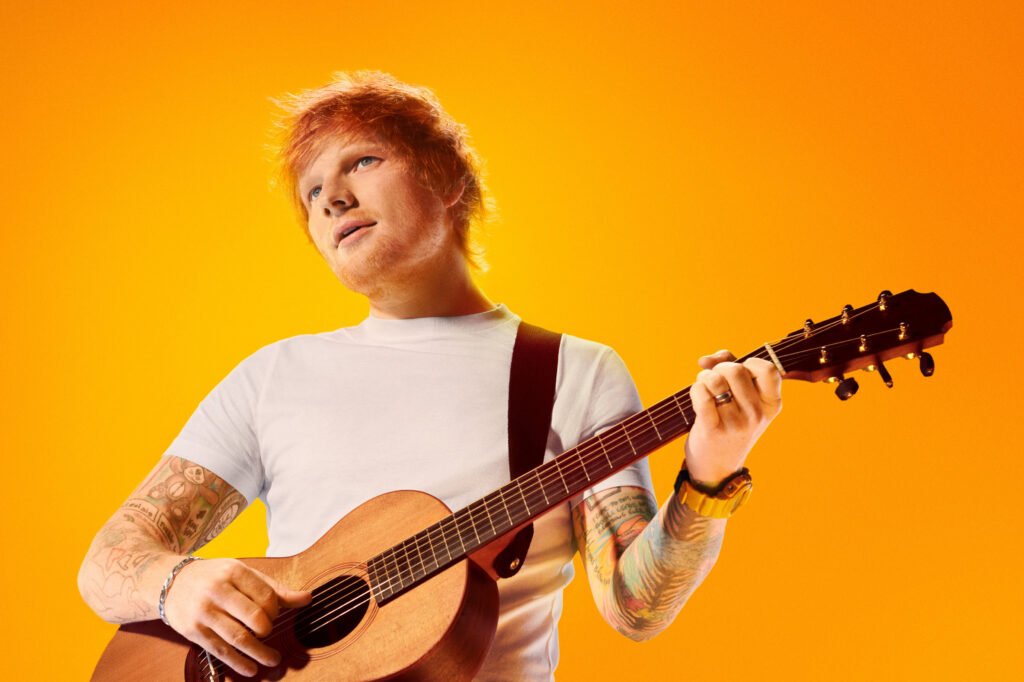
Born in 1991, Ed Sheeran represents perhaps the biggest departure from the traditional Hollywood beauty formula in this list.
The singer-songwriter became an international superstar through songs such as The A Team, Thinking Out Loud, Shape of You and Perfect.
Sheeran did not enter popular culture with the stereotypical image of a hyper-muscular male celebrity.
His strength was authenticity.
Guitar.
Red hair.
Casual clothing.
Tattooed arms.
Ordinary-guy presentation.
Songwriting ability.
His success demonstrated something crucial about contemporary celebrity culture:
Talent and relatability can overpower conventional beauty standards.
As social media fragmented celebrity culture, audiences increasingly began connecting with personalities rather than perfectly manufactured images.
Sheeran’s career therefore represents an important endpoint in this journey — from stars who defined how people wanted to look to stars who showed that people could become famous while looking like themselves.
From Brando to Sheeran: How the Ideal Changed
Looking across these stars, the transformation becomes fascinating.
1950s: The Rebel
Marlon Brando
Masculinity meant ruggedness, confidence and rebellion.
1950s: The Bombshell
Marilyn Monroe
Femininity meant glamour, curves and sensuality.
1950s–60s: The Rock Icon
Elvis Presley
Beauty became inseparable from movement, hairstyle and stage personality.
1970s: The Intense Actor
Al Pacino
Charisma became more important than conventional handsomeness.
1980s: The Muscle Era
Arnold Schwarzenegger
The male physique became a fitness project.
1980s–90s: The Refined Hero
Denzel Washington and Tom Hanks
Character, elegance and relatability expanded the definition of leading-man appeal.
1980s–90s: The Pop Spectacle
Michael Jackson
Dance, fashion and body movement became central to celebrity identity.
1990s–2000s: The Athletic Star
Tom Cruise and Brad Pitt
The ideal became lean, muscular and physically capable.
1990s–2000s: The Television Bombshell
Pamela Anderson
Television exported a highly recognisable beauty aesthetic across the globe.
2000s–2010s: The Global Performer
Shakira
Athletic movement and dance became integral to female pop-star appeal.
2000s–2010s: The Complete Pop Package
Justin Bieber
Singer + dancer + actor + fashion personality became the formula.
2010s–2020s: The Authentic Celebrity
Ed Sheeran
Relatability and individuality challenged the necessity of conventional celebrity beauty.
How International Cinema and Music Absorbed Their Influence
Celebrity influence rarely travels in a straight line.
A Hollywood star may inspire an Indian actor, who then influences a South Korean performer, who inspires a fashion designer, whose work eventually appears on social media thousands of miles away.
This is cultural transmission.
Brando’s rebellious masculinity became part of the visual language of international cinema. Monroe’s glamour became a universal shorthand for classic femininity. Elvis helped establish the global idea of the charismatic rock performer.
Arnold’s bodybuilding legacy helped make muscular action heroes commercially viable worldwide.
Michael Jackson’s choreography became particularly influential in dance cultures across Asia and beyond.
Tom Cruise helped establish the modern physically committed action star, while Brad Pitt’s Fight Club physique became a reference point for fitness enthusiasts far outside Hollywood.
Shakira demonstrated how a Latin American artist could influence global dance and fashion without abandoning her distinctive cultural identity.
And today’s stars operate in an even more connected ecosystem.
Instagram, TikTok, YouTube and streaming platforms allow a hairstyle, workout routine, outfit or dance move to travel around the world within hours.
Research into fashion influence has found that styles can propagate between cities and regions through visual networks, illustrating how fashion trends cross geographical boundaries.
Celebrity Beauty Standards: Inspiration or Pressure?
There is another side to this story.
Stars can inspire people to exercise, dress confidently and take better care of themselves. But celebrity imagery can also create unrealistic expectations.
Movie stars have access to:
- professional trainers
- nutritionists
- stylists
- makeup artists
- lighting specialists
- photographers
- costume designers
- dermatologists
- hair professionals
- post-production and digital retouching
The body seen on a movie poster is therefore rarely comparable to the body of an ordinary person going about everyday life.
Research into beauty standards has found that idealised media imagery can affect self-perception and body-image concerns. At the same time, representation has become more diverse, although traditional thinness ideals remain influential.
The lesson isn’t that celebrity fitness should be ignored.
It is that celebrity bodies should be understood as professional images, not universal requirements.
The Biggest Change: From Imitation to Identity
Perhaps the most fascinating development is that celebrity culture has gradually moved from imitation toward individuality.
The young man of the 1950s wanted Brando’s jacket.
The teenager of the 1960s wanted Elvis’s hair.
The woman of the 1950s wanted Monroe’s glamour.
The aspiring bodybuilder of the 1980s wanted Arnold’s muscles.
The fitness enthusiast of the 1990s and 2000s wanted Brad Pitt’s definition.
The dancer wanted Michael Jackson’s movement.
The performer wanted Shakira’s stage energy.
And today’s social-media generation increasingly wants something different:
a recognisable personal identity.
That may ultimately be the most powerful legacy of these stars.
They didn’t simply tell audiences what was beautiful.
They repeatedly demonstrated that a distinctive identity can itself become beautiful, fashionable and influential.
Conclusion: Stardom Changes the Mirror
From Brando’s white T-shirt to Elvis’s jumpsuit, Marilyn’s red lips, Arnold’s muscles, Michael Jackson’s glove, Pamela Anderson’s red swimsuit, Brad Pitt’s Fight Club physique, Shakira’s dance-driven athleticism and Ed Sheeran’s unapologetic individuality, celebrity culture has repeatedly rewritten the visual language of attractiveness.
Every generation creates its own ideal.
But the stars who survive for decades usually possess something more powerful than physical beauty.
They possess identity.
That is why Brando still influences menswear.
Why Monroe still influences makeup and fashion.
Why Elvis remains a performance icon.
Why Arnold remains embedded in fitness culture.
Why Michael Jackson remains a benchmark for pop performance.
Why Cruise represents physical commitment.
Why Pitt remains associated with the sculpted male physique.
Why Shakira remains synonymous with dance-driven pop performance.
And why Sheeran demonstrates that authenticity can compete with conventional celebrity beauty.
The history of celebrity is therefore also a history of the mirror.
The stars changed.
The clothes changed.
The bodies changed.
The definition of beauty changed.
But our fascination with the people on the screen never did.
Stay updated with the latest trends on Fandomora — your go-to destination for breaking movie news, web series updates, anime releases, gaming trends, celebrity insights, and music updates. Explore reviews, OTT release dates, anime guides, gaming walkthroughs, and curated lists to discover the best in global entertainment.
About The Author