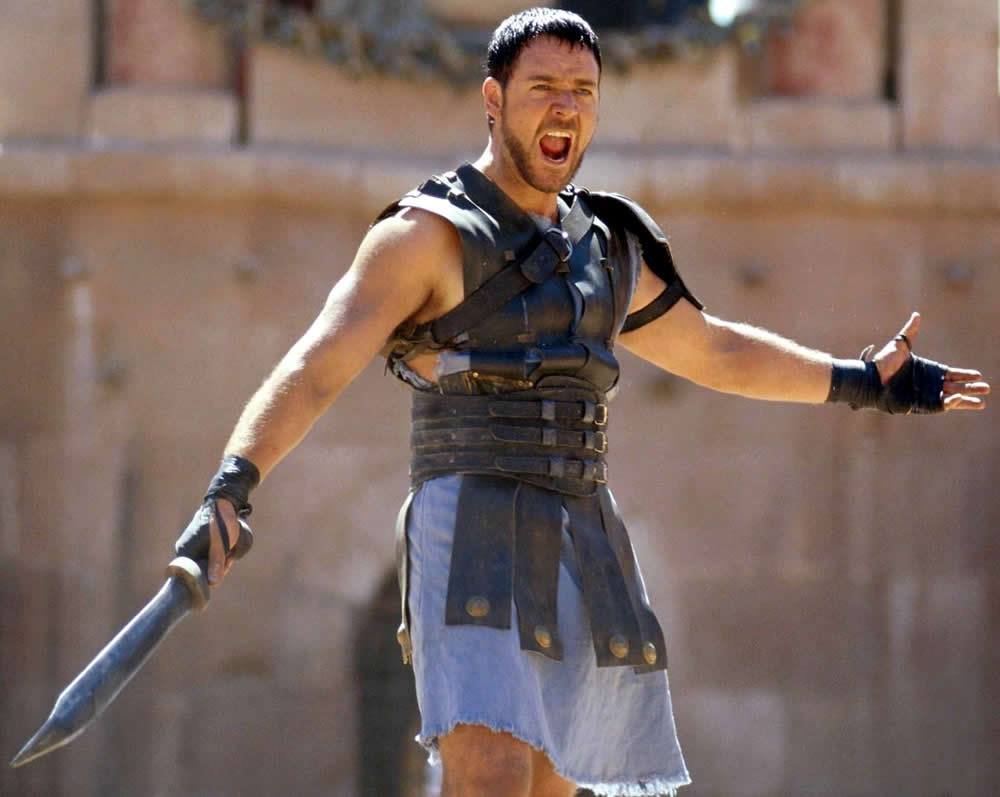
Russell Crowe as Maximus Decimus Meridius in Gladiator.
There are movie characters you remember.
And then there are characters who become cultural symbols.
Maximus Decimus Meridius is one of them.
Even people who haven’t watched Gladiator can recognize the image: a Roman general standing in an arena, battered but unbroken, preparing to face impossible odds.
Played by Russell Crowe, Maximus became the emotional center of Ridley Scott‘s Gladiator — a character whose story of loss, revenge, leadership and honor turned a historical epic into something much more personal.
More than two decades after the film’s release, “Maximus Decimus Meridius” remains one of cinema’s most recognizable character names.
So how did a fictional Roman general become bigger than the movie that created him?
The Character Was Built Around One Simple Idea: Honor
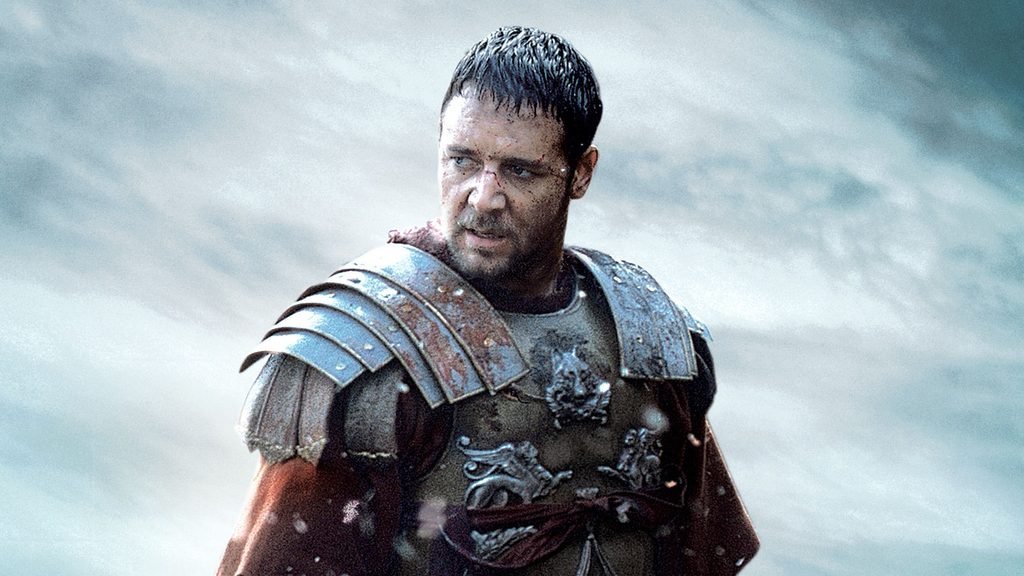
Maximus isn’t introduced as someone who wants power.
That’s important.
At the beginning of Gladiator, he already has what many characters spend an entire movie trying to obtain. He’s a respected Roman general, a victorious commander and a man trusted by Emperor Marcus Aurelius.
But Maximus doesn’t seem particularly interested in becoming emperor.
He wants something much simpler:
To go home.
That makes his eventual transformation so powerful.
When Commodus betrays his father and attempts to destroy Maximus, the general loses almost everything — his position, his family and eventually his freedom.
But he doesn’t lose his identity.
That’s the heart of Maximus.
He can lose his army.
He can lose his home.
He can become a slave.
But he refuses to become the person his enemies want him to become.
From Roman General to Gladiator
This is where Gladiator turns Maximus into something more than a conventional action hero.
He’s not simply fighting because he’s strong.
He’s fighting because he has something to live for — and something to avenge.
The transformation from General Maximus to Gladiator Maximus gives the movie its central emotional engine.
He enters the arena as a man who has been stripped of his former identity.
And then the arena gives him something unexpected:
a new kind of power.
The crowd doesn’t know his history at first.
They don’t know that he’s a general.
They don’t know what he has lost.
They simply see a man who refuses to die.
And slowly, the audience inside the movie begins to recognize what the audience outside the movie already understands:
Maximus is different.
“Are You Not Entertained?” Became Bigger Than the Scene
Few movie moments demonstrate Maximus’s cultural impact better than his confrontation with the crowd after a brutal arena battle.
His famous challenge —
“Are you not entertained?”
— became one of the most recognizable movie quotes of the modern era.
But the line works because of everything that comes before it.
Maximus isn’t asking whether the audience enjoyed the show.
He’s exposing the cruelty of the entire spectacle.
Rome wants blood.
Maximus gives them victory — but refuses to become their victim.
That contradiction is what makes the moment memorable.
And it helped turn Maximus from a character in a historical epic into an iconic movie character.
Why Maximus Feels Bigger Than Gladiator
The strange thing about Maximus is that you can remove him from the movie and the story almost disappears.
Take away the Roman setting.
Take away the Colosseum.
Take away the political intrigue.
Take away the battles.
What remains is a story about a man who loses everything and chooses to keep his principles.
That’s why Maximus works beyond the historical setting.
You don’t have to care about ancient Rome to understand him.
You don’t have to know Roman history.
You don’t even have to be interested in sword-and-sandal movies.
The character is built around emotions that are universal:
grief.
betrayal.
revenge.
leadership.
family.
honor.
And ultimately, letting go.
Maximus Wasn’t the Typical Action Hero
This is another reason the character became so memorable.
Maximus isn’t constantly trying to prove that he’s the strongest person in the room.
In fact, some of his most powerful moments are quiet.
He remembers his wife and son.
He thinks about home.
He talks about his family.
He questions the world around him.
And even when he fights, his objective isn’t glory.
He’s trying to survive long enough to confront the man who destroyed his life.
That vulnerability gives the character something many action heroes lack:
emotional weight.
Maximus can swing a sword.
But what makes audiences care is that he has something worth fighting for.
The Power of “Strength and Honor”
Maximus’s philosophy can essentially be reduced to two words:
Strength and honor.
They’re not just characteristics.
They’re the principles that guide his decisions.
And that’s why the character became so quotable.
Maximus doesn’t need elaborate speeches to communicate what he believes. His actions repeatedly reinforce the same idea: power without integrity is meaningless.
Commodus has authority.
Maximus has respect.
Commodus has the throne.
Maximus has loyalty.
Commodus wants to be loved.
Maximus earns it.
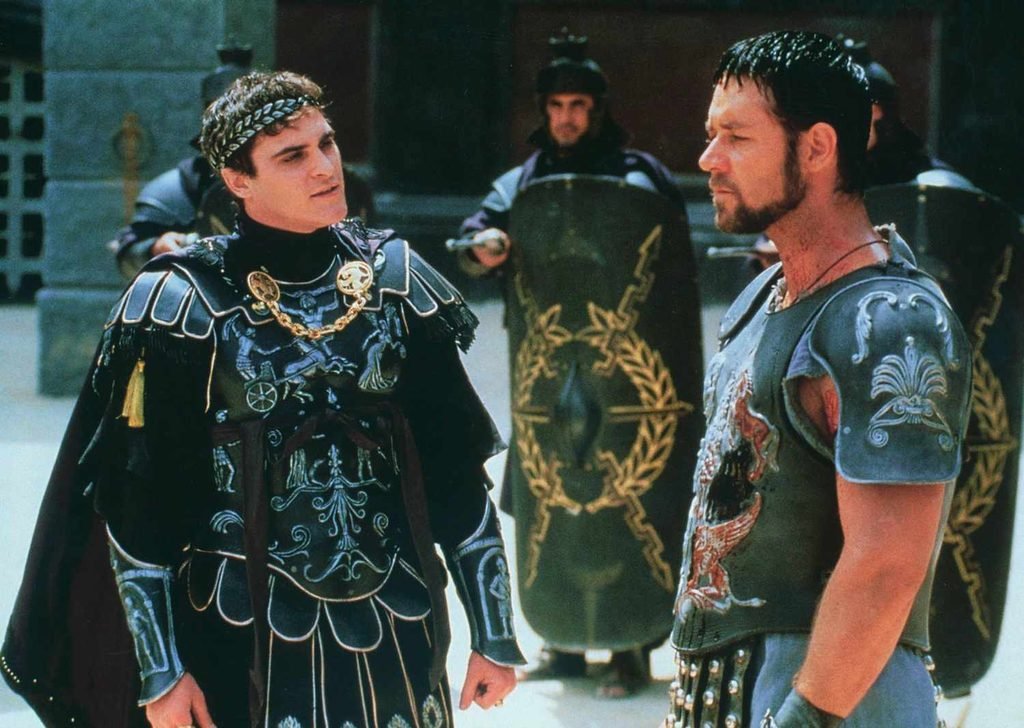
That contrast is one of the reasons the rivalry between the two characters remains so effective.
Maximus vs. Commodus: Why the Villain Made the Hero Stronger
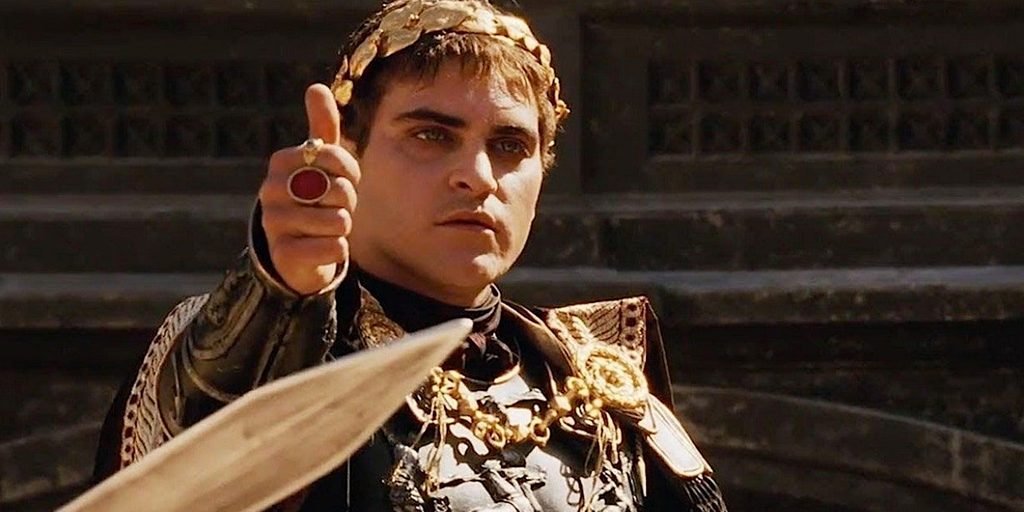
A great protagonist often needs a great antagonist.
Maximus had one in Commodus.
Played by Joaquin Phoenix, Commodus represents almost everything Maximus rejects.
He craves power without earning respect.
He wants admiration without deserving it.
And most importantly, he sees authority as something he is entitled to.
Maximus sees leadership differently.
That makes their conflict more than a simple hero-versus-villain battle.
It’s a conflict between two ideas of power.
One man wants people to obey him.
The other makes people want to follow him.
And that distinction is crucial to understanding why Maximus became such an enduring character.
The Final Scene Changed Everything
The ending of Gladiator is one of the reasons Maximus’s story has remained emotionally powerful.
After spending the entire movie trying to return home, Maximus finally gets what he wanted — but not in the way he imagined.
His journey comes full circle.
The warrior who began the film dreaming of his family ends it moving toward them.
The revenge story becomes something else.
A story about peace.
That’s why the final moments don’t feel like a conventional action-movie victory.
Maximus doesn’t win by surviving forever.
He wins by finishing his journey.
Why People Still Search for Maximus Decimus Meridius
There’s another fascinating part of Maximus’s legacy: the character remains highly searchable decades after the film’s release.
People still look for:
- Maximus Decimus Meridius quotes
- Gladiator Maximus quotes
- Russell Crowe Gladiator
- “Are you not entertained?”
- Strength and honor Gladiator
- Maximus Gladiator ending
- Gladiator character analysis
- Is Maximus based on a real person?
- Maximus Decimus Meridius meaning
- Gladiator best scenes
That’s an important distinction.
People aren’t simply searching for the movie.
They’re searching for the character.
And that’s exactly when a fictional character becomes bigger than the work that introduced them.
Maximus Became a Symbol, Not Just a Character
There are countless movie protagonists.
Very few become shorthand for an entire set of values.
For many viewers, Maximus represents the idea that losing power doesn’t mean losing dignity.
That’s why images of Maximus, his quotes and his speeches continue to circulate online.
His story can be turned into a motivational post.
A meme.
A quote.
A video edit.
A leadership lesson.
A discussion about masculinity.
A conversation about revenge.
A film-school analysis.
Or simply a nostalgic reminder of one of the greatest historical epics ever made.
The character has escaped his original context.
And that’s the ultimate sign of cultural longevity.
So, Did Maximus Become Bigger Than Gladiator?
In a strange way, yes.
Gladiator gave Maximus his world.
But Maximus gave Gladiator its identity.
Without the Roman Empire, the Colosseum and the spectacular battles, the movie would still be a historical drama.
Without Maximus, there is no emotional reason to care about any of it.
That’s why more than 20 years later, people may forget individual plot details from Gladiator.
But they remember the man.
Maximus Decimus Meridius.
General.
Gladiator.
Husband.
Father.
Leader.
And, ultimately, a man who chose strength and honor when the world around him chose power.
That’s why he didn’t simply become one of cinema’s memorable characters.
He became the face of the movie itself.
Stay ahead of the latest entertainment trends with Fandomora, your go-to source for breaking movie news, web series updates, anime releases, gaming trends, celebrity news, and music updates. Discover in-depth reviews, OTT release dates, anime guides, gaming walkthroughs, and curated entertainment lists featuring the best from around the world. From trending releases to must-watch recommendations, Fandomora keeps you informed and entertained.
About The Author