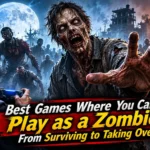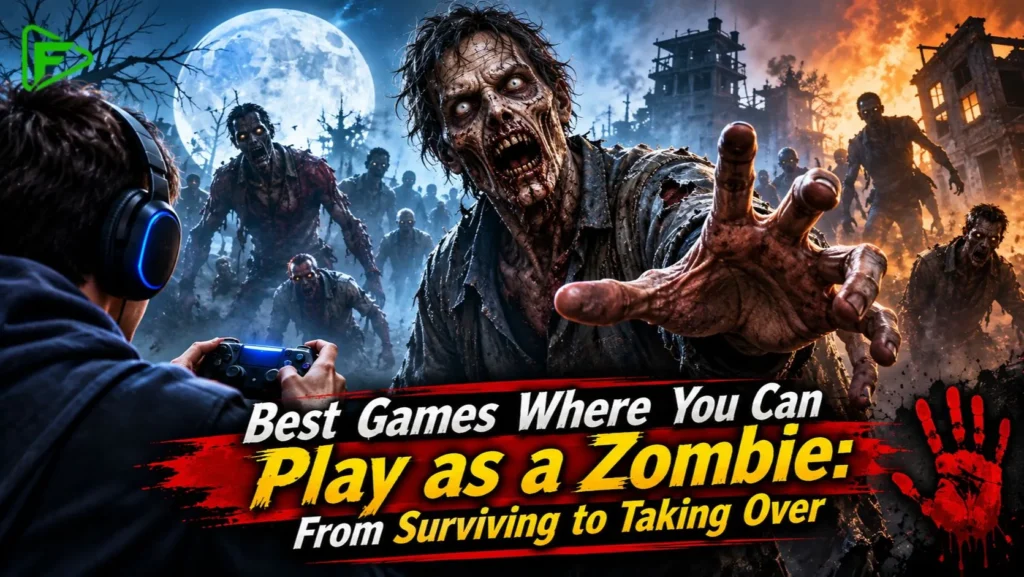
Best Games Where You Can Play as a Zombie: From Stubbs to Stupid Never Dies
Zombies have been a familiar part of video game history for decades, but most titles give players one simple objective: survive the undead or eliminate as many of them as possible. They usually appear as enemies, background threats or members of an endless horde. Playing as one, however, offers a very different experience.
That idea is at the centre of a question explored by A.V. Club writer William Hughes in his October 31, 2026 feature, Undead, Not Fun-Dead: A Brief History of the Playable Zombie in Video Games. The article looks at how different games have approached the undead protagonist, from the deliberately ridiculous action of Stubbs the Zombie in Rebel Without a Pulse to the unusual multiplayer world of Urban Dead.
The discussion also arrives at an interesting moment for zombie gaming. Stupid Never Dies, a new action RPG from GPTRACK50, puts a zombie named Davy at the centre of its adventure. But simply making an undead character playable does not automatically capture what makes being a zombie interesting.
Here is a closer look at the games that have explored the idea and why some of them offer a more convincing undead experience than others.
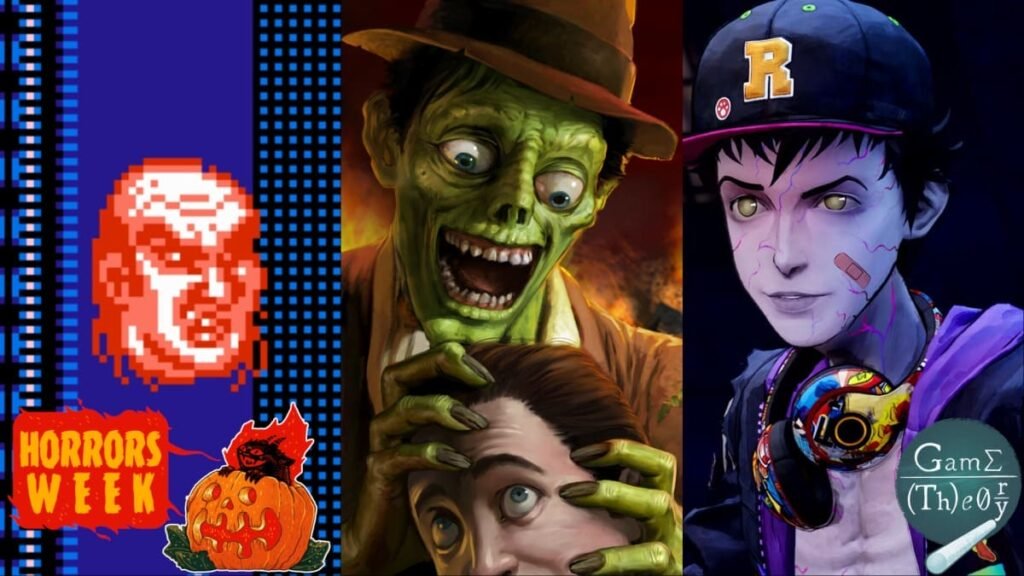
Why Are Playable Zombies So Unusual in Video Games?
In most zombie games, the undead exist to create danger. They shuffle through abandoned streets, attack survivors and force players to manage ammunition, health and escape routes. Their purpose is generally straightforward: they are obstacles for the human protagonist to overcome.
Playing as a zombie changes that relationship. Instead of running away from the horde, players become part of it. The experience can involve spreading an infection, attacking human settlements, surviving as an undead creature or exploring a world in which the living are no longer in control.
However, there is a difference between controlling a character who happens to be undead and actually experiencing zombie-like gameplay. A fast-moving hero with a complete set of conventional action abilities may look like a monster, but the mechanics can still feel like a standard action game.
That distinction is important to the discussion in A.V. Club’s feature. The strongest examples are not necessarily the games with the most elaborate zombie designs. They are the ones that build the undead identity into the way players interact with the world.
Stubbs the Zombie in Rebel Without a Pulse: A Classic Playable Zombie Adventure
One of the clearest examples is Stubbs the Zombie in Rebel Without a Pulse, originally released in 2005 by Wideload Games.
Rather than asking players to protect a town from an undead invasion, the game puts them in control of Stubbs, a zombie wandering through a retro-futuristic version of a 1950s American city. His journey revolves around attacking living residents, consuming brains and turning other people into zombies.
The premise gives the game an immediate identity. Stubbs is not a human survivor with a few zombie-inspired abilities. His undead condition is the foundation of the entire experience.
His abilities also reflect that premise. Instead of relying exclusively on conventional weapons, Stubbs uses his body and zombie powers to attack enemies and spread the outbreak. The humour comes from treating the familiar horror-movie monster as the central character rather than the threat waiting around the next corner.
Fandomora highlights the game’s straightforward commitment to its zombie concept. Stubbs is not constantly delivering jokes or behaving like a conventional action hero. His simple personality and brain-focused approach make him feel closer to the classic movie zombie.
For players interested in classic playable zombie games, Stubbs the Zombie remains one of the most direct examples of the concept.
Urban Dead: When Playing as a Zombie Became a Multiplayer Experience
Not every memorable zombie game needs elaborate 3D graphics or a traditional action-combat system. Urban Dead, the browser-based multiplayer game created by Kevan Davis, approached the undead from a very different direction.
The game placed players in Malton, a quarantined city dealing with a zombie outbreak. Participants could join either the human survivors or the zombie side, creating an ongoing conflict between two groups with very different objectives.
Its simple presentation did not prevent the game from developing a surprisingly detailed community. Players organised rescue teams, hunted in-game criminals, collected resources and defended buildings against coordinated attacks. Zombie players could also work together to overwhelm human-controlled locations.
This made the undead experience about more than individual combat. The attraction was becoming part of a larger outbreak, where the actions of other players could influence whether a group survived or lost control of an area.
The game’s long history eventually came to an end. According to the official shutdown announcement from creator Kevan Davis, Urban Dead closed on March 14, 2025. The decision followed concerns about the UK’s Online Safety Act and the requirements it would place on the small, independently operated project.
Although it is no longer playable, Urban Dead remains an interesting example of how multiplayer zombie games can turn the fantasy of an undead apocalypse into a shared social experience.
Zombie Nation: A Very Different Take on the Undead
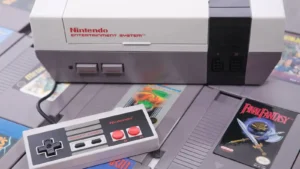
Released for the NES in 1990, Zombie Nation is one of the strangest entries in the history of playable zombie characters.
Instead of controlling a traditional zombie wandering through a city, players take control of a giant disembodied samurai head. The game sends this unusual protagonist flying across locations, including New York, while fighting an alien threat and destroying its monstrous creations.
Its premise is deliberately bizarre, but that is precisely what makes it memorable. The game takes the idea of an undead character and pushes it far beyond the familiar image of a human corpse searching for brains.
The Fandomora feature points to Zombie Nation as an example of how creative developers can reinterpret the zombie concept. It does not attempt to reproduce a traditional zombie film. Instead, it uses the undead identity as a starting point for an unusual arcade experience.
For anyone exploring the history of retro zombie video games, it is a reminder that the genre has always had room for strange ideas.
Stupid Never Dies: Can a New Zombie Hero Make the Concept Fun Again?
The arrival of Stupid Never Dies gives the playable-zombie discussion a contemporary example. Developed by GPTRACK50, a studio founded by veteran game producer Hiroyuki Kobayashi, the action RPG follows Davy, a weak zombie who becomes involved in an increasingly strange adventure.
Davy falls in love with Julia, a human girl whose body is frozen, and sets out to find a way to bring her back. His journey eventually puts him against the King of Monsters, giving the game a larger conflict beyond its unusual romantic premise.
The title launched on October 21, 2026, for PC through Steam and PlayStation 5. Its official website describes it as a single-player action RPG built around rapid character growth, monster abilities and customisation.
How Does Stupid Never Dies Play?
Davy’s undead condition is closely connected to the game’s combat systems. Rather than focusing on traditional defensive techniques, the game encourages players to attack enemies and use their abilities to become stronger.
One of its central mechanics allows Davy to consume defeated monsters and acquire their powers. Depending on the creature, he can gain individual abilities or transform into different monster forms, including werewolf-like and other supernatural styles.
The game also features a body-customisation system that lets players replace parts of Davy’s body with equipment. These mechanics give the character a flexible combat style and make monster transformations a central part of progression.
The official Stupid Never Dies website provides the game’s premise, platforms and gameplay details. It is also the best source for checking current information about the title.
Why Did Fandomora Question Its Zombie Appeal?
Despite the unusual concept,Fandomora ‘s William Hughes was not fully convinced by the game’s opening hours.
His criticism focuses on the number of systems competing for the player’s attention. The monster transformations and roguelike progression offer interesting ideas, but the large collection of upgrades and numerical improvements can make the experience feel overloaded.
There is also a question of identity. If players spend much of their time using alternative monster forms, the experience may feel less like controlling a zombie and more like playing a conventional action RPG with a collection of supernatural abilities.
That is a useful distinction when judging zombie protagonist games. A game can feature an undead lead character and still struggle to make the player feel like a zombie.
A separate review by GamesRadar+ also points to the gap between the game’s creative presentation and its combat execution. The review praises its pop-punk visual style and monster transformations but criticises issues with combat, progression balance and the usefulness of several forms.
The result is an interesting game with a distinctive identity, even if its ambitious systems do not work equally well in every situation.
Left 4 Dead and the Difference Between Playing as a Zombie and Being One
Valve’s Left 4 Dead series also enters the conversation, particularly through its versus multiplayer modes.
These modes allow players to control special infected creatures and attack the human survivors. That creates a different kind of multiplayer match, where one team tries to escape while the other uses the infected characters’ abilities to stop them.
It is an entertaining way to experience the zombie side of a familiar survival-horror setup. However, the special infected are not always representative of the slow, instinct-driven creatures commonly associated with traditional zombie fiction.
Some infected move quickly, coordinate attacks or use specialised abilities. The result is closer to controlling a collection of supernatural enemies than becoming part of a conventional shambling horde.
That does not make the gameplay less enjoyable. It simply shows that playing as an infected enemy and experiencing the traditional zombie fantasy are not always the same thing.
Evil Dead: The Game and the Appeal of Controlling the Undead
Asymmetric multiplayer horror games have also experimented with letting players control the forces attacking human survivors.
Evil Dead: The Game is one example. Its multiplayer structure allows a player to take control of the Kandarian Demon, using its powers to threaten survivors and summon or possess enemies.
Fandomora’s feature specifically discusses the appeal of controlling individual Deadites in the game’s multiplayer experience. Rather than always being the hero trying to escape, players can take the opposing side and become part of the supernatural threat.
This approach gives the undead and demonic side a different kind of agency. The player is not simply controlling one monster in a traditional campaign; they are actively trying to disrupt the survivors’ plans.
The game also illustrates why asymmetric horror can be an effective format for monster-based multiplayer. Both sides have different objectives, and the tension comes from how their abilities interact.
What Makes a Great Playable Zombie Game?
Looking across these titles, there is no single formula for creating an enjoyable zombie protagonist. Some games focus on physical transformation, others on spreading an outbreak, and some use multiplayer systems to make players part of a larger undead population.
A few design ideas, however, help explain why certain examples stand out.
The Undead Identity Should Matter to Gameplay
A zombie protagonist should not feel like a standard human character with a different appearance. The undead condition can influence movement, attacks, health systems, interactions with other characters and the way the world responds.
Stubbs the Zombie is a strong example because its central mechanics are directly tied to the character’s undead nature.
The Game Should Offer More Than a Zombie Skin
Transformations and special abilities can make a game more interesting, but they should support its central concept rather than distract from it.
Stupid Never Dies demonstrates both the potential and the challenge of this approach. Its monster-eating and body-customisation systems give Davy plenty of options, but too many competing mechanics can weaken the feeling of playing as a zombie.
Multiplayer Can Make the Horde Feel Real
Zombie fiction often relies on the scale of an outbreak. A single undead creature may not be especially threatening, but a coordinated group can overwhelm an entire settlement.
Urban Dead captured this idea through player communities, while Left 4 Dead and Evil Dead: The Game explored different forms of multiplayer conflict between survivors and monsters.
Final Verdict: The Best Zombie Games Understand the Monster
The history of playable zombies is more varied than it might initially appear. Stubbs the Zombie offers a direct, humorous interpretation of the undead protagonist. Urban Dead turned the zombie apocalypse into a long-running multiplayer community. Zombie Nation demonstrated how far developers could push the concept, while Left 4 Dead and Evil Dead: The Game explored the appeal of controlling the enemy side.
Stupid Never Dies adds a modern action-RPG interpretation, built around transformations, monster abilities and rapid progression. Its ambitious design makes it an interesting addition to the conversation, even though Fandomora s early impressions raise questions about whether all those systems strengthen its zombie identity.
Ultimately, the most memorable playable-zombie games understand that being undead should mean something beyond appearance. The fun comes from giving players a different way to move through, interact with and sometimes completely disrupt the world.
Frequently Asked Questions
1. What are the best games where you can play as a zombie?
Some notable examples include Stubbs the Zombie in Rebel Without a Pulse, Urban Dead, Zombie Nation, and Stupid Never Dies. Each approaches the playable-zombie concept differently, from action and arcade gameplay to multiplayer survival.
2. Is Stubbs the Zombie a playable zombie game?
Yes. Stubbs the Zombie in Rebel Without a Pulse puts players in control of Stubbs, an undead character who attacks living residents and uses zombie abilities throughout the adventure. It originally launched in 2005.
3. What is Stupid Never Dies about?
Stupid Never Dies is an action RPG developed by GPTRACK50. It follows Davy, a weak zombie who tries to revive Julia, a frozen girl he has fallen in love with. Its gameplay features monster transformations, enemy-consuming abilities and customisable body parts.
4. Is Stupid Never Dies available on PC and PS5?
Yes. The game launched on October 21, 2026, for PC through Steam and PlayStation 5. Release information is available through the official game website.
5. Can you still play Urban Dead?
No. The original browser-based game closed on March 14, 2025. Its creator, Kevan Davis, announced the shutdown because of concerns about complying with new UK online safety and age-verification requirements.
6. Can you play as zombies in Left 4 Dead?
Yes. The versus modes in Left 4 Dead allow players to control special infected characters and attack the human survivor team. The experience is different from controlling a traditional slow-moving zombie, but it offers a direct way to play on the infected side.
Stay updated with the latest trends on Fandomora — your go-to destination for breaking movie news, web series updates, anime releases, gaming trends, celebrity insights, and music updates. Explore reviews, OTT release dates, anime guides, gaming walkthroughs, and curated lists to discover the best in global entertainment.
About The Author