


































Oscars 2026: Cinema in the Shadow of War — How a Fractured World Shaped Hollywood’s Biggest Night
The Oscars 2026 winners and nominees reflected a world shaped by conflict, uncertainty and moral complexity. From One Battle After Another dominating the night to Sinners emerging as one of the most talked-about films, the 98th Academy Awards revealed how global tensions and political anxieties influenced modern storytelling. This detailed analysis breaks down the complete Oscars 2026 winners and nominees list across all major categories, exploring how themes of war, ideology, grief and survival shaped Hollywood’s biggest night. More than just an awards ceremony, Oscars 2026 became a cultural reflection of cinema in the shadow of global conflict.

The 98th Academy Awards unfolded at a time when global headlines sounded eerily like war bulletins—conflicts in the Middle East, the lingering war in Ukraine, and rising geopolitical polarization. Against this tense backdrop, the Oscars did not simply celebrate cinema; they reflected the anxieties of a divided world.
In many ways, Oscars 2026 became a cultural mirror, where themes of conflict, moral ambiguity, grief, and survival dominated both the nominees and the winners. The biggest triumphs of the night—One Battle After Another and Sinners—felt less like entertainment victories and more like artistic responses to a world living in the shadow of war.
The ceremony ultimately confirmed a striking pattern: stories about power, guilt, history, and survival resonated more deeply than spectacle.
Best Picture Category: Stories of Power, Resistance and Memory

Poster of the best film category winner 'One Batlle after another'
Winner
One Battle After Another
Nominees
-
Bugonia
-
F1
-
Frankenstein
-
Hamnet
-
Marty Supreme
-
The Secret Agent
-
Sentimental Value
-
Sinners
-
Train Dreams
Analysis
The victory of One Battle After Another symbolized a deeper trend: cinema exploring the psychology of conflict rather than the spectacle of it. The film, which ultimately won six Oscars, examines ideological obsession and the aftermath of political struggle.
Meanwhile, Sinners—the most nominated film with 16 nominations—captured audiences with a darker moral narrative about guilt and redemption.
The broader Best Picture lineup revealed a fascinating pattern:
-
historical grief (Hamnet)
-
political espionage (The Secret Agent)
-
existential horror (Frankenstein)
Together, they reflected a cinematic world grappling with uncertainty—much like the geopolitical climate surrounding the ceremony.
Best Director
Winner
Paul Thomas Anderson — One Battle After Another
Nominees
-
Ryan Coogler — Sinners
-
Chloé Zhao — Hamnet
-
Josh Safdie — Marty Supreme
-
Joachim Trier — Sentimental Value
Analysis
Paul Thomas Anderson’s direction emphasized ideological warfare within human psychology. Rather than presenting conventional heroes and villains, the film portrays characters trapped in cycles of political obsession—mirroring the polarised world audiences currently inhabit.
Best Actor


Winner
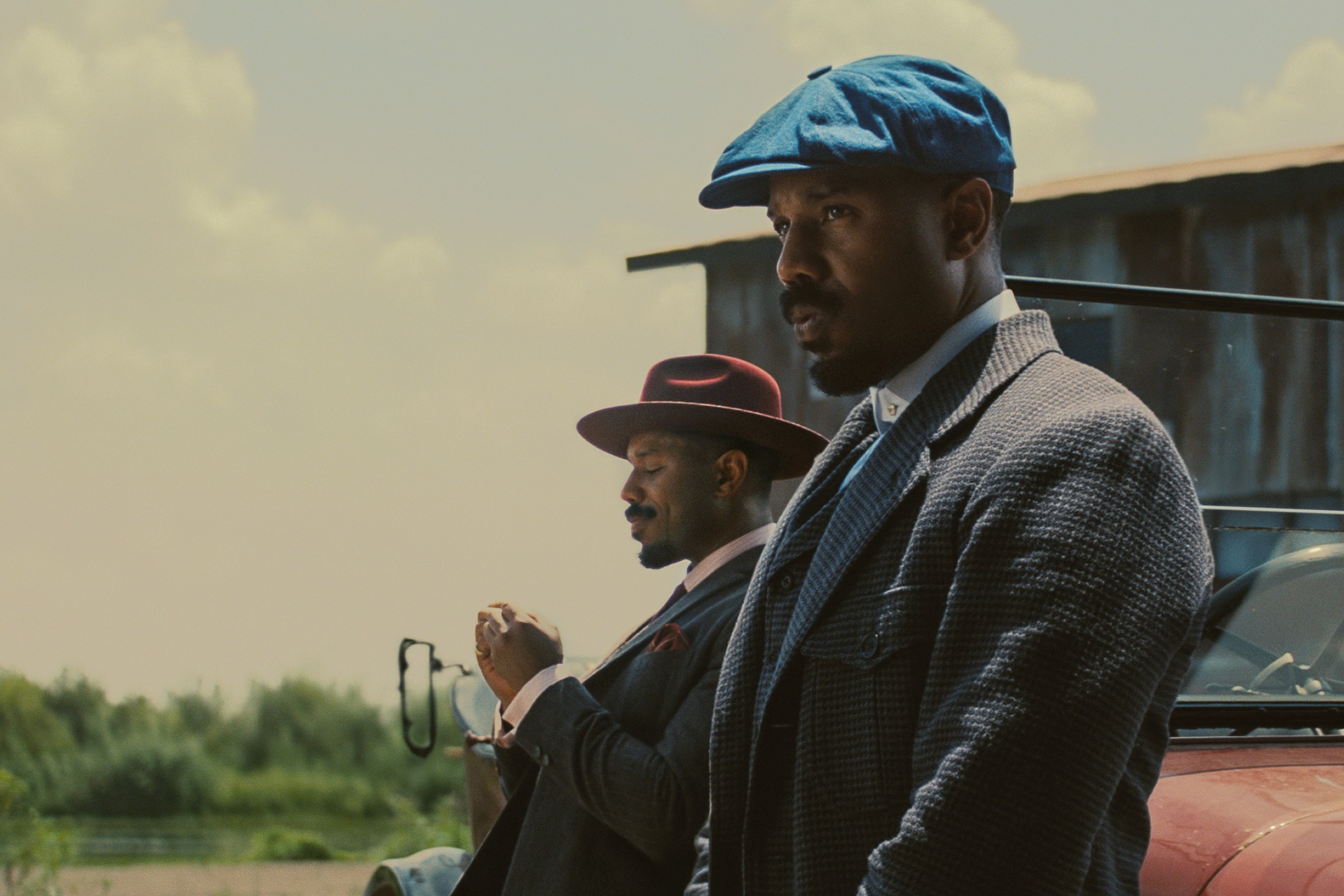
Michael B. Jordan — Sinners
Nominees
-
Timothée Chalamet — Marty Supreme
-
Leonardo DiCaprio — One Battle After Another
-
Ethan Hawke — Blue Moon
-
Wagner Moura — The Secret Agent
Analysis
Michael B. Jordan’s performance as conflicted twin brothers in Sinners showcased the moral duality of modern storytelling—a theme increasingly prevalent in global cinema.
The Academy’s choice suggests audiences are drawn to complex protagonists navigating ethical chaos, reflecting real-world geopolitical ambiguity.
Best Actress
Winner
Jessie Buckley — Hamnet
Nominees
-
Rose Byrne — If I Had Legs I’d Kick You
-
Renate Reinsve — Sentimental Value
-
Emma Stone — Bugonia
-
Kate Hudson — Song Sung Blue
Analysis
Hamnet explores grief in the shadow of plague-era tragedy, yet its emotional core resonates with modern audiences experiencing collective trauma—from pandemics to wars.
Buckley’s victory symbolized the Academy’s preference for intimate human stories amid global chaos.
Supporting Acting Categories
Best Supporting Actor
Sean Penn — One Battle After Another
Nominees
-
Benicio Del Toro — One Battle After Another
-
Delroy Lindo — Sinners
-
Stellan Skarsgård — Sentimental Value
-
Jeremy Strong — The Apprentice
Analysis
Sean Penn’s role as a military officer trapped in ideological conflict reinforced the film’s central theme: war does not end on battlefields—it continues within people.
Best Supporting Actress
Amy Madigan — Weapons
Analysis
Madigan’s unexpected win for a horror film highlights a shift in Academy tastes. Horror—often dismissed historically—has increasingly become a vehicle for political allegory and societal anxiety.
Screenplay Awards
Best Original Screenplay
Ryan Coogler — Sinners
Best Adapted Screenplay
One Battle After Another
Analysis
The screenplay wins reveal a compelling dichotomy:
-
Sinners examined moral corruption and redemption.
-
One Battle After Another explored political ideology and personal obsession.
Together they represent cinema’s growing interest in psychological warfare rather than physical conflict.
Technical and Craft Categories
Best Cinematography
Sinners
Best Film Editing
One Battle After Another
Best Production Design
Frankenstein
Best Costume Design
Frankenstein
Best Makeup & Hairstyling
Frankenstein
Analysis
The technical wins reveal Hollywood’s balancing act:
-
visually grand cinema (Frankenstein)
-
narratively intense drama (Sinners)
While spectacle remains important, the Academy clearly prioritized story-driven filmmaking.
International and Documentary Categories
Best International Feature
Sentimental Value (Norway)
Best Documentary Feature
Mr. Nobody Against Putin
Analysis
These categories perhaps most directly reflected the geopolitical moment.
The documentary Mr. Nobody Against Putin directly engages with authoritarian power structures, showing how cinema continues to function as a form of political testimony.
Meanwhile, Sentimental Value emphasized the importance of international voices in global storytelling.
Animation, Music and Visual Spectacle
Best Animated Feature
KPop Demon Hunters
Best Original Song
“Golden” — KPop Demon Hunters
Best Visual Effects
Avatar: Fire and Ash
Best Sound
F1
Analysis
Even lighter genres echoed the broader cultural mood.
Animation and spectacle offered escapism, yet their narratives still carried themes of identity, heroism and resistance.
The Deeper Meaning of Oscars 2026
The defining battle of the night was not between individual films but between two cinematic philosophies:
-
Narrative realism (One Battle After Another)
-
Moral mythmaking (Sinners)
Both films examined humanity’s struggle with power, guilt, and history—echoing the anxieties of a world navigating multiple conflicts simultaneously.
In the end, the Academy’s choices suggested something profound:
Cinema in 2026 is no longer merely entertainment.
It has become a cultural response to instability—a way for society to process fear, ideology, and hope.
And perhaps that is why the Oscars felt different this year.
Because while wars rage across continents, stories remain humanity’s quietest yet most enduring resistance.
What's Your Reaction?