













The Mask – Only Carrey Could Carry
Discover how Jim Carrey’s rubber-face performance and cartoon-inspired effects made The Mask the greatest soft dark comedy ever. Why millennials want a sequel now.
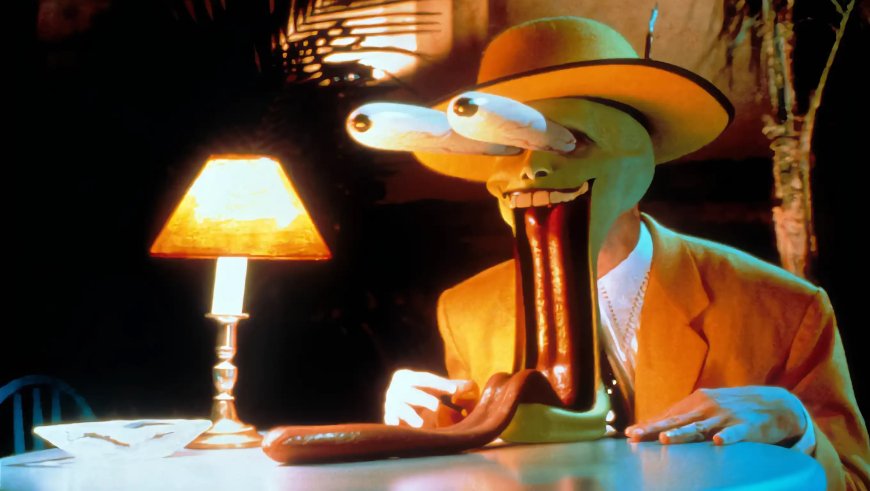
Few films have managed to blend cartoon physics, dark comedy, romance, and groundbreaking visual effects as seamlessly as The Mask (1994). Even after three decades, millennials still quote its iconic lines, mimic its expressions, and secretly hope for a worthy sequel.
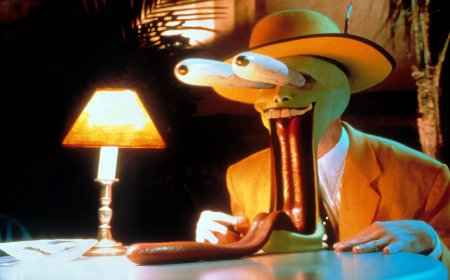
Jim Carrey didn’t just play Stanley Ipkiss — he became a living cartoon, channeling the spirit of Bugs Bunny and Daffy Duck into a performance that still feels unmatched in cinematic history.
In an era now dominated by Artificial Intelligence and algorithm-driven creativity, audiences are rediscovering something refreshingly human: Carrey’s “natural stupidity” — the raw, uninhibited physical comedy that CGI alone cannot replicate.
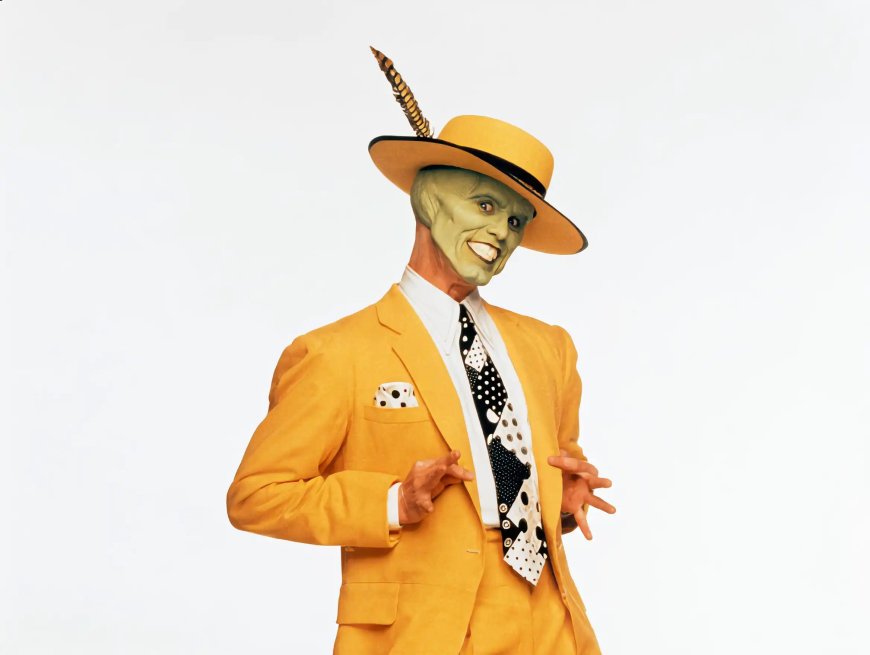
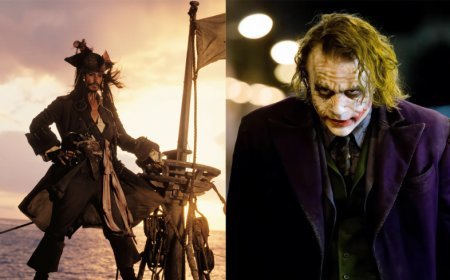
The stupid comedy of a comedy Anti-Hero still can't find paralells
Why The Mask Remains the Ultimate Soft Dark Comedy
Unlike typical slapstick comedies, The Mask explored dual identity, suppressed desire, and moral chaos beneath its colorful humor. Stanley Ipkiss is a shy bank clerk who becomes a chaotic anti-hero once he dons Loki’s mystical mask.
The film cleverly balances:
- Cartoon absurdity
- Noir-inspired storytelling
- Romantic fantasy
- Dark comedic undertones
Carrey’s portrayal made the character both lovable and dangerously unpredictable, creating what many critics call the first mainstream “soft dark comedy” blockbuster.
The film’s tone subtly hints at the psychological theme:
“The mask doesn’t create chaos — it reveals the chaos already inside.”
Jim Carrey’s Rubber Face: A Special Effect Before CGI
Before modern CGI took over Hollywood, Jim Carrey himself was the primary visual effect.
Director Chuck Russell revealed that many exaggerated expressions were performed practically because Carrey’s facial elasticity surpassed what early CGI could convincingly produce.
Inspired heavily by Looney Tunes, the creative team intentionally mimicked exaggerated animation physics:
- Eyes bulging like Bugs Bunny
- Jaw drops reminiscent of Daffy Duck
- Body stretching like Tex Avery cartoons
Carrey’s performance allowed VFX artists to enhance reality rather than fabricate it entirely, giving the film its timeless visual appeal.
Unheard Details About The Mask Most Fans Don’t Know
1. The Mask Was Originally a Horror Comic
The film is loosely based on Dark Horse Comics’ far more violent version, where the wearer becomes a brutal anti-hero.
Hollywood softened the tone, transforming it into a PG-friendly anarchic comedy without losing the edgy undertone.
2. Cameron Diaz Was Only 21 During Filming
The Mask marked the debut of Cameron Diaz, who landed the role despite having no prior acting experience.
Her iconic entrance scene remains one of the most memorable introductions in 90s cinema.
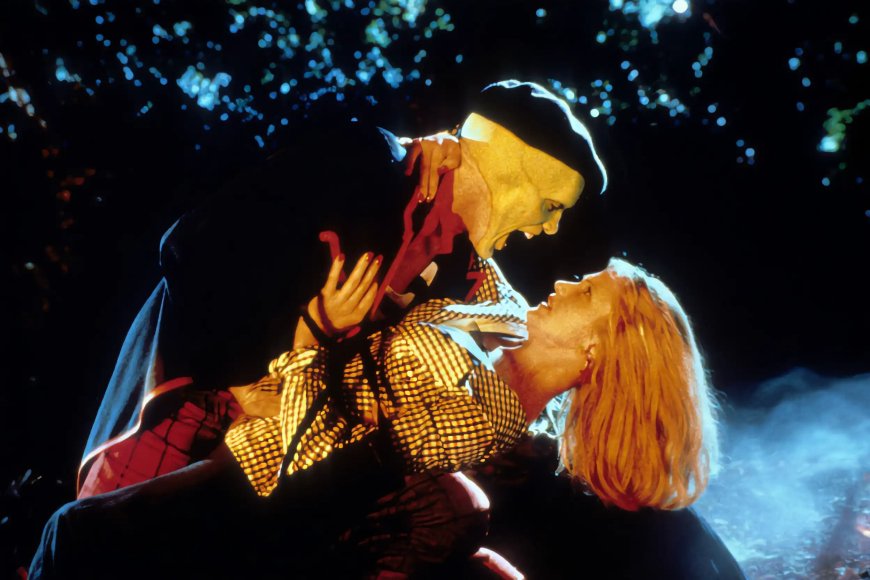
When a repoter's charms met a lunatic anti-hero
3. Jim Carrey Improvised Many Iconic Moments
Several unforgettable scenes were unscripted:
- The Cuban Pete dance
- The exaggerated wolf howl reaction
- Rapid-fire facial distortions
Carrey reportedly drew inspiration from silent film legends and classic animation timing.
4. Early CGI Limitations Made the Film More Creative
Because CGI was expensive in 1994, the team relied heavily on practical performance and minimal digital enhancement, which ironically made the film age better than many CGI-heavy movies of the era.
5. The Studio Never Fully Capitalized on the Franchise
Despite massive commercial success, the sequel Son of the Mask (2005) lacked Carrey’s involvement and failed to capture the original magic.
Many fans consider The Mask one of the most underutilized franchises in Hollywood history.
Millennials’ Love Affair with The Mask
For millennials, The Mask represents:
- Saturday cable nostalgia
- VHS era rewatch culture
- Meme-worthy expressions before memes existed
- A reminder of a time when comedy relied on performance rather than algorithms
The film’s GIF culture revival across social media shows how Carrey’s expressions were essentially pre-internet reaction memes.
Why the World Needs Jim Carrey’s Style of Comedy Again
In the Artificial Intelligence era, humor increasingly feels:
- overly polished
- data-driven
- creatively safe
Jim Carrey’s comedy style represents human unpredictability — a reminder that true humor lies in imperfection.
AI can generate jokes, but it cannot replicate:
- spontaneous physical absurdity
- expressive facial elasticity
- instinctive timing
The entertainment industry is now rediscovering the value of authentic comedic chaos.
A reinvented sequel could explore:
Artificial Intelligence vs Human Imagination
Algorithm vs Instinct
Synthetic wit vs Natural stupidity
Why a Sequel Could Be a Cultural Phenomenon
Modern VFX combined with Carrey’s physical mastery could create a film that merges:
- nostalgic emotional value
- cutting-edge visual storytelling
- viral meme potential
With superhero fatigue setting in, audiences crave fresh comedy IPs that feel both nostalgic and innovative.
The Mask franchise is perfectly positioned to become:
“Deadpool meets Roger Rabbit — with Jim Carrey’s chaos”
What's Your Reaction?