






























How Unpredictability & Spontaneity Made Hokum’s Casting and Dialogues More Effective
Discover how unpredictability and spontaneity shaped Hokum’s casting and dialogues, redefining realism in modern indie cinema storytelling.

How Unpredictability & Spontaneity Made Hokum’s Casting and Dialogues More Effective (And Why It Works Today)
In an era dominated by algorithm-driven storytelling and predictable character arcs, Hokum quietly proved something powerful: unpredictability and spontaneity can feel more truthful than perfection.
The film’s casting choices and loosely structured dialogues weren’t accidents — they were deliberate creative risks that shaped its realism, tone, and emotional impact.
This article breaks down how spontaneity worked behind the scenes and why it made Hokum stand out in modern indie cinema, film festivals, and serious cinephile conversations.
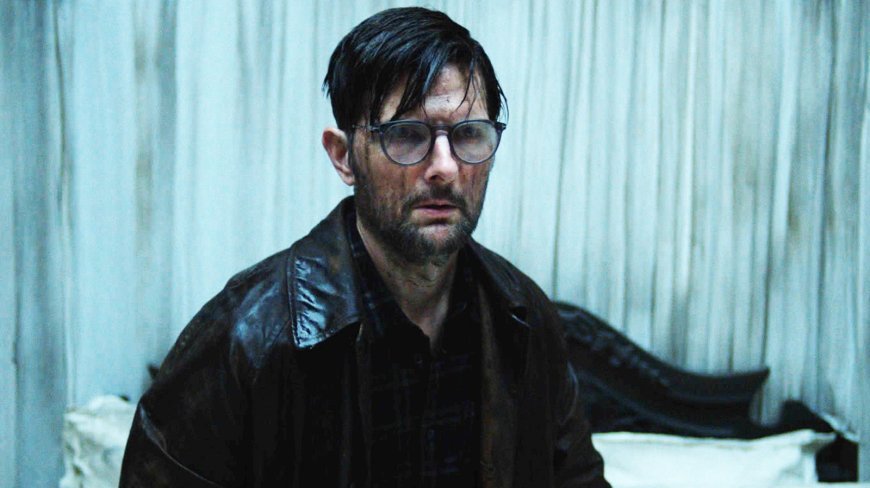
Why Hokum’s Casting Strategy Was Different
Casting Presence Over Performance
Unlike mainstream productions obsessed with flawless delivery, Hokum prioritized:
-
natural screen presence
-
authentic reactions
-
emotional instinct
Actors weren’t always chosen for polished auditions but for their ability to exist naturally within a scene — a technique increasingly popular in independent filmmaking trends.
Result: Characters feel less “performed” and more lived-in.
Chemistry Tests Over Solo Auditions
Instead of conventional casting processes, the filmmakers reportedly emphasized:
-
improvisational workshops
-
unscripted exchanges
-
emotional compatibility between actors
This created unexpected pairings and layered dynamics — making relationships onscreen feel organic rather than staged.
That unpredictability translated directly into stronger storytelling.
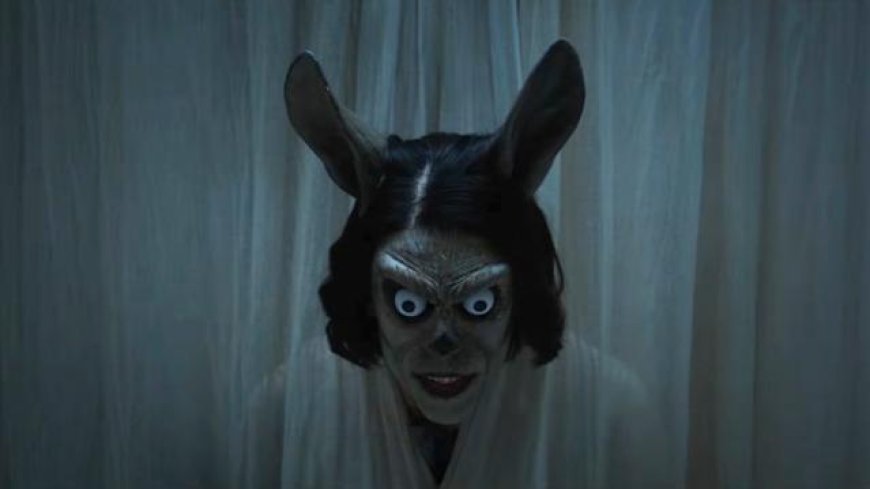
Emotion First, Words Later
Several scenes reportedly relied on emotional beats rather than rigid scripts.
Actors were told:
what their characters felt — not exactly what they should say.
This resulted in:
-
natural pauses
-
overlapping dialogue
-
imperfect phrasing
All of which made conversations feel more real than rehearsed perfection.
Controlled Chaos on Set
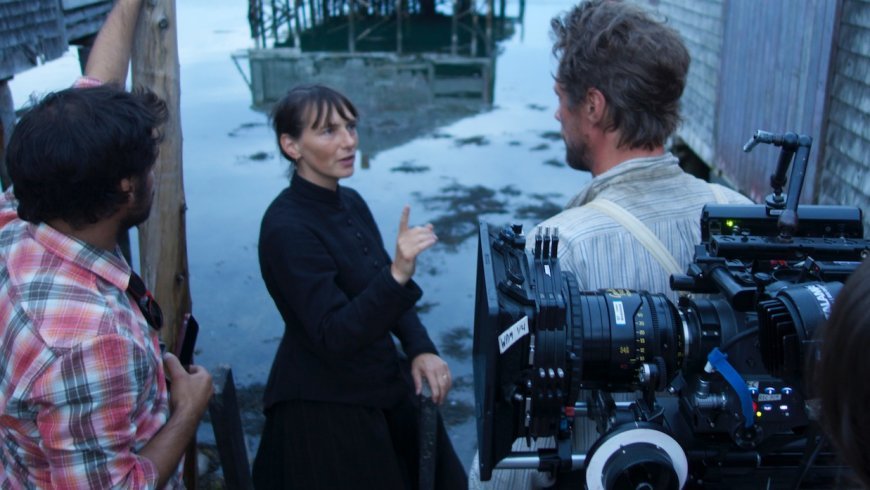
Spontaneity wasn’t random — it was controlled. Directors created space for unpredictability while guiding tone and rhythm.
This balance ensured:
-
narrative clarity
-
emotional authenticity
-
thematic consistency
Why This Approach Worked (And Why It’s Trending Now)
Audiences crave realism
Modern viewers increasingly prefer realistic acting styles, raw emotions, and subtle storytelling over melodrama.
Viral discourse favors authenticity
Clips of unscripted-feeling moments travel faster across platforms because they feel genuine.
Indie filmmaking thrives on risk
Films like Hokum show how unpredictability can become a creative strength rather than a liability.
The Real Lesson from Hokum
What makes the film unique isn’t just its narrative — it’s its process.
By embracing unpredictability and spontaneity in casting and dialogue, Hokum blurred the line between performance and reality.
And that’s precisely why it continues to resonate with cinephiles, critics, and storytelling purists alike.
What's Your Reaction?