
A truly great television season can make a series feel almost impossible to stop watching. The best seasons combine compelling storytelling, memorable characters, powerful performances, ambitious direction, and payoffs that make every episode feel meaningful.
For this best TV seasons ranked list, the ranking follows the source material’s central methodology: IMDb average season ratings, while also considering storytelling, character development, cultural impact, consistency, and how effectively each season delivers on its premise. IMDb ratings can change over time, so the numbers below should be treated as a snapshot rather than permanent scores. Community-created IMDb lists also use different methodologies, which can produce different rankings.
From Chernobyl and Breaking Bad to Attack on Titan, Arcane, Game of Thrones, Succession, and Mr. Robot, these are the 45 best TV seasons ranked from great to extraordinary.
45. Justified Season 6 — IMDb Average: 8.7/10

The sixth and final season of Justified is a fitting conclusion to one of television’s most entertaining neo-Westerns. Timothy Olyphant’s Raylan Givens remains at the center of a story packed with tension, unpredictable confrontations, sharp dialogue, and morally complicated characters. The season’s biggest strength is how naturally it brings the show’s long-running conflicts toward a conclusion without losing the personality that made Justified special.
44. The Pitt Season 1 — IMDb Average: 8.7/10

The Pitt immediately established itself as a compelling medical drama by focusing on the intense reality of a Pittsburgh emergency-room shift. Rather than relying solely on medical emergencies, the season gives its ensemble characters meaningful arcs and allows their relationships to drive much of the drama. Its grounded approach and strong performances helped make the first season one of the most acclaimed recent medical-drama seasons.
43. The Last of Us Season 1 — IMDb Average: 8.7/10

Adapting a beloved video game is notoriously difficult, but HBO’s The Last of Us largely avoided the problems that have historically affected video-game adaptations. Pedro Pascal and Bella Ramsey anchor a beautifully produced season that combines survival horror with intimate character drama. The first season works because it understands that the emotional relationship between Joel and Ellie is just as important as the post-apocalyptic world around them.
42. Andor Season 2 — IMDb Average: 8.7/10
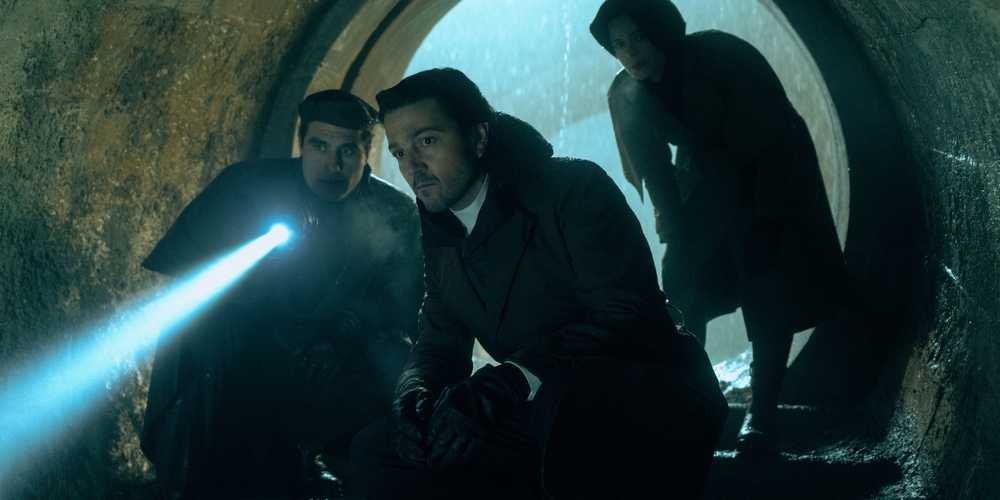
Andor proved that Star Wars could successfully embrace political drama, espionage, tragedy, and mature storytelling. Its second season expands those strengths while maintaining the show’s darker perspective on authoritarianism and rebellion. The season’s structure, emotional weight, and attention to political consequences make it considerably more than a conventional franchise adventure.
41. Shōgun Season 1 — IMDb Average: 8.7/10
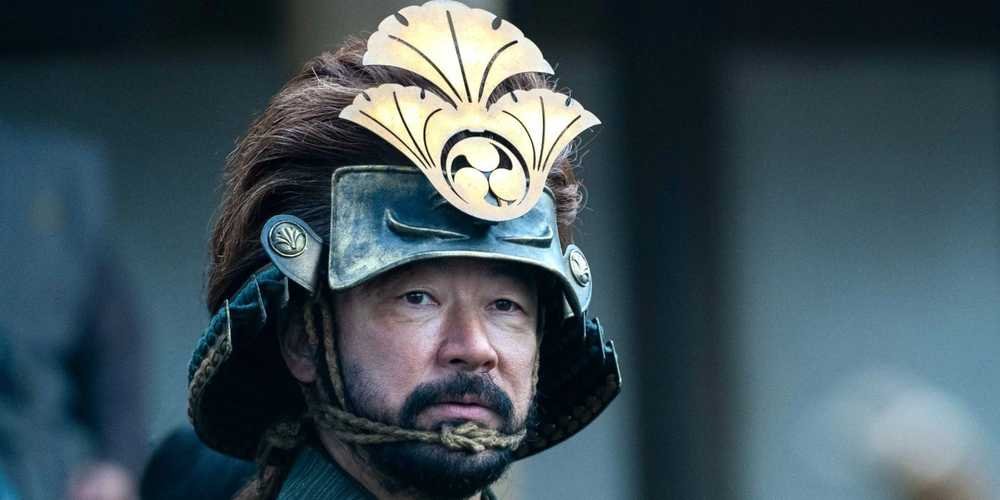
Shōgun arrived with enormous expectations and immediately demonstrated why historical drama can still feel fresh and cinematic. Its first season combines intricate political storytelling, impressive performances, detailed production design, and carefully constructed cultural conflicts. Rather than rushing through its story, the series allows its characters and power struggles to develop naturally, creating one of the strongest historical dramas of its era.
40. The Bear Season 2 — IMDb Average: 8.7/10

The second season of The Bear expands beyond the frantic restaurant environment of its debut while preserving the show’s distinctive energy. Carmy and his team receive more room for personal development, giving the season quieter emotional moments alongside the trademark chaos. Its combination of comedy, anxiety, family drama, and exceptional character writing makes Season 2 one of the show’s defining chapters.
39. Prison Break Season 1 — IMDb Average: 8.7/10

Few television premises are as immediately addictive as Prison Break. The first season follows Michael Scofield as he deliberately enters prison to help his wrongly accused brother escape. Its long-form suspense, escalating complications, character relationships, and cliffhangers make the debut season exceptionally bingeable. It remains one of television’s most effective examples of a high-concept thriller.
38. The Sopranos Season 6 — IMDb Average: 8.7/10
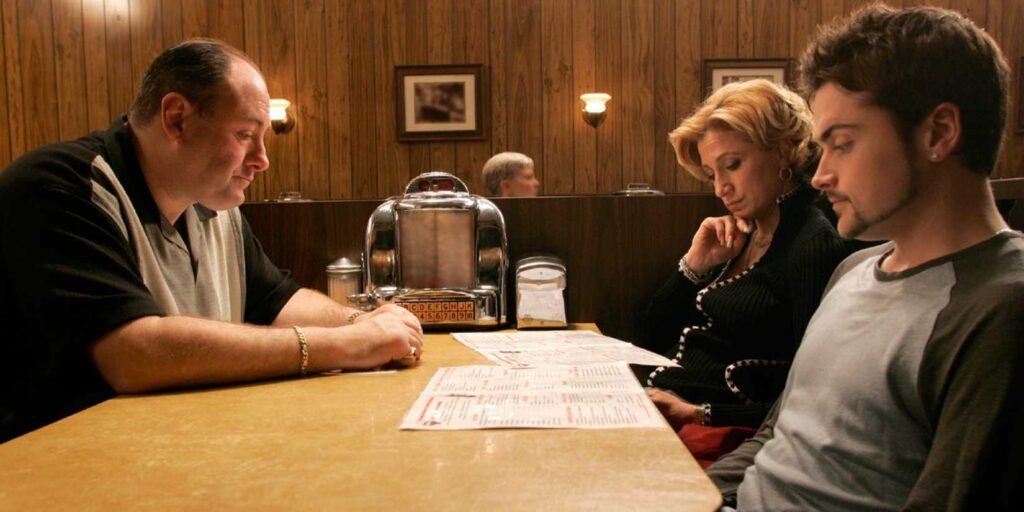
The final season of The Sopranos brings Tony Soprano’s story toward its famously divisive conclusion. Rather than simply increasing the action, the season becomes increasingly introspective, examining Tony’s identity, relationships, mortality, and place within his criminal world. Its willingness to become meditative and unpredictable makes the final season an essential part of the show’s legacy.
37. Supernatural Season 5 — IMDb Average: 8.8/10
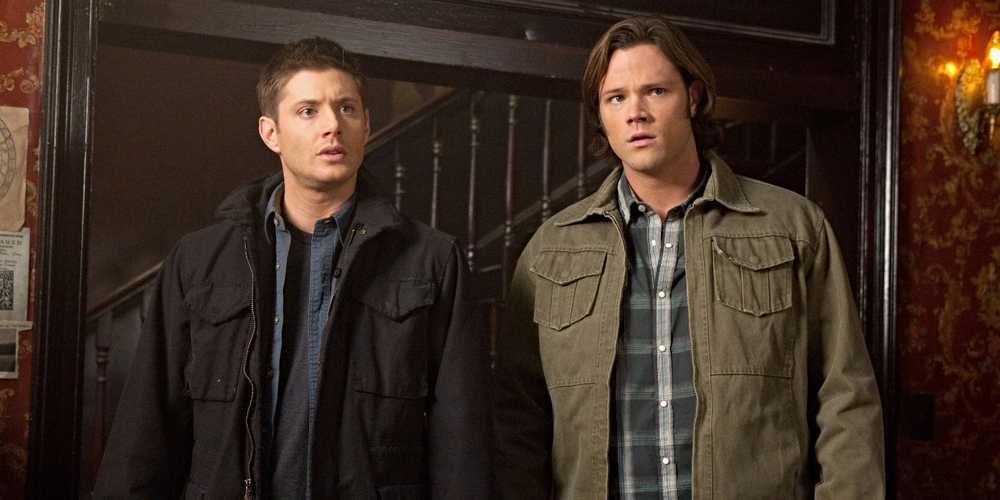
Season 5 of Supernatural has a special place in the show’s history because it was originally conceived as the conclusion to Eric Kripke’s central story. The season brings Sam and Dean Winchester into a larger supernatural conflict while delivering several of the series’ most memorable episodes. Its serialized structure and emotional finale make it one of the strongest stretches of Supernatural.
36. Stranger Things Season 1 — IMDb Average: 8.8/10

The first season of Stranger Things succeeded because it blended supernatural horror with the warmth of coming-of-age adventure. Its small-town setting, memorable young cast, ’80s influences, mysterious mythology, and emotional storytelling created a distinctive identity from the beginning. The debut season remains arguably the purest expression of what made the series such a phenomenon.
35. Game of Thrones Season 2 — IMDb Average: 8.8/10
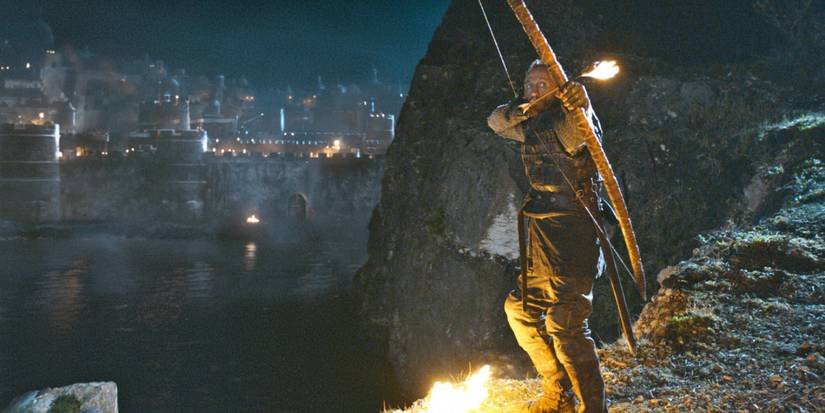
After establishing Westeros in its first season, Game of Thrones expanded its political and military conflicts considerably in Season 2. The season’s world-building becomes richer, while characters such as Tyrion, Arya, Jon Snow, Daenerys, and Stannis become increasingly important. The combination of political intrigue, character development, spectacular production, and escalating conflict confirmed that the first season was no fluke.
34. Succession Season 2 — IMDb Average: 8.8/10

Succession became even sharper and more emotionally brutal in its second season. The Roy family’s power struggles grow increasingly volatile, while the show’s dark humor provides a perfect counterbalance to its dramatic material. The season finale in particular demonstrates how effectively the series can turn personal betrayal into major narrative consequences.
33. Fleabag Season 2 — IMDb Average: 8.8/10

Phoebe Waller-Bridge’s Fleabag reaches extraordinary emotional depth in its second and final season. The show’s trademark fourth-wall breaks remain intact, but the story becomes more vulnerable as Fleabag confronts grief, intimacy, guilt, and the possibility of genuine connection. Its short episode count makes the season feel remarkably concentrated, with almost every scene contributing to the character’s emotional journey.
32. BoJack Horseman Season 6 — IMDb Average: 8.8/10
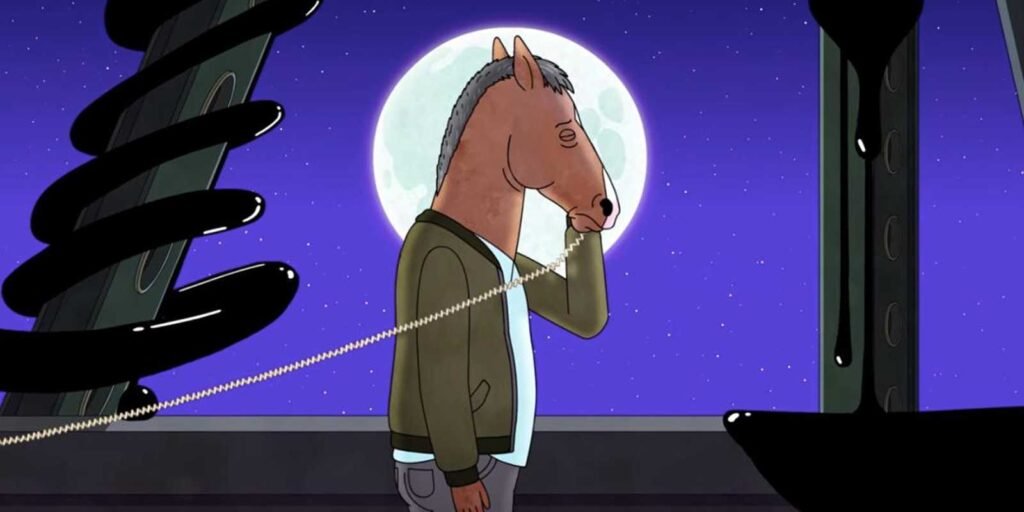
The final season of BoJack Horseman demonstrates how an animated comedy can evolve into one of television’s most thoughtful explorations of addiction, accountability, identity, and recovery. The season does not offer BoJack an easy redemption, instead forcing him to confront the consequences of his behavior. Its emotional complexity makes the ending considerably more powerful than a conventional sitcom finale.
31. Succession Season 3 — IMDb Average: 8.8/10
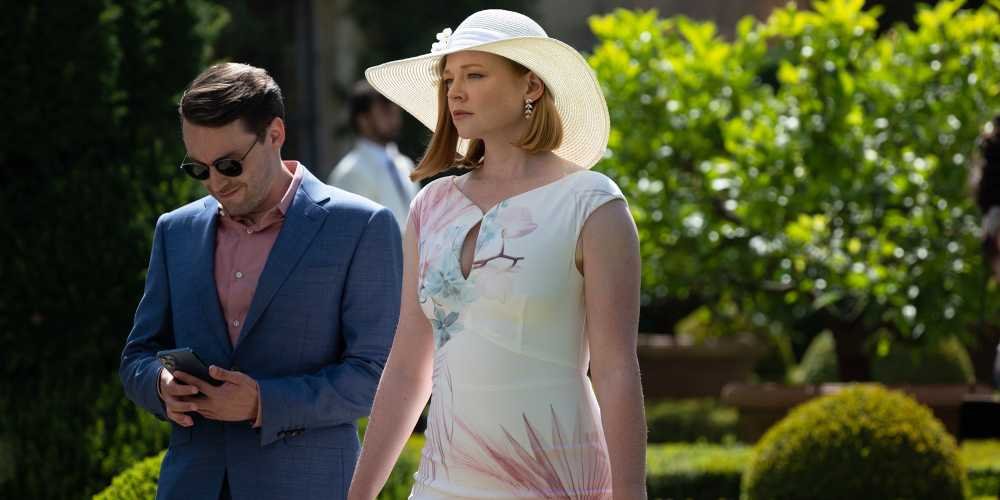
By Season 3, Succession had perfected its combination of family dysfunction, corporate warfare, dark comedy, and Shakespearean tragedy. The Roy family’s relationships become increasingly unstable as alliances shift and betrayals accumulate. The season’s biggest strength is its ability to make both major corporate decisions and deeply personal arguments feel equally consequential.
30. Game of Thrones Season 3 — IMDb Average: 8.8/10

Season 3 of Game of Thrones demonstrates the series at its most ambitious. Multiple political and personal storylines move forward simultaneously without making the season feel overcrowded. The Red Wedding remains the defining moment, but the season’s strength comes from the buildup surrounding it and the way its consequences reshape the story.
29. A Knight of the Seven Kingdoms Season 1 — IMDb Average: 8.9/10
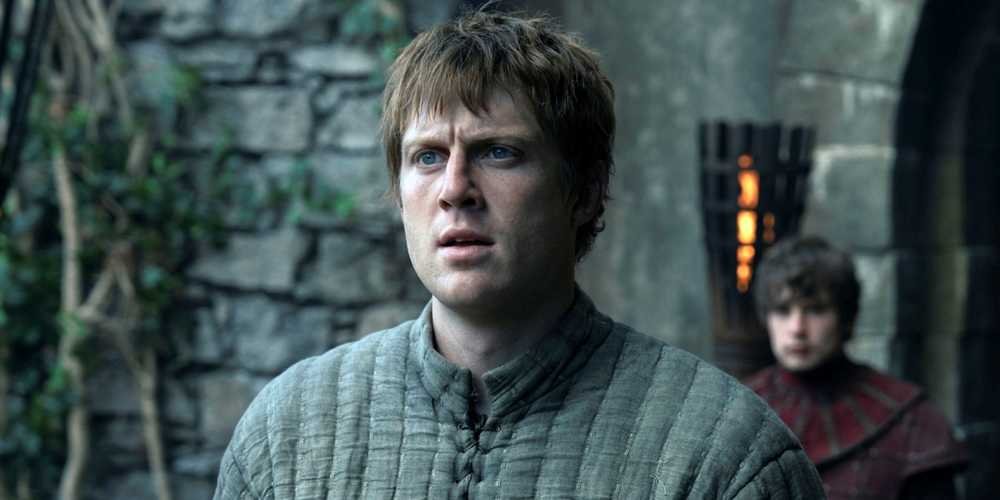
The first season of A Knight of the Seven Kingdoms expands the Game of Thrones universe through a more intimate fantasy adventure. Its shorter six-episode structure gives the season a focused narrative while allowing the characters and world to develop without the sprawling complexity of the original series. As a new entry in George R.R. Martin’s television universe, it demonstrates the franchise’s continued ability to produce compelling stories.
28. Westworld Season 1 — IMDb Average: 8.9/10

The first season of Westworld introduced viewers to a visually spectacular science-fiction world where artificial beings exist for human entertainment. Beneath the futuristic setting, however, the season explores consciousness, identity, free will, exploitation, and what it means to be human. Its layered mysteries and philosophical questions make the debut season far more than a conventional genre thriller.
27. The Leftovers Season 2 — IMDb Average: 8.9/10

The Leftovers becomes even more ambitious in its second season by shifting its setting and introducing a new ensemble while retaining the show’s central mystery. The season refuses to provide easy answers about the disappearance of two percent of humanity. Instead, it focuses on grief, belief, identity, and how people construct meaning when certainty is impossible.
26. Daredevil Season 3 — IMDb Average: 8.9/10

The third season of Daredevil represents the series at its darkest and most focused. Matt Murdock’s conflict with Wilson Fisk becomes deeply personal, while the season explores identity, faith, trauma, and redemption. The combination of gritty action, strong choreography, character development, and the Daredevil-Kingpin rivalry makes it one of Marvel’s strongest television seasons.
25. Avatar: The Last Airbender Season 3 — IMDb Average: 8.9/10

The final season of Avatar: The Last Airbender brings the show’s central story to a remarkably satisfying conclusion. Aang’s journey toward mastering the elements and confronting the Fire Lord reaches its emotional and thematic peak, while characters such as Zuko, Katara, Sokka, and Toph receive meaningful payoffs. The season succeeds because its spectacular action never overwhelms its themes of responsibility, forgiveness, balance, and identity.
24. Game of Thrones Season 7 — IMDb Average: 9.0/10
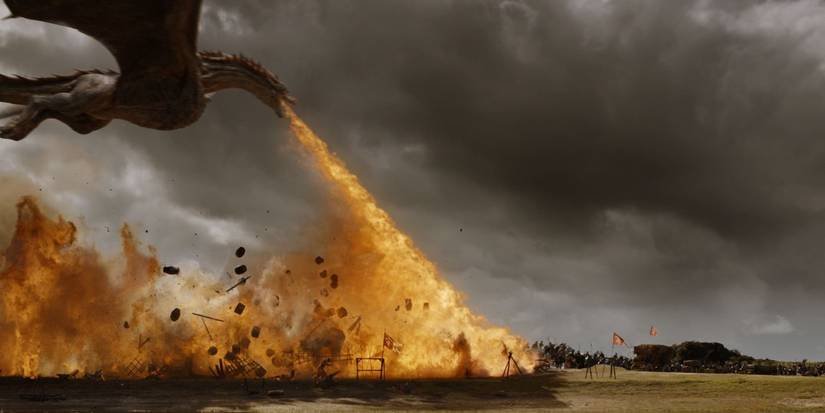
Season 7 of Game of Thrones is more divisive among critics and fans than the show’s earlier years, but its IMDb episode averages remain remarkably high. The shorter season moves quickly toward the final conflict, bringing major characters together and delivering increasingly elaborate production and action sequences. It is a more streamlined version of Game of Thrones, prioritizing momentum and spectacle as the end approaches.
23. Game of Thrones Season 6 — IMDb Average: 9.0/10

Season 6 marked a major turning point for Game of Thrones. With the television series moving beyond the published source material in significant ways, the season delivered enormous developments for characters across Westeros. Episodes such as “Battle of the Bastards” and “The Winds of Winter” remain among the show’s most celebrated installments, combining spectacle with major narrative payoffs.
22. The Leftovers Season 3 — IMDb Average: 9.0/10
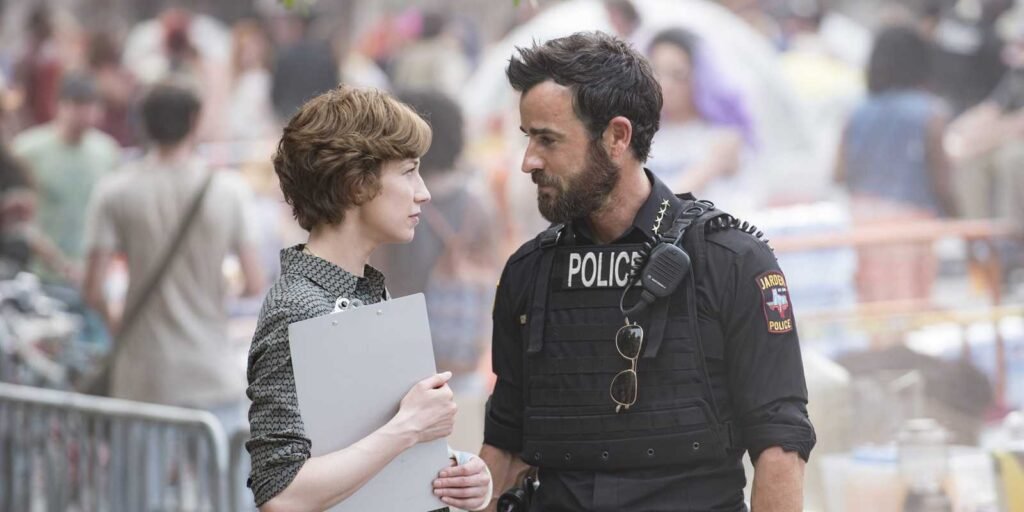
The final season of The Leftovers takes the show’s themes of faith, grief, uncertainty, and human connection to their logical conclusion. Justin Theroux and the ensemble cast give the material considerable emotional weight, while the writing remains deliberately mysterious and philosophical. It is the kind of ending that rewards viewers who embraced the show’s refusal to provide straightforward answers.
21. Mr. Robot Season 3 — IMDb Average: 9.0/10

Season 3 of Mr. Robot demonstrates Sam Esmail’s ability to reinvent the show’s storytelling without abandoning its central themes. Elliot’s psychological struggle, the show’s social commentary, and its increasingly complex conspiracy all come together through ambitious direction and unconventional visual storytelling. Rami Malek’s performance remains a major reason the season works so effectively.
20. Suits Season 5 — IMDb Average: 9.0/10
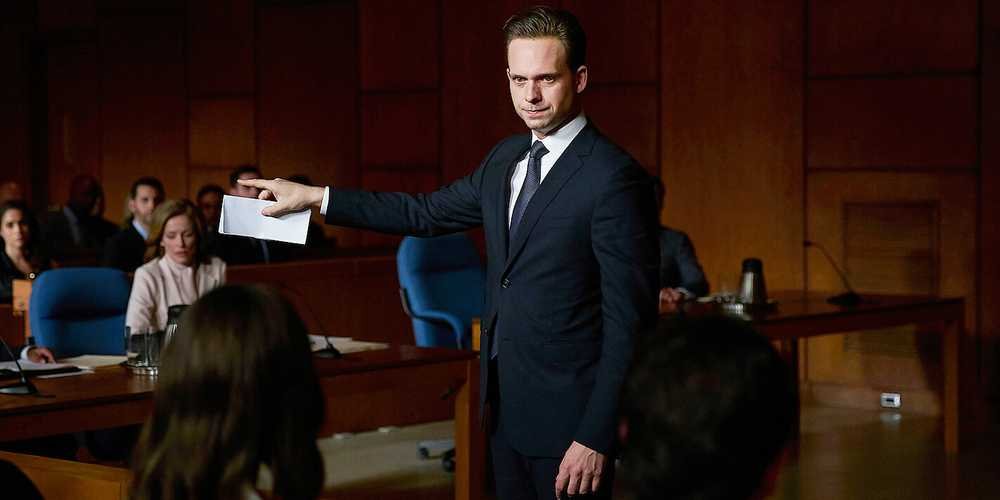
Season 5 of Suits pushes the legal drama into some of its most emotionally intense territory. The series continues to combine courtroom strategy, workplace relationships, personal conflict, and fast-moving twists while giving its central characters more substantial challenges. The result is one of the show’s most engaging seasons and a major reason Suits remains popular with streaming audiences.
19. The Leftovers Season 3 — IMDb Average: 9.0/10

The third season of The Leftovers appears again in the source ranking, reflecting the season’s exceptional episode-level reception. Its final chapters bring the show’s central mysteries and character journeys toward an emotionally ambitious conclusion. The writing, performances, and willingness to embrace uncertainty helped establish the season as one of the most acclaimed finales in modern television.
18. Game of Thrones Season 1 — IMDb Average: 9.0/10
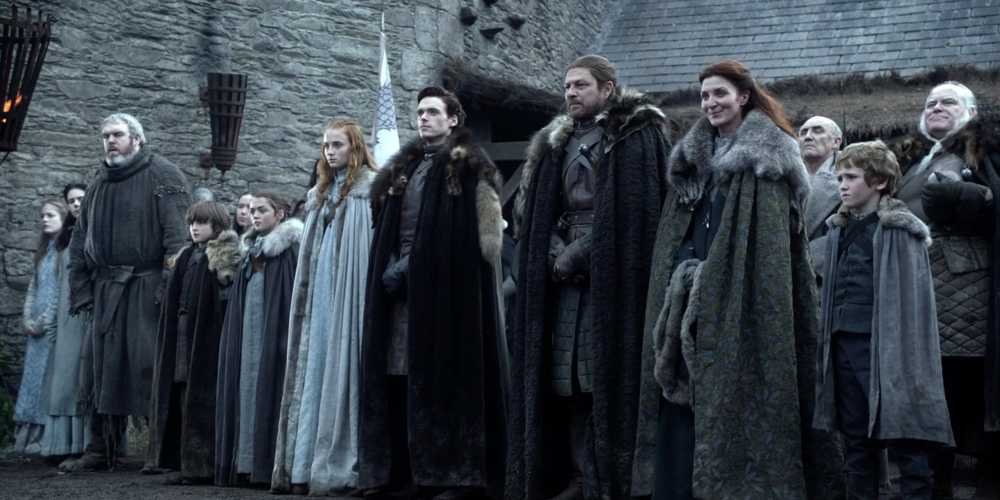
The first season of Game of Thrones remains one of the strongest introductions to a fantasy television world. It establishes Westeros, introduces a huge ensemble without losing narrative focus, and gradually reveals the political conflicts that drive the story. Its combination of character-driven drama, detailed world-building, and shocking storytelling created the foundation for a global television phenomenon.
17. Hannibal Season 2 — IMDb Average: 9.0/10
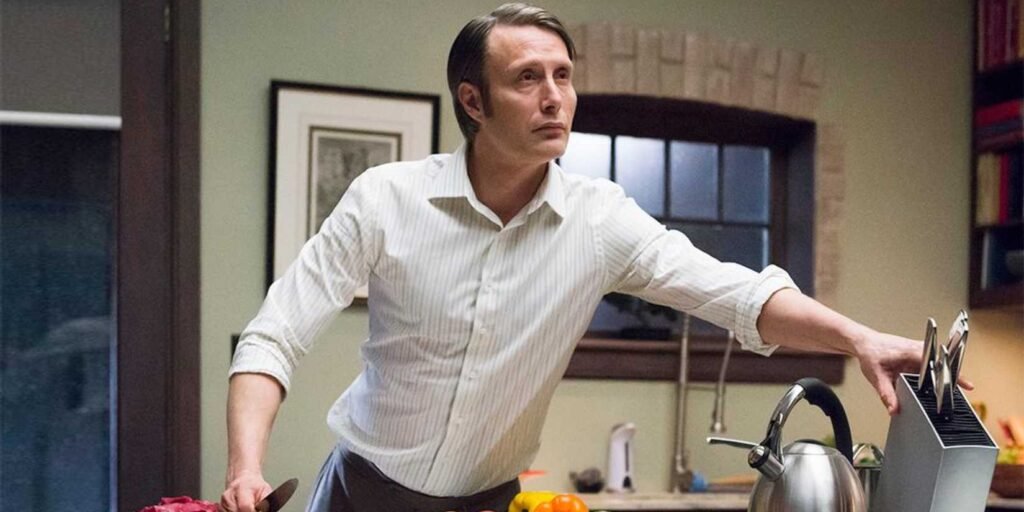
Mads Mikkelsen’s portrayal of Hannibal Lecter reaches another level in the second season of Hannibal. The series combines psychological horror, elegant visual storytelling, disturbing imagery, and complex character relationships to create a uniquely unsettling viewing experience. Its increasingly intense narrative and memorable finale make Season 2 a standout in modern thriller television.
16. Breaking Bad Season 4 — IMDb Average: 9.0/10

Season 4 of Breaking Bad slowly builds tension around the increasingly dangerous relationship between Walter White and Gus Fring. Rather than relying on nonstop action, the season carefully develops its characters and conflicts before unleashing one of television’s most memorable climaxes. Bryan Cranston’s performance is central to the season’s power as Walter’s transformation becomes increasingly difficult to reverse.
15. Band of Brothers — IMDb Average: 9.0/10

Although Band of Brothers is technically a miniseries rather than a traditional multi-season television show, its single season remains one of the most respected works in television history. Its portrayal of Easy Company during World War II combines brutal combat sequences with deeply personal character stories. The performances and grounded depiction of warfare give the series an emotional power that has allowed it to remain influential decades later.
14. Person of Interest Season 5 — IMDb Average: 9.1/10

The fifth and final season of Person of Interest proves how much can be achieved with a shorter final chapter. Despite having fewer episodes than previous seasons, it maintains the show’s mixture of artificial intelligence, crime, surveillance, and character-driven drama. The conclusion provides meaningful resolutions while retaining the show’s willingness to challenge expectations.
13. Sherlock Season 2 — IMDb Average: 9.1/10
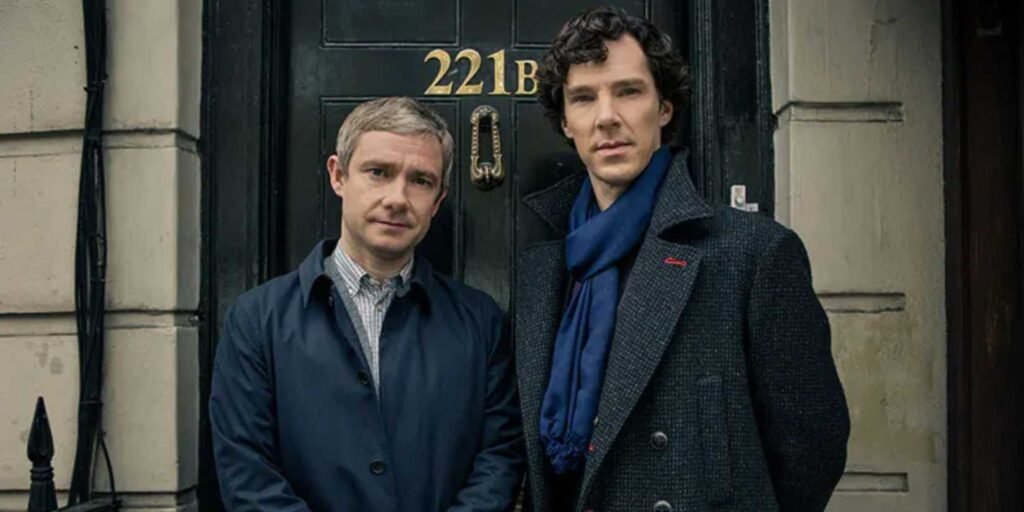
The second season of BBC’s Sherlock benefits enormously from the chemistry between Benedict Cumberbatch’s Sherlock Holmes and Martin Freeman’s John Watson. With only three feature-length episodes, the season delivers tightly structured mysteries and character drama without unnecessary filler. “The Reichenbach Fall” in particular became one of the show’s defining episodes and helped cement this season’s reputation.
12. Better Call Saul Season 5 — IMDb Average: 9.1/10

Season 5 of Better Call Saul pushes Jimmy McGill closer to becoming Saul Goodman while simultaneously escalating the danger surrounding Mike, Gus, and Lalo. The season’s patient storytelling makes its bursts of violence and tension even more effective. Bob Odenkirk’s performance is matched by standout work throughout the ensemble, particularly as Jimmy’s personal and criminal lives increasingly collide.
11. Better Call Saul Season 6 — IMDb Average: 9.1/10

The final season of Better Call Saul had the enormous responsibility of completing one of television’s most carefully constructed character arcs. It succeeds by giving Jimmy, Kim, Mike, Gus, and the supporting characters meaningful conclusions while connecting the series to the world of Breaking Bad. Its deliberate pacing, outstanding performances, visual direction, and emotional final chapters make it an exceptional television finale.
10. Samurai Jack Season 5 — IMDb Average: 9.2/10

After more than a decade away from television, Samurai Jack returned with a dramatically darker fifth season. Adult Swim allowed Genndy Tartakovsky to explore a more mature version of Jack’s journey while preserving the show’s distinctive visual identity. The revival’s animation, action, atmosphere, and emotional conclusion make it a rare example of a comeback season that genuinely feels worthwhile.
9. Dark Season 2 — IMDb Average: 9.2/10
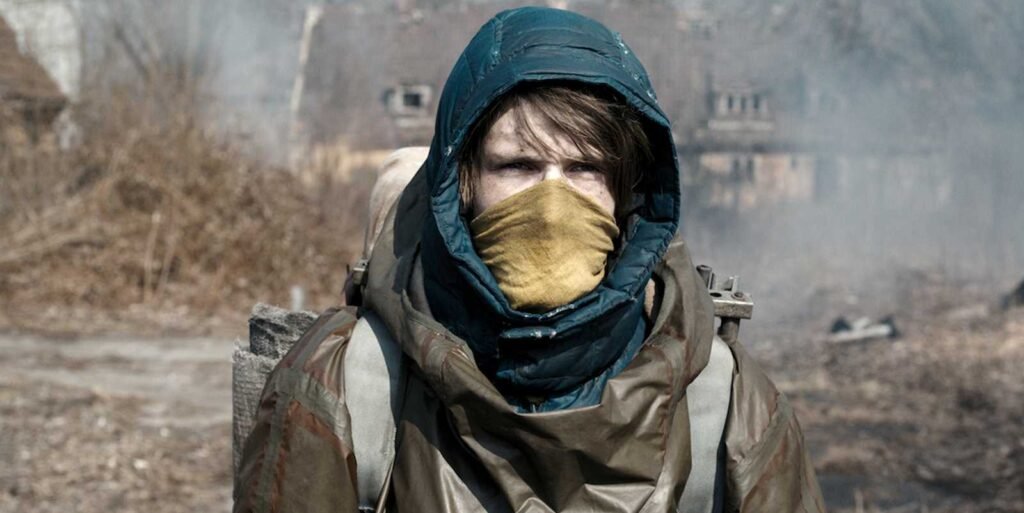
Netflix’s German science-fiction series Dark became increasingly complex in its second season. The show’s intricate family relationships, time-travel mythology, and interconnected timelines demand close attention, but that complexity is precisely what makes it so rewarding. Season 2 deepens nearly every mystery while maintaining a consistently tense atmosphere, making it one of the most ambitious seasons of modern sci-fi television.
8. True Detective Season 1 — IMDb Average: 9.2/10

The first season of True Detective remains a benchmark for prestige crime television. Matthew McConaughey and Woody Harrelson give outstanding performances as detectives Rust Cohle and Marty Hart, while Cary Joji Fukunaga’s direction gives the season a distinctive visual identity. Its slow-burn investigation is strengthened by philosophical themes, atmospheric storytelling, and the complicated relationship between its two leads.
7. Mr. Robot Season 4 — IMDb Average: 9.2/10

The final season of Mr. Robot is an ambitious conclusion to Elliot’s psychological and technological journey. Sam Esmail uses the final thirteen episodes to deliver major revelations, emotional consequences, and stylistic experimentation while keeping the story grounded in Elliot’s fractured perspective. The result is a finale that is both surprising and deeply connected to the themes established from the beginning.
6. Game of Thrones Season 4 — IMDb Average: 9.2/10
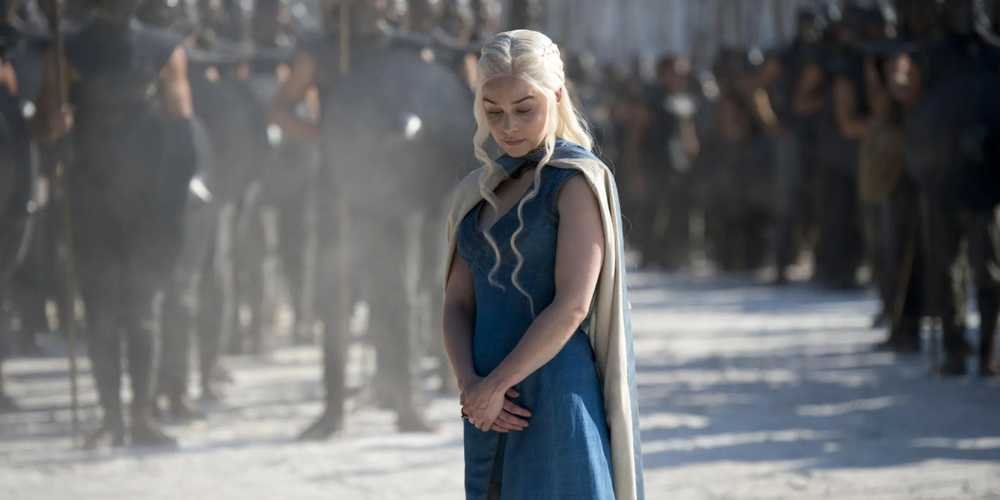
For many fans, Season 4 represents Game of Thrones at its absolute peak. The season combines political maneuvering, character development, shocking deaths, memorable dialogue, and spectacular set pieces while maintaining a remarkably consistent level of quality. It is also the point at which the show’s enormous ensemble feels most confident, making the season a defining chapter in modern fantasy television.
5. Succession Season 4 — IMDb Average: 9.2/10

The fourth and final season of Succession had to resolve one of television’s most complicated family dramas, and it did so with extraordinary confidence. The season is filled with unexpected turns, brutal emotional confrontations, dark comedy, and carefully developed character arcs. Its willingness to make permanent choices rather than simply reset the Roy family’s conflicts gives the ending much of its impact.
4. Attack on Titan Season 3 — IMDb Average: 9.3/10

Season 3 of Attack on Titan represents a major transformation for the anime. The first half focuses heavily on political intrigue and the mysteries surrounding humanity’s government, while the second half delivers one of the series’ most consequential battles and revelations. The balance between character development, world-building, action, and mystery makes this season a turning point for the entire story.
3. Arcane Season 2 — IMDb Average: 9.3/10
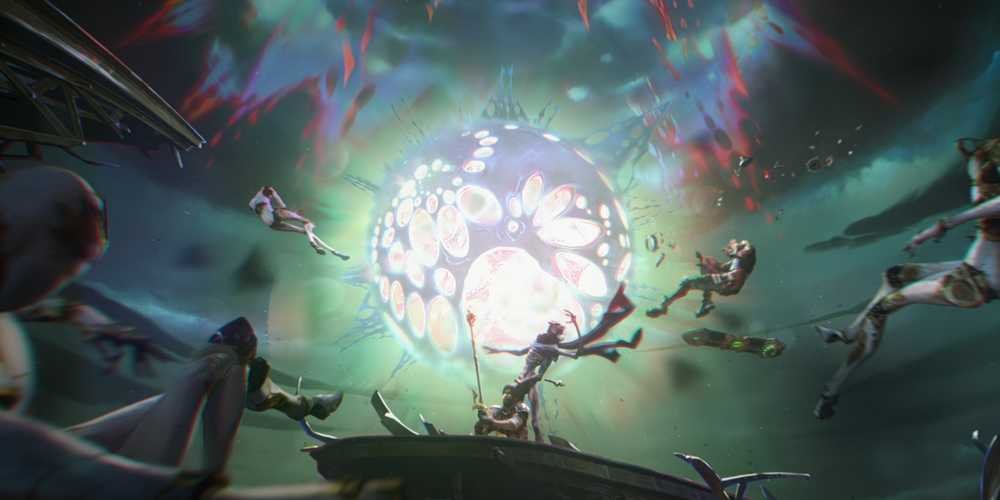
Arcane proved that a video-game adaptation could become great television even for viewers unfamiliar with League of Legends. Its second and final season expands the emotional and political conflicts established in the first while maintaining the extraordinary animation that became the show’s trademark. With major character arcs reaching their conclusions, Season 2 demonstrates how animation can deliver blockbuster-scale storytelling with genuine emotional depth.
2. Breaking Bad Season 5 — IMDb Average: 9.4/10

The final season of Breaking Bad brings Walter White’s transformation to its devastating conclusion. Divided into two parts, the season steadily strips away the remaining barriers between Walter and the consequences of his choices. The final episodes deliver enormous tension, emotional payoffs, and a conclusion that closes the major arcs without undermining the journey that came before it.
1. Chernobyl — IMDb Average: 9.5/10
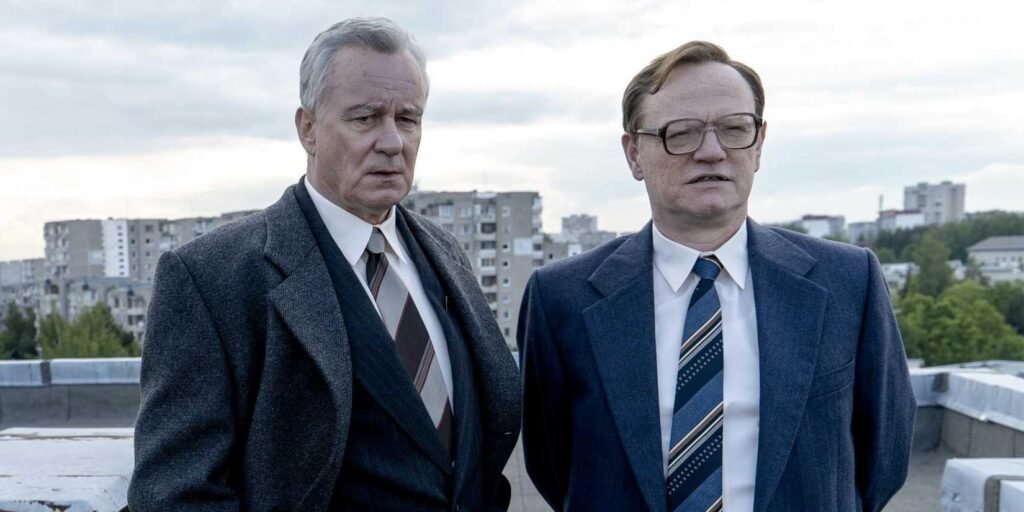
At the top of this best TV seasons ranked list is HBO’s Chernobyl, a five-episode miniseries dramatizing the 1986 nuclear disaster. Its strength comes from the combination of historical drama, exceptional performances, haunting production design, and an uncompromising depiction of the human consequences of institutional failure.
Unlike a conventional television season, Chernobyl tells a complete story within a tightly controlled five-episode structure. Nothing feels unnecessary, and every episode builds toward a deeper understanding of the disaster and the systems that allowed it to happen. Its technical execution and emotional intensity explain why it remains one of the most highly regarded television miniseries ever made.
What Makes a TV Season Great?
A high IMDb score alone does not automatically make a season great. The strongest television seasons usually combine consistent writing, memorable characters, meaningful development, strong performances, visual direction, thematic depth, and satisfying payoffs.
That is why the ranking includes such different shows. Breaking Bad excels as a crime drama, Attack on Titan as an anime epic, Succession as a family and corporate drama, Dark as science fiction, and Chernobyl as historical drama. Their genres are different, but their ability to tell compelling stories at an unusually high level is what connects them.
Why IMDb Ratings Matter for Ranking TV Seasons
IMDb provides a useful audience-based measurement because individual episodes receive their own ratings. Looking at the average of those episode scores can reveal how consistently a season connected with viewers rather than relying only on the overall rating of the television series.
However, IMDb is ultimately a user-rating platform, so scores can fluctuate and different lists may use different rules. Some IMDb community lists, for example, rank seasons by episode averages, while others apply their own selection criteria.
Are These Really the Best TV Seasons of All Time?
There is no completely objective answer to what constitutes the best TV season of all time. Rankings inevitably depend on methodology, audience preferences, genre, cultural impact, critical reception, and the weighting given to ratings.
What makes this particular list useful is that it provides a clear framework: IMDb episode averages combined with editorial consideration of storytelling and overall quality. It also highlights an important point about television: greatness is not limited to one genre. Some of the most acclaimed seasons come from crime dramas and prestige television, while others come from animation, anime, science fiction, fantasy, comedy, and historical drama.
Also Read :
1. Reacher Season 4 Release Date Revealed? Everything We Know About Prime Video’s Next Chapter
2. Cast of Apocalypse Now: Where the Legendary Vietnam War Movie Stars Are Today
3. Best Netflix Action Fantasy Series You Need to Watch Right Now
Final Verdict: The Best TV Seasons Ranked
The greatest television seasons are the ones that make their shows feel essential. They can completely redefine a character, transform a genre, introduce a new storytelling language, or simply deliver episode after episode of exceptional television.
Chernobyl takes the top spot here for its extraordinary consistency and tightly constructed storytelling, followed by Breaking Bad Season 5, Arcane Season 2, Attack on Titan Season 3, and Succession Season 4. The list also demonstrates how dramatically television has evolved, with animated series, anime, streaming originals, miniseries, and international productions now competing alongside traditional prestige dramas.
Ultimately, whether you agree with every placement or not, these are seasons that have given audiences some of the most memorable television experiences of the modern era.
Frequently Asked Questions
1. What is the best TV season of all time?
Based on the ranking used for this article, Chernobyl takes the No. 1 spot with an IMDb average season rating of 9.5/10. The five-episode HBO miniseries is praised for its writing, performances, atmosphere, historical storytelling, and technical execution.
2. What is the highest-rated Breaking Bad season?
Breaking Bad Season 5 ranks highest in this list, with an IMDb average of 9.4/10. It is followed by Season 4, which has an average of 9.0/10 in the source ranking.
3. What is the best Game of Thrones season?
Game of Thrones Season 4 ranks highest in this list, with an IMDb average of 9.2/10. Seasons 6 and 7 also rank highly, while the first three seasons remain among the strongest chapters of the series.
4. What is the best anime season on this list?
Attack on Titan Season 3 is the highest-ranked anime season, placing at No. 4 with an IMDb average of 9.3/10. The season is particularly praised for its combination of political storytelling, major revelations, action, and character development.
5. Is Chernobyl a TV season or miniseries?
Chernobyl is an HBO miniseries consisting of five episodes. It is included in the ranking because its complete five-episode story functions as a single season of television and received an exceptionally high audience rating.
6. What is the best animated TV season?
This ranking places Arcane Season 2 at No. 3 and Attack on Titan Season 3 at No. 4. Both demonstrate how animation can deliver complex storytelling, mature themes, spectacular visuals, and major emotional payoffs.
7. What makes a season better than another season of the same show?
Consistency is one of the biggest factors. A great season needs strong individual episodes, but it also needs an overarching story, meaningful character development, thematic cohesion, and a satisfying payoff. That is why a season with several outstanding episodes can still rank below another season that maintains a high standard from beginning to end.
Stay ahead of the latest entertainment trends with Fandomora, your go-to source for breaking movie news, web series updates, anime releases, gaming trends, celebrity news, and music updates. Discover in-depth reviews, OTT release dates, anime guides, gaming walkthroughs, and curated entertainment lists featuring the best from around the world. From trending releases to must-watch recommendations, Fandomora keeps you informed and entertained.
About The Author