
Not every emotional Korean drama is built around tragedy. Sometimes it is a parent watching their child grow up, two people trying to hold on to each other, siblings feeling stuck in life, or friends realizing that a familiar chapter is coming to an end.
That is where the best Emotional Korean Dramas stand apart. They can make you cry, but they also give you something to hold on to afterward. Love, family, friendship, grief, loneliness, nostalgia and healing often sit side by side, creating stories that feel closer to real life than conventional tearjerkers.
This list focuses on dramas with a wider emotional range rather than simply choosing the most tragic K-dramas.
The ranking considers character development, storytelling, performances, emotional payoff and how naturally each series earns its most powerful moments.
1. Move to Heaven – A Beautiful Story About Grief and Letting Go
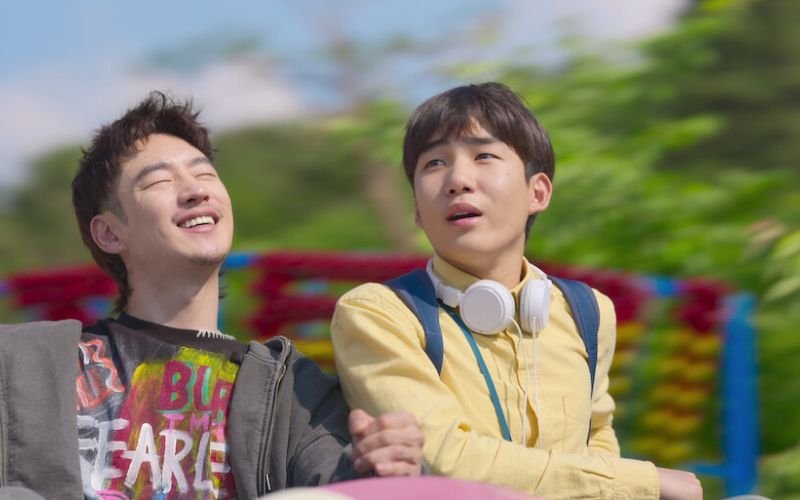
Move to Heaven begins with an unusual profession but quickly becomes something much more personal. Han Geu-ru works as a trauma cleaner, collecting and organizing the belongings of people who have died. After his estranged uncle Cho Sang-gu becomes his guardian and colleague, the two begin uncovering the stories left behind by the deceased. Netflix describes the series as heartfelt and emotional, with the characters delivering the untold stories of the departed to their loved ones.
The series understands that grief is not always loud. Sometimes it is found in an unfinished letter, an old photograph or something a person never got the chance to say. That approach makes Move to Heaven one of the strongest Korean dramas about grief and loss, while its central relationship gives the story warmth beyond the sadness.
2. When Life Gives You Tangerines – Love, Family and a Lifetime of Memories
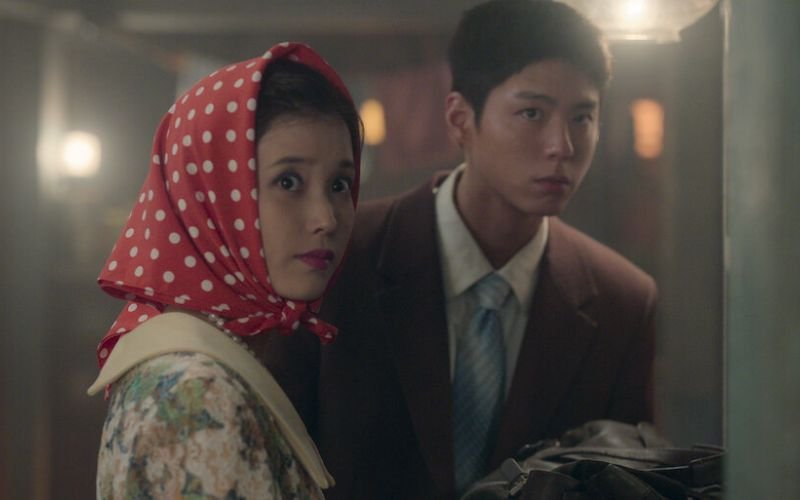
Set against the changing landscape of Jeju, When Life Gives You Tangerines follows Ae-sun and Gwan-sik as their relationship grows across different stages of life. Netflix describes the limited series as a lifelong story of setbacks and triumphs, with romance, nostalgia and bittersweet emotion at its core.
What makes the drama so affecting is its sense of time. People change, families grow, dreams shift and life rarely follows the path anyone imagined. The result is a deeply bittersweet Korean drama where the emotional moments come not only from heartbreak but also from watching ordinary lives unfold.
3. My Mister – Quiet Pain and the Possibility of Healing

My Mister is not interested in forcing tears out of its audience. Instead, it spends time with people who are exhausted by life and slowly shows what happens when two lonely people begin to understand one another.
Park Dong-hoon and Lee Ji-an come from very different circumstances, but both are carrying burdens they rarely talk about. Their connection gives the series its emotional center. This is one of the healing K-dramas where small gestures often matter more than dramatic declarations, making the story feel painfully close to real life.
If you enjoy mature storytelling about loneliness, family pressure and finding a reason to keep going, My Mister is difficult to overlook.
4. My Liberation Notes – When Ordinary Life Becomes Emotional
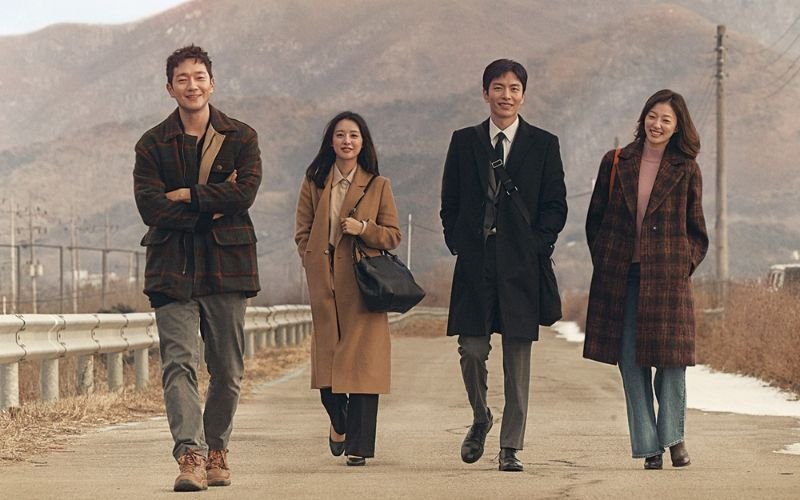
There is something remarkably familiar about My Liberation Notes. The series follows three adult siblings who feel trapped by the repetitive nature of everyday life and want something more meaningful from it. Netflix describes them as seeking fulfillment and freedom from their monotonous lives.
The drama does not rush toward huge emotional scenes. Instead, it finds meaning in silence, awkward conversations, commuting, family tension and the feeling of wanting your life to change without knowing exactly how. That restraint makes it one of the most relatable Korean dramas about life, loneliness and personal growth.
It is a particularly good choice if you prefer emotional storytelling that feels understated rather than melodramatic.
5. Hi Bye, Mama! – A Mother’s Love at the Center of the Story

Hi Bye, Mama! takes a supernatural premise and turns it into an intensely personal family story. Cha Yu-ri gets another chance at life for 49 days and returns to the husband and young daughter she left behind. Netflix categorizes the series as heartfelt and emotional, with parenthood and family relationships at its center.
The drama’s emotional weight comes from the difficult question behind Yu-ri’s second chance: what does it mean to love someone when you may have to let them go again? It is one of the strongest Korean family dramas for viewers who connect with stories about motherhood, sacrifice and complicated goodbyes.
6. Our Blues – Different Lives, Different Kinds of Heartbreak
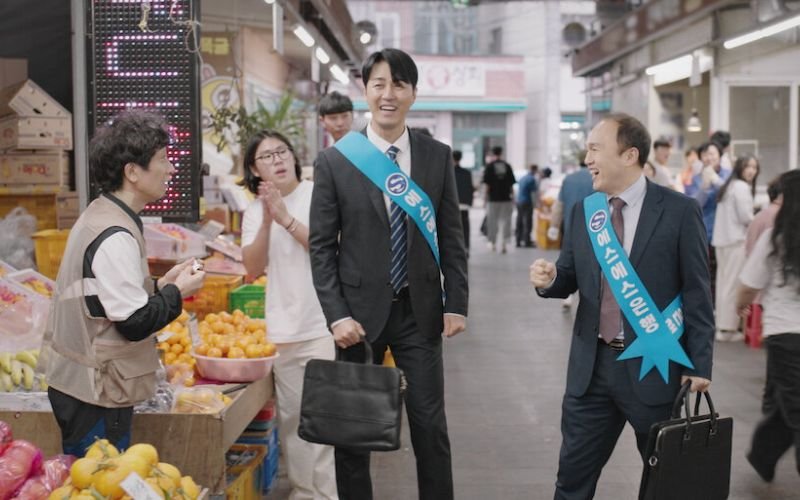
Our Blues does not tell one single emotional story. Instead, it brings together several characters living and working on Jeju Island, allowing different relationships and personal struggles to intersect. Netflix describes it as sincere, bittersweet and emotional.
That structure gives the series room to explore romance, friendship, parenthood, regret and family conflict without making every storyline feel like the same kind of tragedy. Some moments are painful, others are surprisingly funny, and that contrast is exactly what makes the drama feel human.
For viewers looking for heartfelt Korean dramas with an ensemble cast and multiple emotional storylines, Our Blues is an easy recommendation.
7. Reply 1988 – Nostalgia That Sneaks Up on You

At first glance, Reply 1988 looks much lighter than some of the other titles here. It follows five families and their teenage children living in the same Seoul neighborhood during the late 1980s. Netflix describes the series as nostalgic, heartfelt and centered on friendship and coming-of-age.
But that everyday setting is precisely why the emotional moments work. Parents grow older, childhood friendships change and the neighborhood that once felt permanent slowly becomes part of the past. Reply 1988 understands that nostalgia can hurt just as much as tragedy, which makes it one of the most rewarding emotional K-dramas on this list.
8. Youth of May – A Love Story Shaped by History

Youth of May follows medical student Hwang Hee-tae and nurse Kim Myung-hee as they fall in love during the unrest surrounding Gwangju in May 1980. The historical setting gives their relationship an unavoidable sense of danger, while the personal story keeps the drama grounded in the lives of its characters.
The series works because the romance never exists in isolation. Family expectations, political turmoil and personal choices continually affect the couple’s future. For anyone looking for emotional romance K-dramas with a historical backdrop, Youth of May delivers a particularly bittersweet experience.
9. The Light in Your Eyes – A Story About Time, Regret and Family

The Light in Your Eyes begins with a fantasy idea: a young woman uses a mysterious watch that can manipulate time and suddenly finds herself aged 78. What follows gradually becomes a much more reflective story about time, memory, relationships and the things people fail to appreciate until they are gone. Netflix lists it as a heartfelt Korean drama built around time travel and enduring love.
The emotional impact comes from how the story changes the meaning of its earlier events. Details that initially seem small can take on a completely different weight later. It is the kind of Korean drama that will make you cry while also giving you something to think about after the final episode.
10. Daily Dose of Sunshine – Compassion, Friendship and Finding Hope

Daily Dose of Sunshine follows Jung Da-eun, a nurse who begins working in a psychiatric ward and encounters patients dealing with very different struggles. Rather than treating their stories as simple dramatic devices, the series focuses on empathy, connection and the difficult process of moving through painful experiences.
That makes it different from a conventional tearjerker. The emotion comes from seeing people at vulnerable moments and watching small acts of kindness make a difference. For viewers searching for emotional Korean series that combine serious themes with warmth and hope, this is a thoughtful choice.
Which Emotional Korean Drama Should You Watch First?
If you want a story centred on grief and family, Move to Heaven and Hi Bye, Mama! are natural starting points. Their emotional impact comes from relationships, loss and the difficulty of saying goodbye.
For something quieter and more grounded, My Mister and My Liberation Notes explore loneliness, exhaustion, family pressure and the desire for a better life. They are less interested in dramatic twists and more focused on what their characters are feeling.
If romance and nostalgia are what usually get to you, When Life Gives You Tangerines, Reply 1988 and Youth of May offer very different versions of love and growing older. Meanwhile, Our Blues is a good option when you want several interconnected stories rather than one central relationship.
Why Are Emotional Korean Dramas So Powerful?
The strongest Emotional Korean Dramas usually give their characters enough time to become familiar. You see their habits, relationships, mistakes and private struggles before the story asks you to feel something major.
That slow emotional investment changes everything. A goodbye means more when you understand why two people needed each other. A family argument hurts more when you have seen the history behind it. Even a quiet scene can become powerful because the audience already knows what the characters are carrying.
This is also one reason Korean dramas can move so easily between humor and heartbreak. A funny family dinner or awkward conversation can sit beside a painful moment without making either one feel out of place.
For readers new to the genre, Fandomora’s What Is K-Drama? A Complete Guide to Korean Dramas for Beginners is a useful starting point because it covers the wider range of Korean drama genres beyond romance.
Emotional Korean Dramas vs. Sad Korean Dramas
There is an important difference between the two searches. A sad Korean drama usually promises tragedy, heartbreak or loss as its main emotional experience. An emotional drama can be sad, but it can also leave you feeling comforted, nostalgic, hopeful or even happy.
That distinction matters with this list. Reply 1988 can make you emotional through memories and family. My Liberation Notes finds emotion in ordinary adult life. Our Blues moves between pain and warmth. When Life Gives You Tangerines mixes romance, family and the passage of time.
If you specifically want stories built around devastating heartbreak and tragedy, Fandomora’s 25 Saddest K-Dramas That Will Make You Cry is the more focused companion guide.
Final Thoughts on the Best Emotional Korean Dramas
The best Emotional Korean Dramas do more than make you cry. They make you care about the people on screen.
Sometimes that comes through grief. Sometimes it is family, first love, friendship, regret, aging or the simple realization that life is changing. The emotion feels stronger because the characters are not defined only by their sadness; they laugh, make mistakes, fall in love, disappoint each other and keep moving forward.
That wider emotional range is what separates a memorable K-drama from a story that simply wants to make its audience cry.
If romance is the part of Korean television that usually pulls you in, you can continue into Fandomora’s Best Romantic K-Dramas cluster for more relationship-focused recommendations.
Frequently Asked Questions
1. What are the best emotional Korean dramas to watch?
Some strong choices include Move to Heaven, When Life Gives You Tangerines, My Mister, My Liberation Notes, Hi Bye, Mama!, Our Blues and Reply 1988. They cover different kinds of emotion, from grief and family to romance, nostalgia and personal healing.
2. Which Korean drama will make me cry?
That depends on the kind of story that affects you most. Move to Heaven focuses heavily on grief and loss, while Hi Bye, Mama! explores motherhood and separation. Youth of May brings romance and historical tragedy together, while Reply 1988 uses family, friendship and nostalgia to create its emotional moments.
3. What are the best Korean dramas about healing?
My Mister, My Liberation Notes, Move to Heaven and Daily Dose of Sunshine are good choices for viewers interested in healing, loneliness, emotional struggles and human connection.
4. Are emotional K-dramas always romance stories?
No. Romance is only one part of the genre. Emotional Korean Dramas can focus on family, friendship, grief, mental health, aging, personal growth or everyday struggles. Move to Heaven and My Liberation Notes are good examples.
5. What is the difference between emotional and sad K-dramas?
Sad K-dramas usually emphasize tragedy or heartbreak, while emotional K-dramas cover a wider range of feelings. An emotional story can make you cry but can also leave you feeling hopeful, comforted or nostalgic.
6. Which emotional Korean drama is good for beginners?
Move to Heaven is a strong starting point if you want emotional storytelling without a traditional romance-first structure. Reply 1988 is another approachable option if you prefer family, friendship, humor and nostalgia.
Where should I go after watching these emotional K-dramas?
If you specifically want heavier heartbreak, continue with Fandomora’s 25 Saddest K-Dramas That Will Make You Cry. For broader Korean drama recommendations and genre guidance, check What Is K-Drama? A Complete Guide to Korean Dramas for Beginners.
Stay updated with the latest trends on Fandomora — your go-to destination for breaking movie news, web series updates, anime releases, gaming trends, celebrity insights, and music updates. Explore reviews, OTT release dates, anime guides, gaming walkthroughs, and curated lists to discover the best in global entertainment.
About The Author