Historical Korean dramas have always been more than stories about kings, queens, and ancient kingdoms. At their best, they transform history into deeply human experiences — stories about ambition, love, sacrifice, loyalty, and survival.
The popularity of the best historical K dramas comes from their ability to combine Korea’s rich cultural heritage with emotionally powerful storytelling. A palace is never just a palace in these dramas; it becomes a battlefield of ambition, family conflict, political strategy, and personal sacrifice.
If you are looking for historical action K-dramas that go beyond palace politics and slow-burn romance, Korean television has plenty to offer. From brutal sword fights and royal succession battles to political rebellions, warriors, resistance fighters and supernatural threats, the genre can get surprisingly intense.
The best historical action K-dramas also understand that action works better when the characters have something meaningful to lose. That is why a great sageuk is not just about impressive choreography. The historical setting, political conflict, personal loyalties and character struggles should all feed into the action.
How We Ranked These Historical Action K-Dramas
This ranking considers the quality and importance of the action, character stakes, historical or period atmosphere, political conflict, storytelling and how naturally the action fits into the overall drama. It is an editorial ranking rather than a measure of historical accuracy.
If you are new to Korean dramas, you can first check out Fandomora’s guide to What Is K-Drama? A Complete Guide to Korean Dramas for Beginners before jumping into the world of sageuk dramas.
This list brings together 10 best historical K-dramas and period action series that offer different takes on the genre, including Joseon warriors, Goryeo-era conflicts, Goguryeo politics, Silla fighters and even a zombie outbreak.
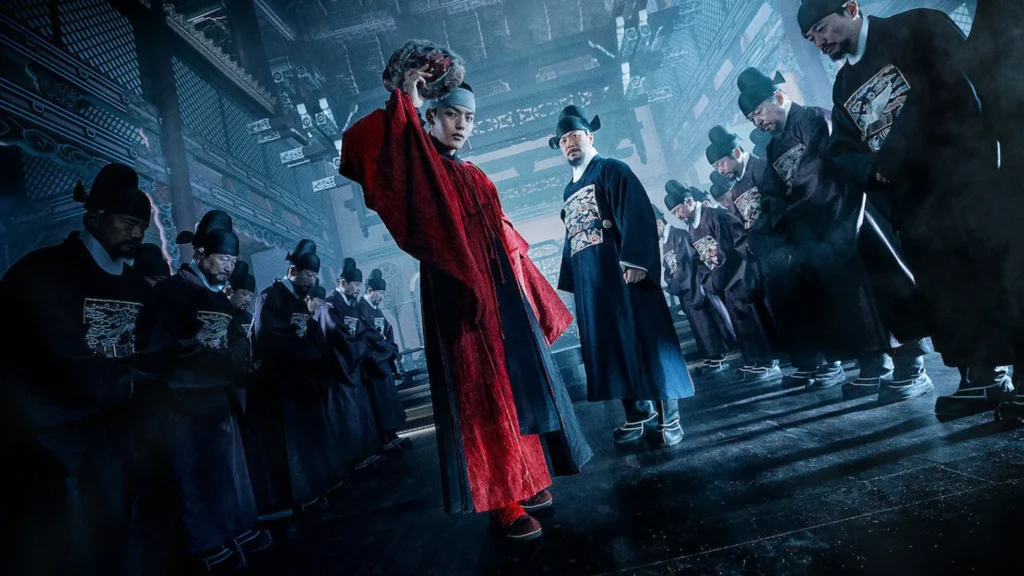
1. The Murky Stream (2025)
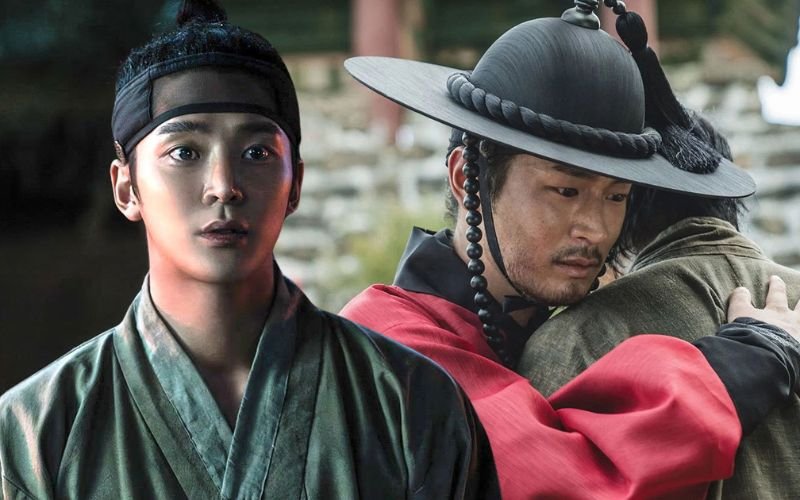
Why watch: The Murky Stream is a strong pick for viewers who want a darker and more action-focused take on Joseon. Set around the lawless Gyeonggang River, the story follows Si Yool, Choi Eun and Jeong Cheon as their personal ambitions collide with a world shaped by survival, power and justice. The series stars Rowoon, Shin Ye-eun and Park Seo-ham.
Action style: The drama leans into gritty combat, dangerous confrontations and characters who are forced to survive rather than simply participate in palace politics. Its action has a rougher edge than the polished fighting found in some traditional Korean historical dramas.
Historical appeal: What makes it particularly interesting is its portrayal of a lawless Joseon environment rather than focusing exclusively on the royal court. That gives The Murky Stream a more grounded outlaw atmosphere while still delivering the political and social tensions associated with a Joseon period drama.
2. Six Flying Dragons (2015)
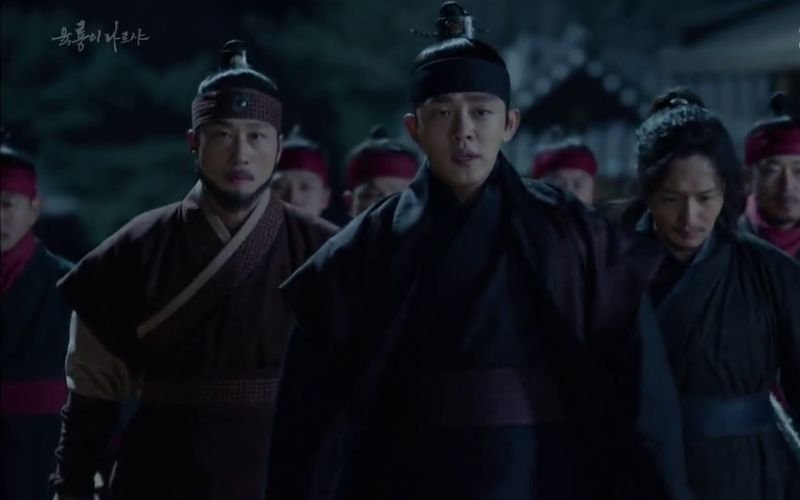
Why watch: For viewers who want a large-scale historical epic, Six Flying Dragons remains one of the major titles to consider. Set during the final years of Goryeo and the creation of Joseon, the series combines political ambition with warriors, rival factions and personal vendettas.
Action style: The drama mixes sword fighting, martial arts and battlefield confrontations with political maneuvering. Its action is not simply inserted between political scenes; the conflicts between characters frequently lead directly to physical confrontations.
Historical appeal: The transition from Goryeo to Joseon gives the series a fascinating historical backdrop. Figures inspired by the founding period of Joseon become part of a much larger story about power, ideology and the creation of a new political order. If you enjoy long-form historical Korean dramas, this is one of the more expansive choices.
3. My Country: The New Age (2019)
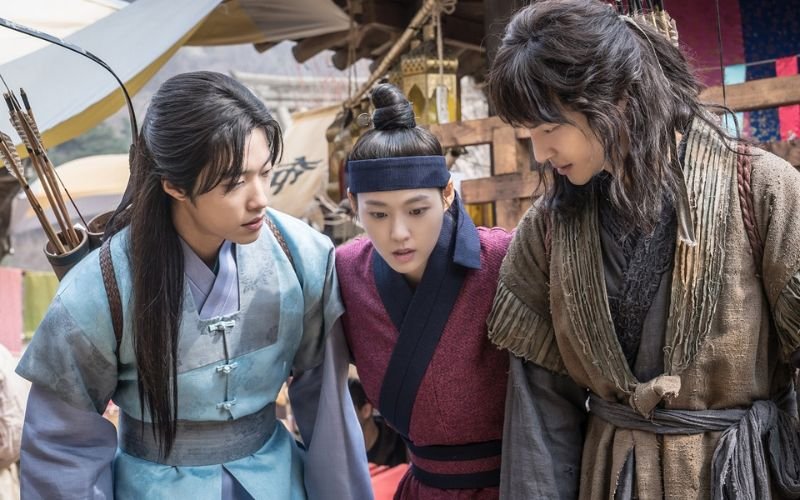
Why watch: My Country: The New Age is built around friendship, betrayal and the violent political transition between Goryeo and Joseon. The story follows Seo Hwi, a skilled warrior, and Nam Seon-ho as their relationship is tested by political ambitions and the changing power structure. Netflix describes the series as a period action drama set during the late Goryeo-to-Joseon transition.
Action style: This is one of the stronger recommendations if your priority is sword fighting. Duels and battlefield sequences are closely connected to the characters’ personal relationships, making the action feel emotional rather than purely spectacular.
Historical appeal: The late-Goryeo setting gives the drama a particularly tense atmosphere because the old political system is beginning to collapse. The rise of Joseon becomes more than historical background; it directly shapes the lives and choices of the main characters.
4. Mr. Sunshine (2018)
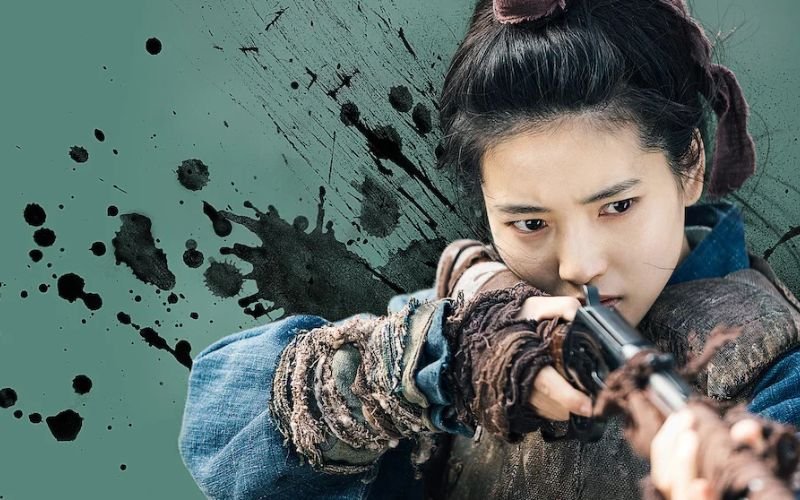
Why watch: Mr. Sunshine is not a traditional sword-heavy action drama, but it belongs on this list because its historical conflict, resistance storyline and gun-based action give it a different identity. The story follows Eugene Choi, who leaves Korea as a boy and later returns during a turbulent period in Korean history, where he becomes involved with Go Ae-shin.
Action style: Instead of relying mainly on swords and martial arts, the series uses firearms, assassinations, military confrontations and resistance missions. The action is usually tied to the larger political struggle, which gives even smaller confrontations considerable weight.
Historical appeal: The drama’s late-19th-century setting separates it from many familiar sageuk action dramas. It explores Korea at a historical turning point while combining political resistance, romance and personal sacrifice. Its bittersweet tone also makes it a natural companion recommendation for viewers interested in emotional Korean dramas.
5. Kingdom (2019)
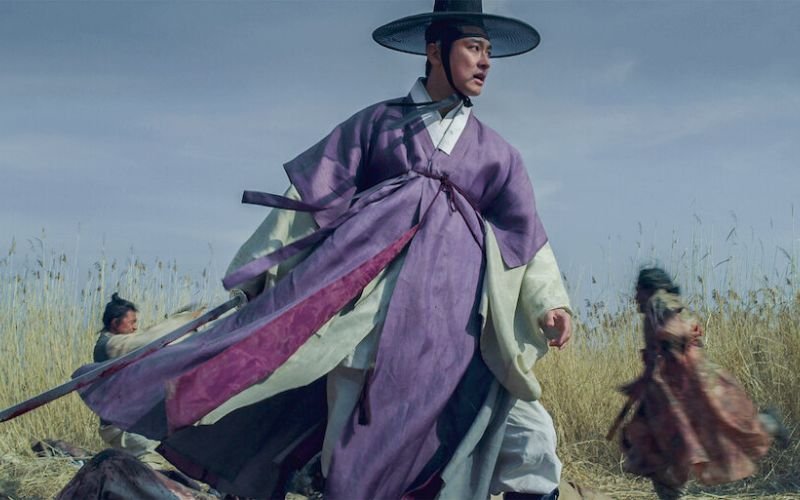
Why watch: Kingdom takes the traditional Korean period drama and throws a zombie outbreak into it. The Crown Prince becomes caught in a mysterious plague spreading through the kingdom, forcing him to deal with both a supernatural threat and a political crisis. Netflix lists the series as a thriller starring Ju Ji-hoon, Ryu Seung-ryong and Bae Doona.
Action style: Sword fighting, survival combat and zombie attacks give Kingdom a much faster pace than a conventional palace drama. Characters are constantly fighting against enemies who can overwhelm entire groups within moments.
Historical appeal: The series uses a fictional Joseon-inspired world rather than functioning as a straightforward historical account. That distinction is important, but the costumes, palaces, social hierarchy and political struggles still give it the atmosphere of a Korean historical thriller.
For viewers who enjoy darker Korean genre shows, Fandomora’s guide to 10 Best Korean Horror Dramas: Scary K-Dramas You Should Watch is a natural next read.
6. Queen Woo (2024)
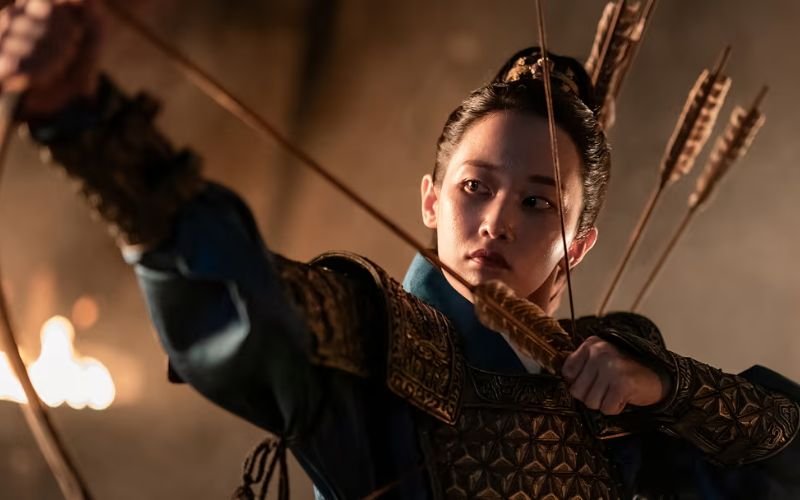
Why watch: Queen Woo offers a much faster and more compressed historical-action experience. After the sudden death of a king, Queen Woo becomes the target of rival princes and powerful tribal groups. She has only a short window to establish a new king and protect her position. The drama stars Jeon Jong-seo, Kim Moo-yul, Ji Chang-wook, Jung Yoo-mi and Lee Soo-hyuk.
Action style: The series focuses heavily on pursuit, combat, political threats and survival. Rather than spending long stretches building toward one major battle, its story keeps moving through competing factions and immediate dangers.
Historical appeal: Set against the Goguryeo period, Queen Woo expands the usual historical K-drama landscape beyond Joseon. Its royal succession crisis provides the central engine, while the warrior-driven storyline gives the series a more physical edge.
7. Song of the Bandits (2023)
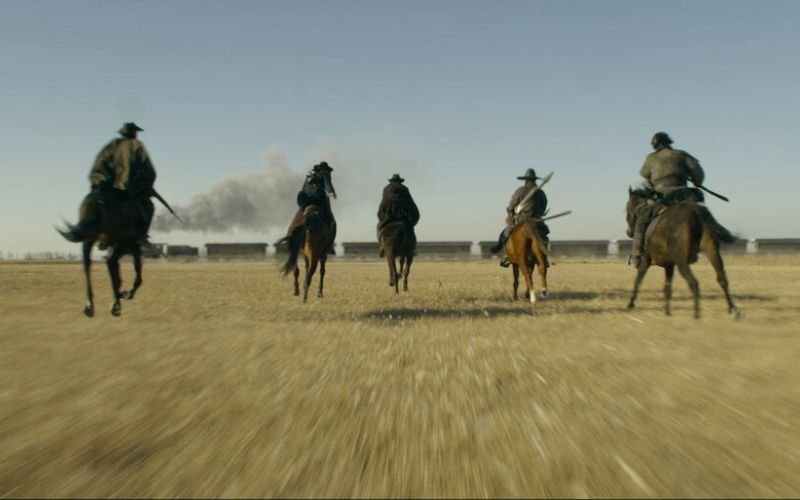
Why watch: Song of the Bandits is a different kind of historical action drama because it moves away from the traditional palace setting. Set in 1920s Gando under Japanese imperial rule, the series follows people fighting to protect their homeland and loved ones. Netflix describes it as an action series starring Kim Nam-gil, Seohyun, Yoo Jae-myung and others.
Action style: Expect gunfights, duels, ambushes and Western-inspired shootouts rather than classic palace sword battles. The action gives the show an almost Korean-Western identity while keeping the historical stakes at its center.
Historical appeal: Its setting makes it particularly useful for viewers who want Korean period dramas outside the familiar Joseon formula. The story is connected to Korean resistance and the complicated history of Gando, giving the action a broader political context.
8. River Where the Moon Rises (2021)
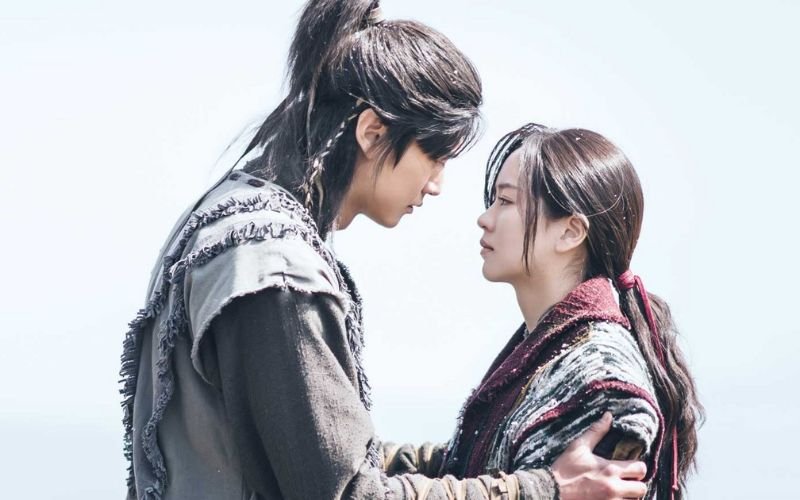
Why watch: River Where the Moon Rises combines romance, palace politics and warrior-driven conflict in a Goguryeo setting. The story centers on Princess Pyeonggang and On Dal, with the heroine determined to reclaim her position and pursue political ambitions while navigating dangerous relationships.
Action style: The series includes sword fights, martial-arts sequences and confrontations involving soldiers and rival factions. The action is balanced with romance and political storytelling, so it is better suited to viewers who want a mixture rather than nonstop combat.
Historical appeal: Its Goguryeo setting gives the drama a different flavor from the many Joseon-based sageuk dramas. The combination of royal ambition, warfare and romance makes it a useful recommendation for viewers who want historical action with a stronger character and relationship focus.
9. Hwarang: The Poet Warrior Youth (2016)
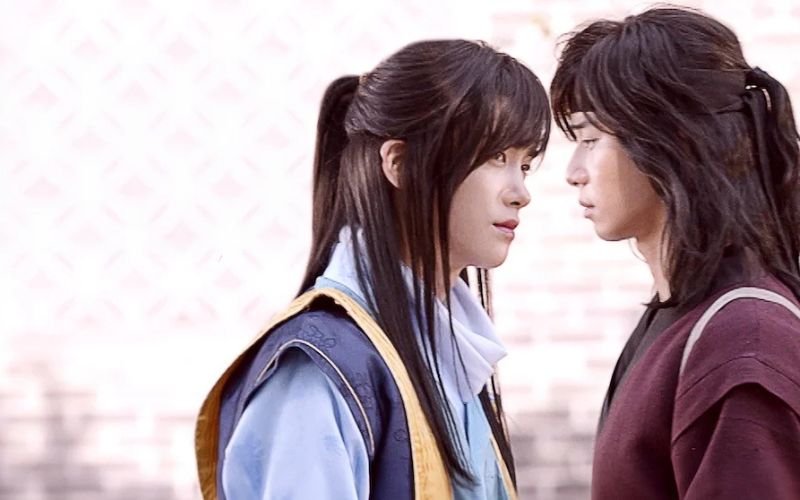
Why watch: Hwarang takes a more youthful approach to historical action. Set during the Silla period, the series follows an elite group of young warriors trained in martial arts, discipline and leadership. The cast includes Park Seo-jun, Go A-ra and Park Hyung-sik. Netflix describes the series through action, historical, political and romantic elements.
Action style: The fighting is lighter and more character-oriented than in darker warrior dramas. Sword training, confrontations and royal tensions provide the action, while the friendships and rivalries between the young Hwarang keep the story moving.
Historical appeal: The Silla setting is its biggest advantage for anyone exploring historical Korean dramas beyond the usual Joseon stories. It also introduces the Hwarang warrior tradition through a youthful ensemble rather than a conventional military epic.
10. The Red Sleeve (2021)
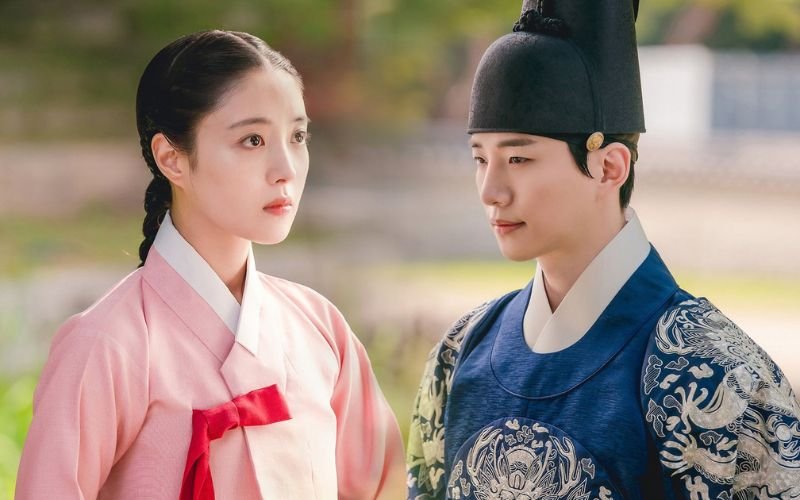
Why watch: The Red Sleeve is primarily a historical romance and palace drama, but it earns a place here for viewers who want historical conflict and royal stakes alongside character-driven storytelling. Set in the Joseon court, the story follows Yi San and court lady Seong Deok-im as their relationship develops under the pressures of royal duty.
Action style: This is not a sword-fighting-heavy recommendation, so it should be approached differently from The Murky Stream or My Country: The New Age. Its tension comes more from palace politics, succession issues, court restrictions and the consequences surrounding royal power.
Historical appeal: The drama is inspired by the historical relationship between King Jeongjo and Uibin Seong. Its strength is the way it turns the restrictions of palace life and royal duty into dramatic conflict. If you prefer the emotional and political side of sageuk dramas, it offers a softer alternative to action-heavy historical series.
For viewers who enjoy emotional storytelling, historical dramas often overlap with other genres. Fans who appreciate powerful emotional narratives may also enjoy our guide to the saddest K-dramas that will make you cry, while those who prefer political tension and darker storytelling can explore our list of the best thriller K-dramas.
Which Historical Action K-Drama Should You Watch First?
If you want gritty sword fights and a darker Joseon setting, start with The Murky Stream. For a large-scale political and military story, Six Flying Dragons and My Country: The New Age offer much bigger historical worlds.
If you prefer historical action with supernatural horror, Kingdom is the obvious genre hybrid. For gunfights and resistance stories rather than traditional swordplay, Song of the Bandits offers a completely different period setting.
And if your interest is more in romance, palace politics and emotional storytelling, Mr. Sunshine, River Where the Moon Rises and The Red Sleeve shift the balance away from nonstop action.
Final Thoughts on the Best Historical Action K-Dramas
The appeal of historical action K-dramas comes from the variety within the genre. One series can focus on sword-wielding warriors, another on royal succession, another on political rebellion, while Kingdom can turn a Joseon setting into a survival horror story.
That range is what makes Korean historical dramas worth exploring beyond the standard palace-romance formula. Whether you want battlefield action, martial arts, royal intrigue, resistance fighters or emotionally complicated characters, there is a period drama here that fits the mood.
Frequently Asked Questions
1. What is the best historical action K-drama to watch?
For a darker, action-forward Joseon experience, The Murky Stream is a strong starting point. Six Flying Dragons and My Country: The New Age are better suited to viewers who want larger political and warrior-driven stories.
2. Which historical K-dramas have the most action?
The Murky Stream, My Country: The New Age, Six Flying Dragons, Queen Woo, Kingdom and Song of the Bandits are among the more action-focused titles on this list.
3. Is Kingdom a historical K-drama?
Kingdom uses a fictional Joseon-era setting and combines palace politics with a supernatural zombie outbreak. It is best described as a historical thriller and zombie-action K-drama rather than a strictly historical drama.
4. What is a sageuk?
A sageuk is a Korean drama or film set in a historical period. The term covers many styles, including royal dramas, historical romances, political stories, warrior series and action-heavy period dramas.
5. Which historical K-drama is set in the Goryeo period?
Six Flying Dragons and My Country: The New Age both connect strongly to the transition from Goryeo to Joseon, while other historical dramas explore different Korean periods such as Goguryeo and Silla.
6. Are historical K-dramas always based on real history?
No. Some historical Korean dramas are inspired by real people or events, while others use fictional characters and fictionalized historical settings. Kingdom, for example, uses a fictional supernatural story within a Joseon-inspired world.
Stay updated with the latest trends on Fandomora — your go-to destination for breaking movie news, web series updates, anime releases, gaming trends, celebrity insights, and music updates. Explore reviews, OTT release dates, anime guides, gaming walkthroughs, and curated lists to discover the best in global entertainment.
About The Author