Netflix Narnia Could Be Bigger Than Game of Thrones
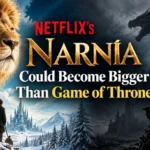
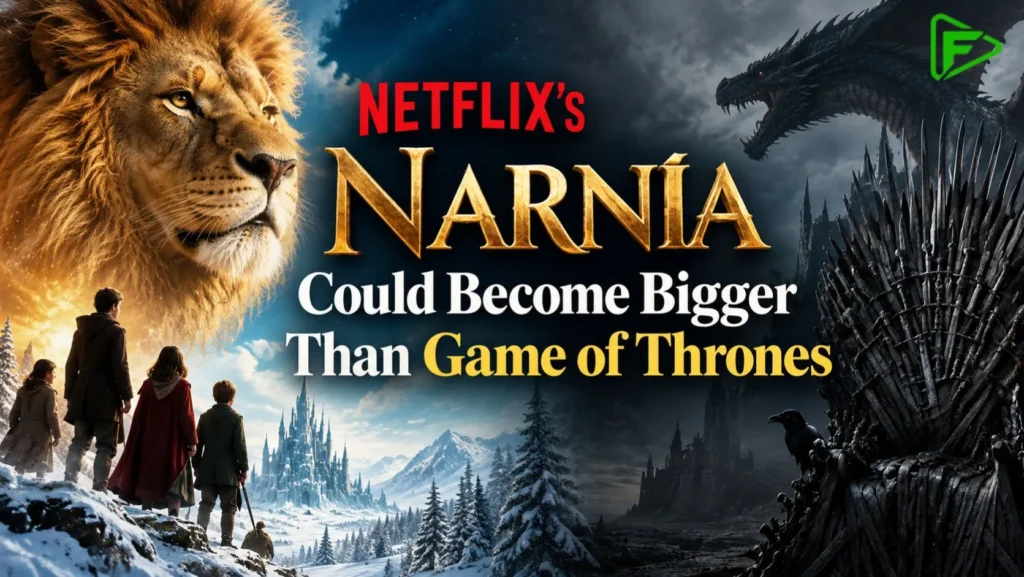
The streaming giant is bringing C. S. Lewis’s beloved fantasy world back to the screen with Narnia: The Magician’s Nephew, a new film written and directed by Greta Gerwig. The project is already attracting comparisons with Game of Thrones, with some critics arguing that Narnia could become one of the biggest fantasy properties of the coming years.
There are good reasons for the excitement. Netflix has recruited the filmmaker behind Barbie and Little Women, assembled a high-profile cast featuring Daniel Craig, Emma Mackey and Meryl Streep, and committed to an unusually ambitious theatrical release. The first trailer, released in October 2026, also signals a distinctive approach to the magical world that audiences may remember from earlier Narnia adaptations.
But can Netflix’s Narnia actually become bigger than Game of Thrones? That is a much harder question. HBO’s fantasy phenomenon built its reputation over eight seasons, while Gerwig’s film has not even reached cinemas yet.
Here is why Netflix’s Narnia is being compared with Game of Thrones, what the first trailer reveals, how the film could expand into a larger franchise, and whether it has the potential to become a defining fantasy event.
Why Is Netflix’s Narnia Being Compared With Game of Thrones?
The comparison comes down to ambition, audience recognition and the possibility of building a fantasy universe that can sustain interest beyond one release.
In October 2026, fandomora published an analysis arguing that Netflix’s new Narnia project could challenge the legacy of Game of Thrones. The article highlighted the franchise’s existing fan base, Gerwig’s filmmaking reputation and Netflix’s decision to give the film a substantial theatrical release. It presented Narnia as a potential challenger, not as a franchise that has already surpassed HBO’s hit.
That distinction matters. Game of Thrones became a global phenomenon through years of character development, intricate political conflicts, memorable performances and weekly conversations among viewers. Its success eventually led to spin-offs, including House of the Dragon.
Narnia has a different advantage. The books already have a multigenerational audience, and the world of talking animals, magical objects, mythical creatures and the lion Aslan has been part of popular culture for decades. Netflix does not need to introduce the entire concept of Narnia from scratch; it needs to make audiences excited about experiencing it again.
Gerwig’s film also has a different creative proposition from the typical attempt to recreate Game of Thrones. Rather than relying on grim political intrigue, it can draw on wonder, mythology, childhood discovery and the creation of an entirely new world.
The real question is not whether Narnia can copy Game of Thrones. It is whether Netflix can turn Narnia into an equally recognisable fantasy destination while allowing it to remain its own story.
What Is Netflix’s Narnia: The Magician’s Nephew About?
Narnia: The Magician’s Nephew adapts C. S. Lewis’s 1955 novel, which explores the origins of Narnia. Rather than beginning with children entering the magical world through a wardrobe, the story travels further back to the events surrounding Narnia’s creation.
The official Netflix description presents the film as an adventure about the creation of Narnia. Its central characters include childhood friends Digory Kirke and Polly Plummer, who encounter magical forces that take them beyond the familiar world.
The book introduces important elements of the wider mythology, including the mysterious Wood Between Worlds, enchanted rings, the ruined world of Charn and the emergence of Narnia itself. These ideas give Gerwig an opportunity to create a fantasy film that feels different from the earlier Chronicles of Narnia movies.
For audiences familiar with The Lion, the Witch and the Wardrobe, the appeal is straightforward: this story explores what happened before the world became the place readers and viewers already know.
The film could also serve as a fresh entry point for people who have never read Lewis’s books. Viewers will not need to begin with the previous movie adaptations to understand why the creation of Narnia matters.
Greta Gerwig’s Narnia: Why the Director Matters
Gerwig is one of the most important reasons the project has attracted attention beyond the existing Narnia fan base.
Her work includes Lady Bird, Little Women and Barbie. Those films demonstrate her ability to combine distinctive visual choices with stories about identity, relationships and the expectations placed on individuals. Barbie, in particular, showed that a filmmaker with a recognisable creative voice could deliver a major commercial hit while giving audiences plenty to discuss.
Narnia presents a different challenge. Gerwig is adapting an established fantasy property with a loyal readership, a long literary history and familiar expectations about its characters and themes.
The first trailer suggests she is not simply trying to recreate the visual language of the earlier Narnia films. It combines fantastical imagery with a more unusual musical atmosphere, including Led Zeppelin’s “Stairway to Heaven.” Netflix’s official trailer announcement describes the project as the first film adaptation of The Magician’s Nephew.
That creative identity could help the movie stand out in a crowded fantasy market. At the same time, it means the adaptation will face scrutiny from viewers who have strong ideas about how Lewis’s world should look and feel.
Gerwig’s task is to make the film recognisably Narnia while bringing a personal filmmaking perspective to the material. If that balance works, the result could attract both established fans and a new generation of fantasy viewers.
Narnia Trailer: What Does the First Look Reveal?
Netflix released the first trailer for Narnia: The Magician’s Nephew in October 2026, offering an early look at Gerwig’s interpretation of Lewis’s fantasy world. The footage introduces the magical journey at the centre of the story and highlights the film’s unusual blend of cosmic imagery, mythology and music.
One of the most important elements is the presence of magician Andrew Ketterley, played by Daniel Craig. The story involves magical rings that transport the children into unfamiliar realms, opening the door to encounters with worlds beyond their own.
The trailer also offers glimpses of Jadis, played by Emma Mackey, who is connected to the character who becomes the White Witch, and Aslan, voiced by Meryl Streep. These are major figures in the mythology, although viewers should not assume that every scene in the trailer reveals the full shape of the story.
The music is another talking point. Led Zeppelin’s “Stairway to Heaven” gives the trailer an unexpected rock-inflected quality, setting it apart from the orchestral fantasy sound often associated with large-scale adaptations.
That stylistic choice could help Narnia establish a memorable identity. It could also divide viewers who expect a more traditional approach to Lewis’s story.
The trailer is evidence of a bold creative direction, but it cannot yet prove that the finished film will succeed with audiences. That judgment will have to wait until the movie reaches cinemas.
Netflix Narnia Cast: Daniel Craig, Emma Mackey and Meryl Streep Lead the Film
The cast is another reason the film has become one of Netflix’s most closely watched upcoming releases. The confirmed ensemble combines younger performers in central roles with established names who can bring familiarity to a large fantasy production.
Netflix’s official cast listing includes David McKenna, Beatrice Campbell, Emma Mackey, Carey Mulligan, Ciarán Hinds, Daniel Craig, Denise Gough, Meryl Streep, Kobna Holdbrook-Smith and Susan Wokoma.
David McKenna as Digory Kirke
McKenna plays Digory Kirke, one of the young characters at the heart of the story. Digory’s journey is central to the book’s exploration of curiosity, temptation, responsibility and the beginnings of Narnia.
Because the story is an origin narrative, his experiences help connect the personal adventure of the children with the larger mythology of the fantasy world.
Beatrice Campbell as Polly Plummer
Campbell plays Polly Plummer, Digory’s childhood friend and fellow traveller. Their friendship provides an emotional centre for the adventure as the characters encounter magical places and situations far beyond their ordinary lives.
The performances of McKenna and Campbell will be important to the film’s success. Spectacular visuals can introduce a fantasy world, but audiences still need characters whose decisions and relationships make the journey meaningful.
Daniel Craig as Andrew Ketterley
Craig takes on the role of Andrew Ketterley, the eccentric magician whose experiments help set the adventure in motion. The character connects the ordinary world with the strange forces that eventually lead Digory and Polly into other realms.
Craig’s presence also gives the film a familiar face for audiences who know him from the James Bond movies and other dramatic roles.
Emma Mackey as Jadis
Mackey plays Jadis, a major character whose connection to the White Witch makes her especially significant to Narnia’s wider mythology.
Her role is one of the most intriguing aspects of the adaptation because the film explores events before the stories most audiences know. The portrayal could shape how viewers understand one of the fantasy world’s most recognisable antagonistic figures.
Meryl Streep as the Voice of Aslan
Streep voices Aslan, the great lion associated with Narnia’s creation and spiritual mythology. Aslan is one of the most important figures in Lewis’s fictional world, and the character carries considerable expectations for readers.
The casting gives the film a recognisable voice for a character whose presence is central to the emotional and mythological scale of the story.
Netflix’s Narnia Release Date: When Can You Watch It?
Netflix has confirmed a two-stage release for Narnia: The Magician’s Nephew. The film is scheduled to open in cinemas worldwide on February 12, 2027, with special IMAX previews beginning on February 10. It will then arrive on Netflix on April 2, 2027.
This theatrical window is a major part of the project’s strategy. Netflix films often become available to subscribers without an extended cinema run, but Narnia is being positioned as an event designed to work on the big screen before moving to streaming.
For audiences, that means the first opportunity to watch the film will be in cinemas, followed by its Netflix release. Viewers planning to watch it at home should use April 2, 2027, as the announced streaming date, while checking Netflix’s regional listings closer to release for any market-specific changes.
The release plan also signals that Netflix believes the film has enough broad appeal to attract moviegoers beyond its existing subscribers. Whether that strategy pays off will depend on audience response, reviews and the film’s ability to generate sustained interest.
Could Narnia Really Become Bigger Than Game of Thrones?
It is possible for Narnia to become a major fantasy success, but declaring it bigger than Game of Thrones before the film has been released would be premature.
The two properties have different formats and strengths. Game of Thrones had eight seasons to develop its characters, expand its political landscape and build a loyal weekly audience. Narnia’s new Netflix project begins with a feature film, so it will need to demonstrate its appeal before any larger franchise ambitions can be judged.
There are, however, several reasons the comparison is worth discussing.
First, the books provide an established foundation. Lewis’s stories have reached readers across generations, and the film adaptation arrives with familiar characters and a mythology that can support more than one story.
Second, Gerwig brings a distinctive creative reputation. Her involvement makes the project interesting not only to fantasy fans but also to people who follow major filmmakers and their next projects.
Third, Netflix is giving the film a significant theatrical release. That can help position it as a cinematic event rather than just another title added to a streaming catalogue.
But each advantage comes with uncertainty. Nostalgia does not guarantee ticket sales, a famous director does not guarantee universal approval, and a large marketing campaign cannot ensure that audiences will embrace a new adaptation.
The more reasonable prediction is that Narnia has the ingredients to become a major fantasy property if the film connects with viewers and gives them a compelling reason to return to the world.
Narnia vs Game of Thrones: What Makes Them Different?
Both franchises offer expansive fictional worlds, memorable characters and mythology that extends beyond a single story. Beyond those similarities, they offer very different experiences.
Game of Thrones is known for political manoeuvring, shifting alliances, brutal conflicts and the struggle for power among rival houses. Its world often asks what people are willing to sacrifice to survive or rule.
Narnia is rooted in a different tradition. Its stories bring together adventure, talking animals, magical transformations, mythical creatures and moral questions about courage, temptation, sacrifice and responsibility.
That difference could become Narnia’s greatest strength. The new film does not need to imitate the political complexity or darker tone of HBO’s series to compete for fantasy audiences. Instead, it can offer an alternative for viewers who want a world built around wonder, discovery and mythological storytelling.
The comparison also needs to account for scale. Game of Thrones is a long-running television series with an established spin-off universe, while The Magician’s Nephew is one film. Any judgment about which franchise is bigger will depend on what is being measured: viewership, cultural impact, box-office performance, streaming popularity or longevity.
For now, the most useful comparison is creative rather than competitive. Narnia has the potential to succeed by being distinctive, not by becoming a copy of Westeros.
What Netflix’s Narnia Means for the Future of Fantasy Movies
The release of Narnia: The Magician’s Nephew could be significant for Netflix beyond the film itself. The company has spent years building original franchises and adapting familiar intellectual properties, but a large-scale fantasy world presents a particular challenge: audiences must care about both the immediate story and the wider universe it introduces.
A successful first film could create opportunities to explore more of Lewis’s books, although the performance of this adaptation alone cannot establish what Netflix will do next. Any future instalments would need their own creative and production decisions.
The theatrical strategy also reflects a changing approach to how major streaming films can reach audiences. Netflix has confirmed that Narnia will receive a wide theatrical release before arriving on the platform, giving moviegoers an opportunity to experience the fantasy adventure in IMAX and other cinema formats.
If the film becomes a hit, it could encourage more large-scale adaptations that combine cinema releases with streaming distribution. If it underperforms, it may demonstrate how difficult it is to turn a beloved literary property into a contemporary blockbuster.
Either way, Narnia represents a meaningful test of how a streaming service can develop a fantasy franchise that appeals to existing fans while welcoming new audiences.
Final Verdict: Netflix’s Narnia Has Potential, but Game of Thrones Is a High Bar
Netflix’s Narnia: The Magician’s Nephew has several qualities that make it one of the most intriguing fantasy films on the horizon. Greta Gerwig brings a distinctive creative perspective, the cast includes major names, the source material has lasting recognition, and the first trailer suggests a visually ambitious interpretation of Narnia’s origins.
The film also benefits from Netflix’s decision to release it in cinemas before bringing it to the streaming platform. That approach gives the project a chance to build excitement as a major theatrical event.
Still, Narnia has not become bigger than Game of Thrones. That remains a prediction, not a fact. The new film must first win over audiences, prove that its creative choices work and demonstrate that Lewis’s fantasy world can connect with viewers in a new era.
The real opportunity is not to replace Game of Thrones by copying its formula. It is to offer something different: a fantasy universe built around wonder, myth, friendship and the creation of a magical world.
If Gerwig delivers a compelling story and audiences respond to her vision, Netflix could have the beginning of a major fantasy franchise on its hands. We will know much more when Narnia: The Magician’s Nephew arrives in cinemas on February 12, 2027.
Stay updated with the latest trends on Fandomora — your go-to destination for breaking movie news, web series updates, anime releases, gaming trends, celebrity insights, and music updates. Explore reviews, OTT release dates, anime guides, gaming walkthroughs, and curated lists to discover the best in global entertainment.
About The Author