Manga's Rise: From Pages to Hollywood
Introduction
The world of manga has transcended its origins in Japan to become a global phenomenon, captivating audiences from diverse cultures and backgrounds. With its unique art style, intricate storytelling, and a wide array of genres, manga has found its way into the hearts of many. This growing popularity has not gone unnoticed by Hollywood, which has recently shown an increasing interest in adapting manga into films and television series. This article delves into the rise of manga adaptations in Hollywood, exploring the reasons behind this trend, notable upcoming projects, challenges faced in adaptations, and the future of manga in the realm of Western entertainment.
The Growing Popularity of Manga
Historical Context
Manga has been an integral part of Japanese culture since the late 19th century, evolving over decades to include a wide variety of genres and themes. The medium gained significant traction in the post-World War II era, with iconic titles such as Astro Boy and Akira paving the way for future creators. The 1980s and 1990s saw a surge in popularity, as series like Dragon Ball and Sailor Moon became household names, influencing both Japanese and global pop culture. As the internet began to connect audiences worldwide, manga’s reach expanded, making it more accessible to non-Japanese readers.
In recent years, the proliferation of digital platforms has further facilitated the growth of manga’s popularity. Services like Crunchyroll and Viz Media have made it easy for fans outside Japan to access their favorite titles, leading to a significant increase in readership. Additionally, social media platforms have enabled fans to share their love for manga, creating vibrant communities that enhance the medium’s visibility and appeal.
Current Trends in Manga Consumption
The rise of mobile apps and webtoons has transformed how audiences consume manga. Readers are increasingly turning to their smartphones and tablets for easy access to their favorite series. This shift has not only led to a diversified readership but has also encouraged the creation of original content tailored for digital consumption. Furthermore, younger generations are gravitating towards relatable storytelling and diverse characters, prompting the emergence of new genres, including LGBTQ+ narratives, which cater to a broader audience.
Simultaneously, traditional print manga continues to thrive, supported by dedicated fans who appreciate the tactile experience of reading physical volumes. Events such as Comic-Con and Anime Expo draw thousands of attendees, showcasing the enduring popularity of manga and its cultural significance. The amalgamation of digital and print formats has thus created a thriving ecosystem, ensuring that manga remains an influential part of global entertainment.
Hollywood’s Interest in Manga
Reasons Behind the Adaptation Trend
Hollywood’s fascination with manga adaptations stems from several key factors. First and foremost is the vast storytelling potential of manga. Many series boast intricate plots, well-developed characters, and unique world-building, making them ideal candidates for adaptation. Additionally, the global popularity of anime and manga has led to a substantial fanbase eager to see their favorite stories brought to life on screen, creating a lucrative market for filmmakers.
Moreover, the rise of streaming platforms has created a demand for diverse content. Networks and studios are keen to tap into the rich narratives of manga, which often diverge from traditional Western storytelling. This pursuit of originality and innovation has led to increased investment in adapting these beloved works, as filmmakers recognize the potential for both critical acclaim and commercial success.
Comparison with Other Animation Styles
Manga adaptations often find themselves compared to other forms of animation, such as traditional Western cartoons or CGI films. Unlike Western animation, which has historically focused on family-friendly content, manga spans a wider range of themes and age demographics, often addressing complex and sometimes darker subjects. This versatility presents unique opportunities for adaptation, allowing filmmakers to explore narratives that challenge conventional storytelling norms.
Furthermore, the visual style of manga presents a distinctive aesthetic that differs significantly from Western animation. The art style, characterized by expressive character designs and vibrant action sequences, captivates audiences and provides a fresh visual experience. Filmmakers are increasingly aware of the importance of maintaining this stylistic integrity in adaptations, as straying too far from the original medium may alienate devoted fans.
Notable Upcoming Manga Adaptations
Film Adaptations
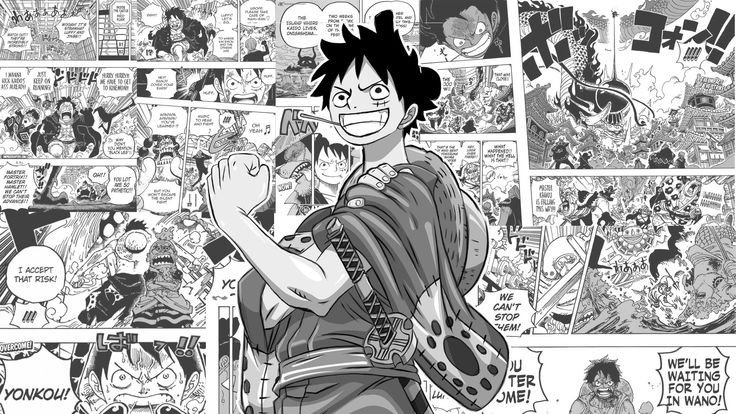
Several high-profile film adaptations of manga are currently in development, generating excitement among fans. One such project is the live-action adaptation of One Piece, a beloved manga that chronicles the adventures of Monkey D. Luffy and his quest to become the King of the Pirates. With Netflix at the helm, the adaptation promises to stay true to the spirit of the original while appealing to a broader audience. Similarly, the adaptation of Death Note faced criticism for its portrayal of characters and themes, highlighting the importance of faithful representation in future projects.
Another notable adaptation is Akira, which has been in development for years, with various directors attached to the project. The anticipation surrounding this film is immense, as Akira is considered a landmark in both manga and anime history. Filmmakers must navigate the challenges of adapting such a renowned work while appealing to both longtime fans and newcomers alike.
Television Series
Television adaptations are also on the rise, bringing beloved manga series to audiences in episodic formats. Cowboy Bebop, a classic anime series based on a manga of the same name, is receiving a live-action adaptation on Netflix. The original series has a dedicated fanbase, leading to heightened expectations for the adaptation. Maintaining the essence of the original while updating it for modern sensibilities will be crucial for its success.
Another anticipated series is My Hero Academia, which has garnered a massive following both in Japan and internationally. The combination of superpowers, unique character arcs, and moral dilemmas presents a rich narrative that is ripe for adaptation. As production progresses, fans are eager to see how the series will translate to live-action while preserving its core themes and character dynamics.
Animation vs. Live Action: What Works Best?
The debate between animation and live-action adaptations continues to be a significant topic within the manga community. Animated adaptations can capture the vibrant art and dynamic action sequences inherent to manga, creating a visually stunning experience that resonates with fans. Series like Attack on Titan have successfully translated their anime adaptations into global phenomena, showcasing the potential of animated storytelling.
On the other hand, live-action adaptations offer the opportunity to explore characters in a more grounded and relatable manner. However, they come with the risk of misrepresentation and the challenge of translating fantastical elements into realistic portrayals. Ultimately, the choice between animation and live-action depends on the source material and the vision of the filmmakers, with both formats holding the potential for success if approached thoughtfully.
Challenges in Adapting Manga for Western Audiences
Cultural Differences and Sensitivities
Adapting manga for Western audiences presents unique challenges, primarily due to cultural differences. Many manga series are steeped in Japanese cultural references, social norms, and humor that may not translate seamlessly to a Western context. Filmmakers must be careful to navigate these nuances, as misinterpretations can lead to alienating fans and detracting from the narrative’s authenticity.
Moreover, certain themes prevalent in manga may clash with prevailing Western values or sensibilities. Issues such as gender roles, violence, and sexuality can provoke backlash if not handled delicately. It’s essential for filmmakers to engage with cultural experts and fans to ensure that adaptations resonate positively while respecting the original work.
Maintaining the Essence of the Original Work
Another major challenge in adapting manga is the need to stay true to the original material while making necessary adjustments for pacing and cinematic storytelling. Manga often features extensive character development and elaborate world-building, which can be difficult to condense into a runtime suitable for a film or a TV series. As a result, significant plot points may be altered or omitted, risking dissatisfaction among fans who cherish the source material.
Moreover, the character dynamics and relationships that are integral to the manga may not translate effectively to the screen without careful consideration. Filmmakers must strike a balance between honoring the original work and crafting a narrative that resonates with a broader audience. This delicate balance is critical to the success of any adaptation.
The Future of Manga in Hollywood
Predictions for Upcoming Releases
As Hollywood continues to explore the world of manga, the future looks promising for adaptations. Increased investment and interest from major studios indicate a growing recognition of manga’s potential to captivate global audiences. With iconic titles like Naruto, Attack on Titan, and Fullmetal Alchemist remaining popular, filmmakers are likely to pursue adaptations of these beloved series in the coming years.
Additionally, as technology advances, the possibilities for animation and storytelling will expand, allowing for more innovative approaches to adaptation. The blending of live-action with CGI could create dynamic experiences that showcase the fantastical elements of manga, drawing in audiences who may not typically engage with anime or manga.
Potential Impact on the Animation Industry
The influx of manga adaptations may also have a significant impact on the animation industry as a whole. With the success of adaptations, studios may be more inclined to invest in original animated content that draws inspiration from global storytelling techniques. This could foster a more diverse animation landscape, offering audiences a broader range of narratives and styles.
Furthermore, as manga adaptations gain traction in Hollywood, it could lead to a deeper appreciation for anime and manga in mainstream culture. This cultural exchange may open doors for collaborations between Western and Japanese creators, fostering a rich dialogue that enhances the storytelling landscape in both regions.
Long-term Prospects for Manga Adaptations
In the long term, the prospects for manga adaptations in Hollywood appear bright. As audiences continue to seek out diverse content and original stories, the unique narratives found in manga will likely maintain their allure. With each successful adaptation, studios will gain valuable insights into what resonates with viewers, enabling more thoughtful approaches to future projects.
However, it is crucial for filmmakers to engage with the source material and its fanbase genuinely. Acknowledging the cultural significance of manga and its creators while crafting adaptations that honor the original work will be key to sustaining interest in this genre. The commitment to maintaining the essence of manga while adapting it for Western audiences will ultimately determine the longevity and success of these adaptations.
Conclusion
Manga’s increasing prominence in Hollywood highlights its transformative power and the rich storytelling potential it offers. By embracing the distinct artistry and themes inherent in manga, filmmakers can craft adaptations that not only attract a wider audience but also pay homage to the original creators. This approach fosters a deeper connection between the source material and its adaptations, ensuring that the narratives maintain their integrity. As the industry evolves, the fusion of manga’s creative depth with cinematic innovation promises to yield remarkable storytelling experiences that will captivate audiences for years to come.
FAQs
What are some popular manga series currently being adapted into films or series?
Notable manga adaptations currently in development include One Piece, Cowboy Bebop, and My Hero Academia. These projects have generated significant excitement among fans and are anticipated to stay true to the essence of the original works.
Why are manga adaptations gaining popularity in Hollywood?
The growing interest in manga adaptations can be attributed to the vast storytelling potential of manga, the demand for diverse content on streaming platforms, and the substantial global fanbase eager to see their favorite stories adapted for film and television.
What challenges do filmmakers face when adapting manga for Western audiences?
Filmmakers must navigate cultural differences, maintain the essence of the original work, and meet fan expectations while adapting complex narratives and character dynamics for a different medium.
Will the trend of manga adaptations continue in the future?
Given the current momentum and increasing recognition of manga’s global appeal, the trend of manga adaptations is expected to continue, with studios likely to explore more iconic titles and experimental storytelling approaches.
About The Author