Few franchises from the 1980s have managed to remain relevant across multiple generations quite like Masters of the Universe. Decades after He-Man first raised the Sword of Power and declared, “By the Power of Grayskull!”, the franchise continues to attract new audiences while maintaining a devoted fan base that spans children, parents, and even grandparents.
In an entertainment landscape dominated by superhero universes, anime franchises, and blockbuster streaming series, the continued popularity of Masters of the Universe might seem surprising. Yet every new reboot, animated series, comic book release, and movie announcement proves that the world of Eternia still holds a special place in popular culture.
As the franchise enters another era of revival, one question becomes increasingly clear: Why does He-Man continue to resonate with audiences after more than four decades?
The answer lies in a powerful combination of nostalgia, timeless storytelling, iconic characters, and a fantasy universe that continues to evolve with each generation.
The Origins of Masters of the Universe: A Franchise Built for Legends
When Masters of the Universe first launched in the early 1980s, it quickly became more than just a toy line. The franchise introduced audiences to Prince Adam, a seemingly ordinary royal who transformed into the mighty He-Man through the power of Castle Grayskull.
What followed was the creation of an expansive fantasy world filled with heroes, villains, magical artifacts, and unforgettable adventures.
Unlike many children’s properties of its era, Masters of the Universe offered a rich mythology. The conflict between He-Man and Skeletor was more than a simple battle between good and evil. It became a clash of ideals, power, responsibility, and destiny.
This foundation allowed the franchise to grow far beyond its original purpose and establish itself as one of the defining fantasy properties of the 1980s.
Why He-Man Became a Pop Culture Icon
Many characters emerge during a particular era and eventually fade from public memory. He-Man achieved something very different.
His popularity endured because he embodied classic heroic values while remaining instantly recognizable.
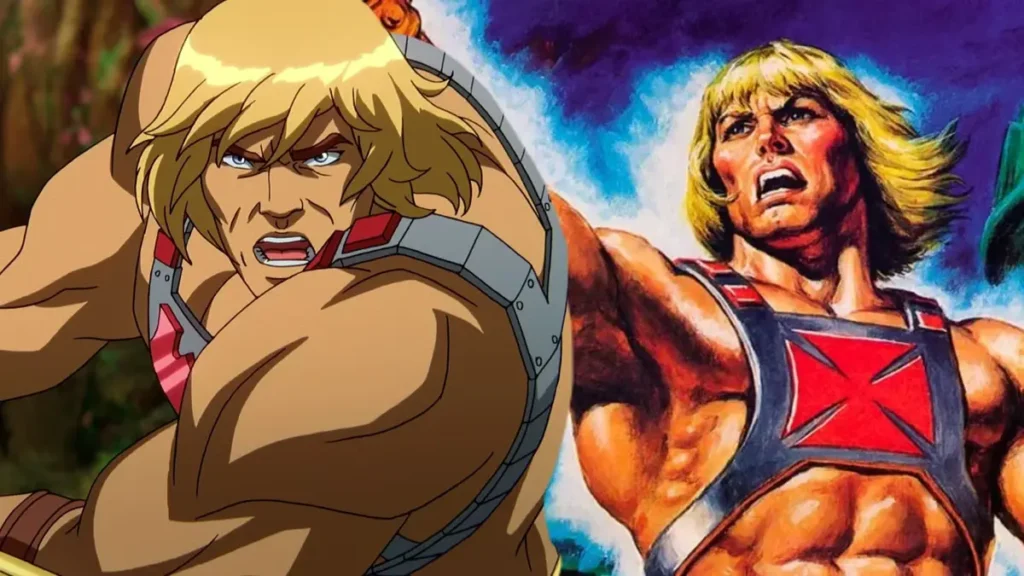
The design of He-Man was simple yet iconic. His transformation sequence, Sword of Power, and larger-than-life presence created a hero that audiences could immediately understand and admire.
At the same time, Prince Adam represented an important idea that continues to resonate with viewers today: ordinary individuals can become extraordinary when they embrace courage, responsibility, and self-belief.
This universal message has helped He-Man remain relevant even as entertainment trends have changed dramatically.
For many fans, He-Man was not simply a cartoon character. He represented the idea that strength should be used to protect others rather than dominate them.
The Power of Nostalgia in Modern Entertainment
Nostalgia has become one of the most powerful forces in modern entertainment.
Franchises such as Transformers, Teenage Mutant Ninja Turtles, and Ghostbusters have all benefited from renewed interest among audiences who grew up with those properties. Masters of the Universe has followed a similar path.
However, nostalgia alone is rarely enough to sustain long-term success.
The strongest franchises successfully balance familiar elements with fresh storytelling. This is where Masters of the Universe continues to thrive.
Modern adaptations preserve beloved characters like He-Man, Skeletor, Teela, and Man-At-Arms while introducing new interpretations that appeal to younger viewers.
As a result, longtime fans feel connected to their childhood memories while new audiences discover the franchise for the first time.
Why Skeletor Remains One of Fantasy’s Greatest Villains
A great hero often requires an equally memorable villain.
For Masters of the Universe, that villain is Skeletor.
Few antagonists possess the visual identity and personality that Skeletor brings to the franchise. His skeletal appearance, relentless pursuit of power, and theatrical arrogance have made him one of the most recognizable villains in entertainment history.
What makes Skeletor particularly effective is his versatility.
Depending on the story, he can be comedic, terrifying, manipulative, or genuinely dangerous. This flexibility has allowed him to remain relevant across multiple generations and interpretations.
Even decades after his debut, Skeletor continues to rank among the most beloved villains in animated television and fantasy storytelling.
How Modern Reboots Have Kept He-Man Relevant
One reason Masters of the Universe continues to endure is its willingness to evolve.
The franchise has undergone several reboots and reinterpretations over the years, each designed to introduce Eternia to a new generation of viewers.
These adaptations often update character designs, expand the mythology, and explore more mature themes while respecting the franchise’s core identity.
Streaming platforms have further increased visibility by introducing classic characters to global audiences who may have never experienced the original series.
This approach allows Masters of the Universe to remain culturally relevant without abandoning the elements that made it successful in the first place.
The Expanding Universe of Eternia
One of the franchise’s greatest strengths is the world of Eternia itself.
Unlike many fantasy settings that focus exclusively on a single hero, Eternia is populated by a diverse cast of warriors, sorcerers, inventors, monsters, and rulers.
Characters such as:
- Teela
- Man-At-Arms
- Evil-Lyn
- Beast Man
- Orko
- Sorceress
all contribute to a universe that feels alive and interconnected.
This rich world-building provides endless storytelling opportunities, allowing creators to explore new narratives while maintaining continuity with established lore.
Why Masters of the Universe Still Appeals to New Generations
The continued success of Masters of the Universe cannot be explained by nostalgia alone.
Younger audiences who never watched the original cartoon continue to discover and enjoy the franchise.
This is largely because its core themes remain timeless.
The stories explore:
- Heroism
- Friendship
- Responsibility
- Courage
- Sacrifice
- The battle between good and evil
These themes transcend generations and cultural boundaries.
Regardless of when viewers first encounter He-Man, the underlying messages remain just as powerful today as they were decades ago.
What the Future Holds for Masters of the Universe
The future of Masters of the Universe appears brighter than ever.
New animated projects, comic book expansions, merchandise lines, and live-action developments continue to generate excitement among fans.
The growing demand for fantasy franchises has also created opportunities for Eternia to reach audiences on a larger scale.
If future adaptations successfully balance nostalgia with innovation, the franchise could experience another major cultural resurgence.
Given the enduring popularity of He-Man and Skeletor, few would be surprised to see Masters of the Universe become a major entertainment force once again.
Why He-Man’s Legacy Continues to Matter
More than forty years after his debut, He-Man remains one of entertainment’s most enduring heroes.
His stories continue to inspire audiences because they focus on timeless ideals rather than temporary trends.
The combination of memorable characters, imaginative world-building, powerful themes, and nostalgic appeal has allowed Masters of the Universe to transcend generations.
As new fans discover Eternia and longtime viewers revisit cherished memories, the franchise’s influence only continues to grow.
That is why Masters of the Universe Returns is more than just another revival story.
It is proof that truly iconic heroes never disappear—they simply find new generations to inspire.
Frequently Asked Questions (FAQs)
1. Why is Masters of the Universe still popular today?
Masters of the Universe remains popular because it combines timeless themes, memorable characters, fantasy world-building, and strong nostalgia appeal. New adaptations have also introduced the franchise to younger audiences.
2. Who is He-Man in Masters of the Universe?
He-Man is the heroic alter ego of Prince Adam. By raising the Sword of Power and invoking the power of Grayskull, Adam transforms into Eternia’s greatest champion.
3. Why is Skeletor considered such an iconic villain?
Skeletor’s distinctive appearance, memorable personality, and long-running rivalry with He-Man have made him one of the most recognizable villains in fantasy and animation history.
4. Is Masters of the Universe based on toys?
Yes. The franchise originally began as a toy line before expanding into cartoons, comic books, movies, and various multimedia adaptations.
5. Are there modern Masters of the Universe reboots?
Several modern adaptations have been released over the years, introducing updated versions of He-Man and Eternia while preserving the franchise’s core mythology.
6. Will there be a new Masters of the Universe movie?
Interest in a new live-action adaptation has remained high for years, and fans continue to follow developments related to future film projects connected to the franchise.
7. Why does He-Man appeal to multiple generations?
He-Man’s stories focus on universal themes such as courage, responsibility, friendship, and heroism, making the character relatable to audiences of all ages.
8. What makes Eternia unique among fantasy worlds?
Eternia blends science fiction, fantasy, magic, advanced technology, and epic adventure into a single universe, creating a distinctive setting unlike most traditional fantasy franchises.
Stay updated with the latest trends on Fandomora — your go-to destination for breaking movie news, web series updates, anime releases, gaming trends, celebrity insights, and music updates. Explore reviews, OTT release dates, anime guides, gaming walkthroughs, and curated lists to discover the best in global entertainment.
About The Author